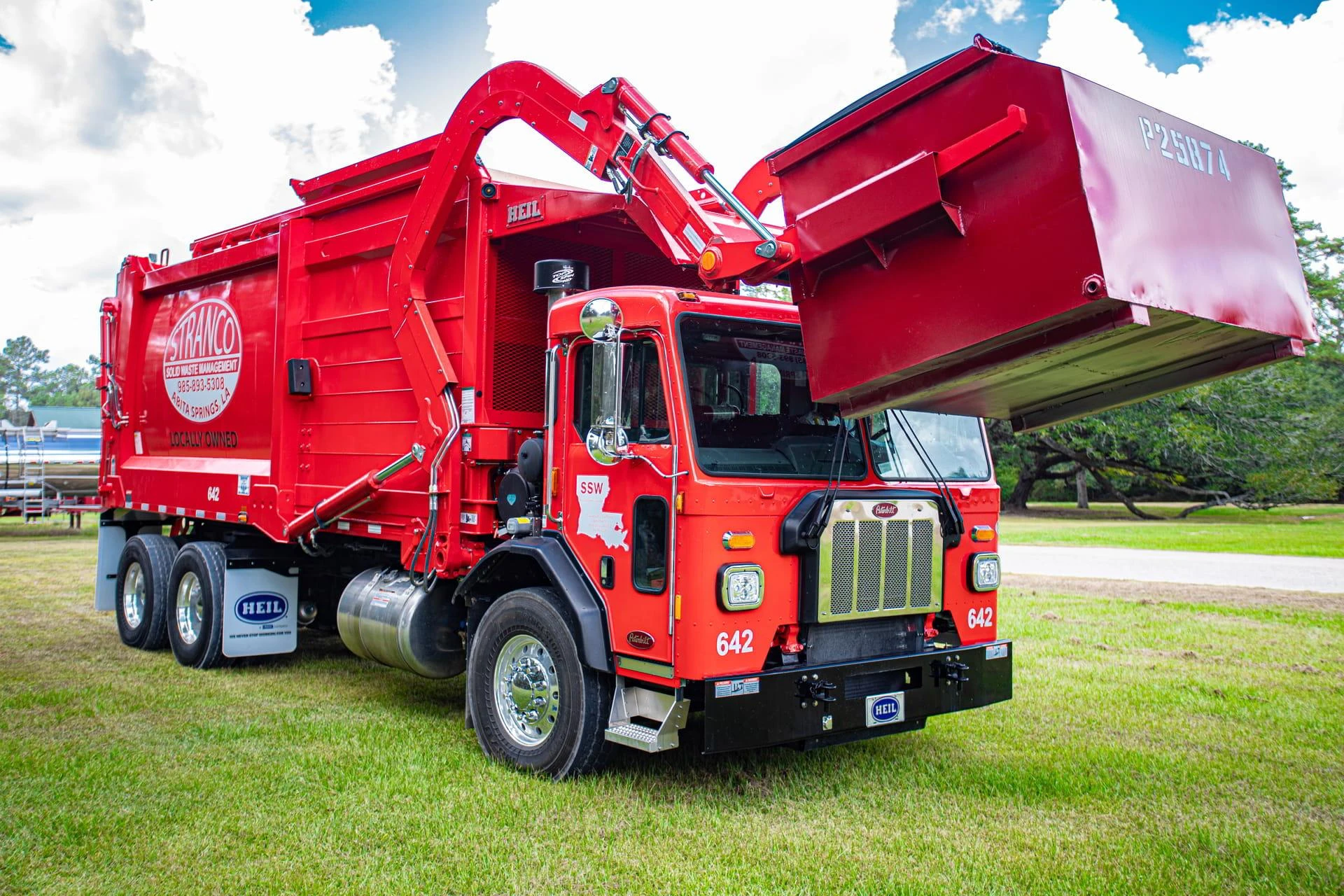

Managing debris efficiently becomes critical during large-scale projects, whether it involves a property overhaul, major renovation, or routine commercial cleanout. Having access to a well-planned dumpster rental service helps remove uncertainty and keeps work moving without unnecessary delays. Stranco Solid Waste Management, which serves the Hammond area, provides waste solutions designed to match the needs of homeowners, contractors, and business operators. A company representative said, “Choosing the right container size and scheduling delivery early can make a noticeable difference, especially on projects where timing and organization directly affect how smoothly everything comes together.”
1. Project-Specific Dumpsters Prevent Job Site Disruption
The right container size keeps job sites cleaner and easier to manage. Crews need more than a place to toss debris. They need space and easy access. Roll-off and front-load dumpsters handle everything from cabinets to flooring scraps. Quick swap-outs prevent overflow and keep work moving.
- Roll-off models handle bulky items like sheetrock and fixtures
- Options work for both short jobs and longer projects
- On-time delivery keeps work from getting delayed
2. 30-Yard Containers Handle High-Volume Waste
Large projects create heavy waste. A 30-yard dumpster gives enough space for materials like shingles, bricks, and concrete. Crews can rely on one large bin instead of several smaller ones. That makes cleanup faster and easier. Fewer pickups also mean fewer interruptions.
- Holds heavy materials without overloading
- Reduces the need for multiple containers
- Keeps demolition work moving smoothly
3. Commercial Rentals Adapt to Business Needs
Businesses create different types of waste. A good dumpster rental service adjusts to those needs. Flexible pickup times help prevent overflow. This is especially important during busy hours. Clean surroundings also improve customer experience and reduce pest risks.
- Pickup schedules match business hours
- Helps prevent overflow during peak times
- Keeps properties clean and presentable
4. Residential Containers Support Projects of Every Size
Home projects can create more waste than expected. Smaller dumpsters fit well in driveways and still hold a lot. They work well for weekend cleanouts or small renovations. Homeowners can keep things organized without making multiple trips.
- Handles items like furniture, yard waste, and debris
- Fits in standard driveways without taking too much space
- Pickup can be timed with project progress
5. Front-Load Units Offer Everyday Convenience
Some properties need steady waste removal. Front-load dumpsters work well for businesses and shared spaces. They are compact but still strong. Easy access makes daily use simple for employees and tenants.
- Available in different sizes for flexibility
- Frequent pickups prevent overflow
- Designed for easy daily use
6. Roll-Off Dumpsters Work for Large Jobs
Big projects often change as they go. Roll-off dumpsters offer flexibility. They can be delivered, swapped, and moved as needed. This helps keep work on schedule. Fewer trips to haul waste also save time and money.
- Accepts mixed materials like wood and metal
- Helps prevent buildup that slows progress
- Can be repositioned if needed
7. Custom Pickup Plans Keep Businesses Organized
Businesses need reliable waste schedules. A custom plan helps match real needs. Regular pickups keep spaces clean and safe. It also helps avoid fines or complaints. Adjustments can be made if waste levels increase.
- Flexible schedules like weekly or monthly
- Clean containers improve appearance
- Monitoring helps prevent overflow issues
Wider Service Reach Supports More Locations
Reliable service matters in both busy and remote areas. Quick delivery and pickup keep projects moving. Local dispatch helps speed things up. This is especially helpful during peak seasons or urgent cleanups.
Before Renting, Know Your Waste and Timeline
Choosing the right dumpster depends on your project. Think about space, time, and materials. Heavy items like concrete add weight fast. Placement also matters for access and safety. Planning ahead avoids delays and extra costs.
- Teams help match the right size to your project
- Drivers place containers carefully to avoid damage
- Rules for waste types are explained clearly
Common Questions About Dumpster Rentals
1. Which size works for a home project?
A 10- or 20-yard dumpster works well for most cleanouts and small renovations.
2. How often should businesses schedule pickups?
It depends on waste levels. Restaurants may need weekly service, while offices may need less frequent pickups.
3. Can yard waste go in a dumpster?
Yes, most yard debris is allowed unless local rules restrict it.
4. What items are not allowed?
Hazardous items like paint, oil, and batteries are usually not accepted.
5. How do I pick the right size?
Explain your project details to the provider. They can recommend a size based on your needs.
































Sign in to leave a comment.