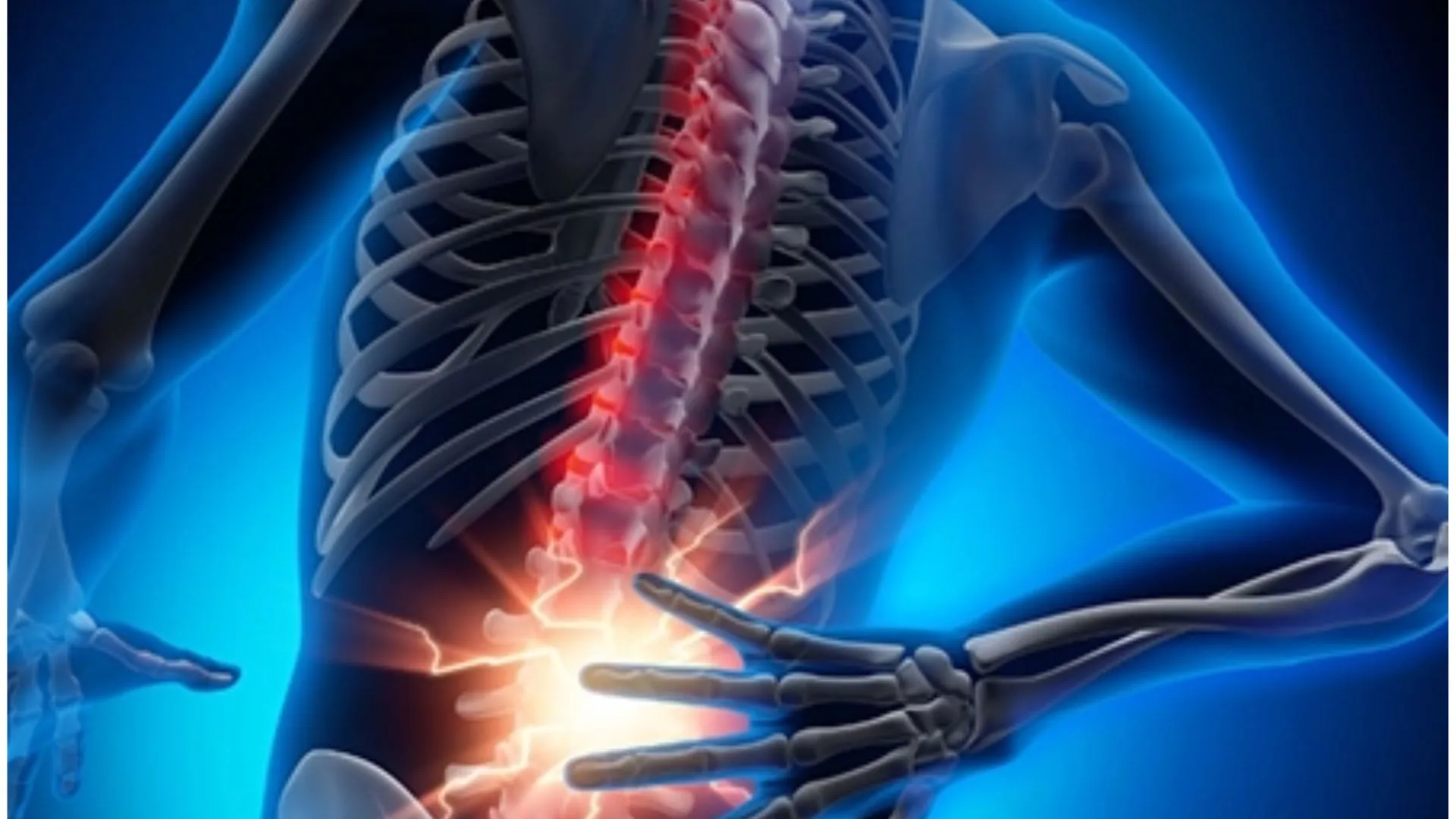

Learn about 7 common spine disorders treated by neurosurgeons, including symptoms, causes, and treatment options for long term spinal health.
7 Spine Disorders Commonly Seen by Neurosurgeons
Back and neck problems affect millions of people every year. While some conditions improve with rest and physical therapy, others require specialized medical attention. Neurosurgeons are trained to diagnose and treat complex disorders affecting the spine, spinal cord, and surrounding nerves. Early diagnosis is important because untreated spinal conditions can lead to chronic pain, mobility issues, and even nerve damage.
Understanding the most common spine disorders can help you recognize symptoms and seek appropriate care when needed. This guide explores seven spine conditions frequently seen by neurosurgeons and explains the available treatment options.
1. Spondylolisthesis
Spondylolisthesis occurs when one vertebra slips forward over the vertebra below it. This condition can develop due to aging, spinal degeneration, injury, or congenital abnormalities. Symptoms often include lower back pain, stiffness, leg pain, and numbness.
A comprehensive spondylolisthesis treatment guide typically begins with conservative approaches such as physical therapy, activity modification, anti inflammatory medications, and targeted exercises. In more severe cases where spinal instability or nerve compression occurs, surgical intervention may be recommended.
2. Herniated Disc
A herniated disc develops when the soft inner material of a spinal disc pushes through its outer layer. This can place pressure on nearby nerves, causing pain, tingling, weakness, or numbness.
Patients commonly experience symptoms in the lower back or neck, depending on the location of the affected disc. Treatment often includes physical therapy, pain management techniques, and in some cases minimally invasive surgery to relieve nerve compression.
3. Spinal Stenosis
Spinal stenosis refers to the narrowing of spaces within the spinal canal. As the canal narrows, pressure can build on the spinal cord and nerves.
Common symptoms include back pain, leg pain, numbness, weakness, and difficulty walking. Age related changes are one of the most frequent causes. Neurosurgeons may recommend physical therapy, injections, or surgical decompression when symptoms significantly impact daily life.
4. Degenerative Disc Disease
As people age, spinal discs naturally lose hydration and flexibility. This process can lead to degenerative disc disease, a condition that may cause chronic neck or back pain.
Although degeneration is a normal part of aging, some individuals experience severe discomfort and reduced mobility. Treatment focuses on pain management, strengthening exercises, posture improvement, and surgical options when conservative methods fail.
5. Sciatica
Sciatica is not a disease itself but a symptom caused by irritation or compression of the sciatic nerve. The pain typically radiates from the lower back through the buttocks and down one leg.
Patients often describe sharp, burning, or shooting pain. Depending on the underlying cause, treatment may include physical therapy, medication, lifestyle modifications, or surgical procedures to address nerve compression.
6. Spinal Tumors
Spinal tumors can develop within the spinal cord, surrounding tissues, or vertebral bones. These tumors may be benign or malignant.
Symptoms often include persistent back pain, weakness, numbness, balance problems, and neurological changes. Early diagnosis is essential. Neurosurgeons use advanced imaging techniques and personalized treatment plans that may involve surgery, radiation therapy, or other specialized treatments.
7. Scoliosis
Scoliosis is characterized by an abnormal sideways curvature of the spine. While it often develops during adolescence, adults can also experience scoliosis due to degenerative changes.
Mild cases may require observation and monitoring, while more significant curvatures can cause pain, posture issues, and breathing difficulties. Treatment options range from physical therapy and bracing to corrective spinal surgery.
When Should You See a Neurosurgeon?
Many people experience occasional back pain, but certain symptoms warrant evaluation by a spine specialist. Consider seeking medical attention if you experience:
- Persistent neck or back pain
- Numbness or tingling in the arms or legs
- Muscle weakness
- Difficulty walking or maintaining balance
- Loss of bladder or bowel control
- Pain that does not improve with conservative treatment
Early diagnosis can help prevent complications and improve long term outcomes.
Conclusion
Spinal disorders can significantly affect quality of life, but many conditions are manageable with timely diagnosis and appropriate treatment. From herniated discs and spinal stenosis to scoliosis and spondylolisthesis, neurosurgeons play a vital role in helping patients regain mobility and reduce pain.
If you are experiencing persistent spine related symptoms, consulting a qualified specialist can help identify the cause and determine the most effective treatment plan. Understanding common spinal conditions is the first step toward protecting your spinal health and maintaining an active lifestyle.
Frequently Asked Questions
What is the most common spine condition treated by neurosurgeons?
Herniated discs, spinal stenosis, and spondylolisthesis are among the most frequently treated spine disorders seen by neurosurgeons.
When is surgery necessary for spondylolisthesis?
Surgery may be recommended when severe pain, spinal instability, nerve compression, or loss of function does not respond to conservative treatments.
Can spinal stenosis be treated without surgery?
Yes. Many patients benefit from physical therapy, medications, lifestyle modifications, and spinal injections before surgery is considered.
What symptoms indicate a serious spine problem?
Persistent pain, numbness, weakness, difficulty walking, and loss of bladder or bowel control should be evaluated by a medical professional promptly.
How can I maintain a healthy spine?
Regular exercise, proper posture, maintaining a healthy weight, and seeking early treatment for spine related symptoms can help support long term spinal health.






























Sign in to leave a comment.