A data quality dashboard should do more than show a few pass-or-fail checks. For data teams, it needs to make it easy to see where problems are happening, which datasets need attention, and whether data quality is improving over time.
If you're looking for tools that can bring data quality checks, monitoring, and reporting into one place, these are seven options worth exploring.
1. FirstEigen DataBuck
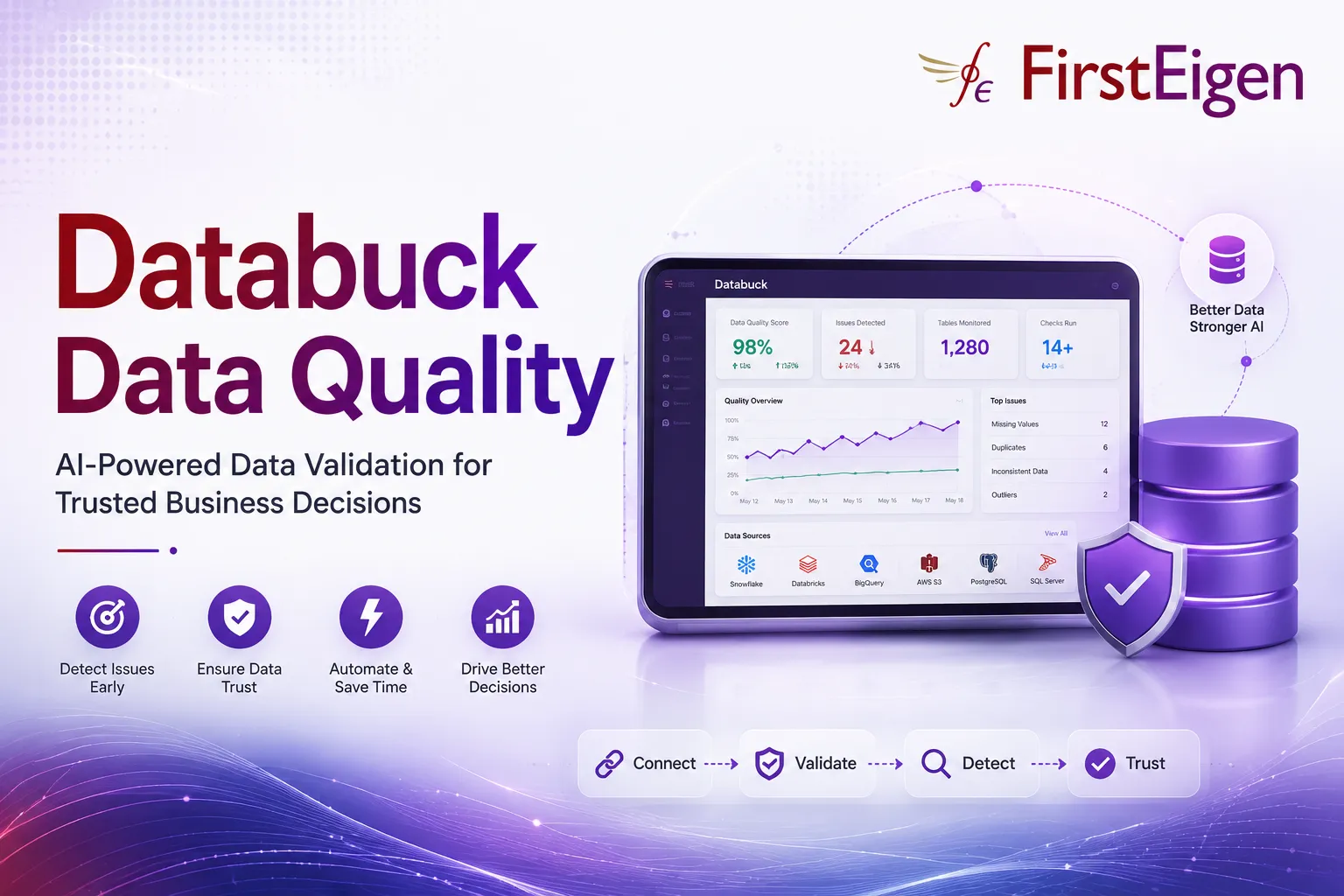
FirstEigen DataBuck is an AI-powered data quality management software designed to help enterprises monitor, validate, and improve data quality at scale. Rather than relying only on manually created rules, DataBuck uses AI to automatically discover data quality and trustability checks and recommend suitable thresholds.
Its dashboard gives teams a central view of data quality results, helping them identify anomalies, track issues, and understand the health of their datasets. DataBuck can also perform multiple types of data checks and validate large volumes of data across different stages of the data pipeline.
This makes it useful for organizations that want more than a reporting dashboard. DataBuck connects data quality monitoring with validation and intelligent detection, helping teams find problems earlier and spend less time manually investigating datasets.
2. Great Expectations
Great Expectations is one of the well-known open-source libraries which help engineers to define and validate data expectations. One can develop validations for various aspects like null values, data type, range, and other expectations.
The output of these validation processes can be used to develop reports and dashboards; thus, Great Expectations can be considered a flexible choice for engineering teams.
3. Soda
Soda has data quality checking along with data observability and monitoring. Users can create checks, monitor data sets, and monitor any problems regarding data quality from one interface.
It can serve as a helpful choice for those who need data quality monitoring to be integrated with their data pipelines.
4. Monte Carlo
Monte Carlo focuses on data observability and provides visibility into data health, freshness, lineage, and incidents. Its platform helps teams understand when something goes wrong and investigate the potential impact.
For organizations managing complex data environments, its dashboards can provide a broader view of data reliability and pipeline health.
5. Ataccama ONE
Data Quality, Governance, Observability, and Data Management are all integrated in Ataccama ONE. Profiling and Monitoring are two features provided by this tool that might help determine the state of the enterprise data.
This tool would be useful to large enterprises that are seeking data quality features in a comprehensive data management approach.
6. Informatica Data Quality
Informatica provides data profiling, cleansing, monitoring, and quality management capabilities. Its reporting and dashboard features can help organizations track data quality across different enterprise systems.
It can be a suitable choice for businesses that already use Informatica as part of their broader data management environment.
7. Talend Data Quality
Talend provides data integration and data quality capabilities that allow teams to profile, cleanse, validate, and monitor data. Its tools can help organizations bring quality information together and identify areas that need attention.
It is worth considering businesses that want data quality capabilities alongside data integration and pipeline management.
What Should a Data Quality Dashboard Include?
A useful dashboard should make data quality easy to understand without forcing teams to dig through multiple reports. Depending on your requirements, look for capabilities such as:
- Data quality scores
- Completeness and accuracy checks
- Duplicate detection
- Data freshness monitoring
- Anomaly detection
- Pipeline-level validation
- Issue tracking
- Historical quality trends
- Alerts and notifications
- Root-cause analysis
The most useful dashboards don't just tell teams that data has a problem. They help them understand where the problem is, how serious it is, and what needs attention first.
Why FirstEigen DataBuck Is Worth Considering
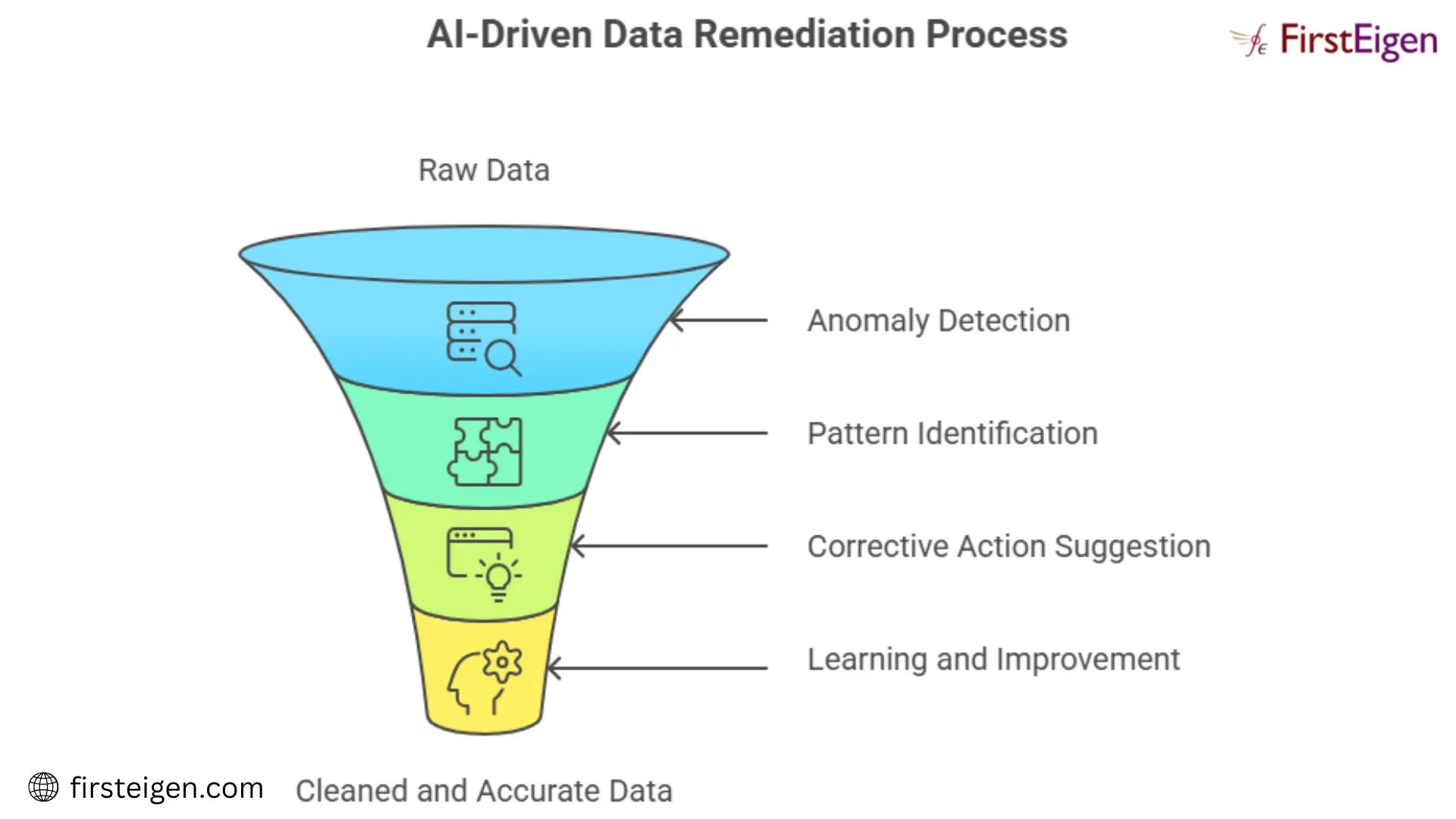
FirstEigen DataBuck takes a broader approach than simply putting data quality results on a dashboard. Its AI-powered data quality management services combines automated validation, data quality checks, anomaly detection, and monitoring to give teams a clearer picture of their data health.
This can be especially valuable for enterprises managing large datasets across multiple pipelines and platforms. Instead of spending hours building and maintaining individual checks, teams can use DataBuck's AI-driven approach to discover quality checks, monitor results, and focus their attention on issues that need action.
If your goal is to create a data quality dashboard that supports not only visibility but also continuous validation and proactive issue detection, FirstEigen DataBuck is worth exploring.




























Sign in to leave a comment.