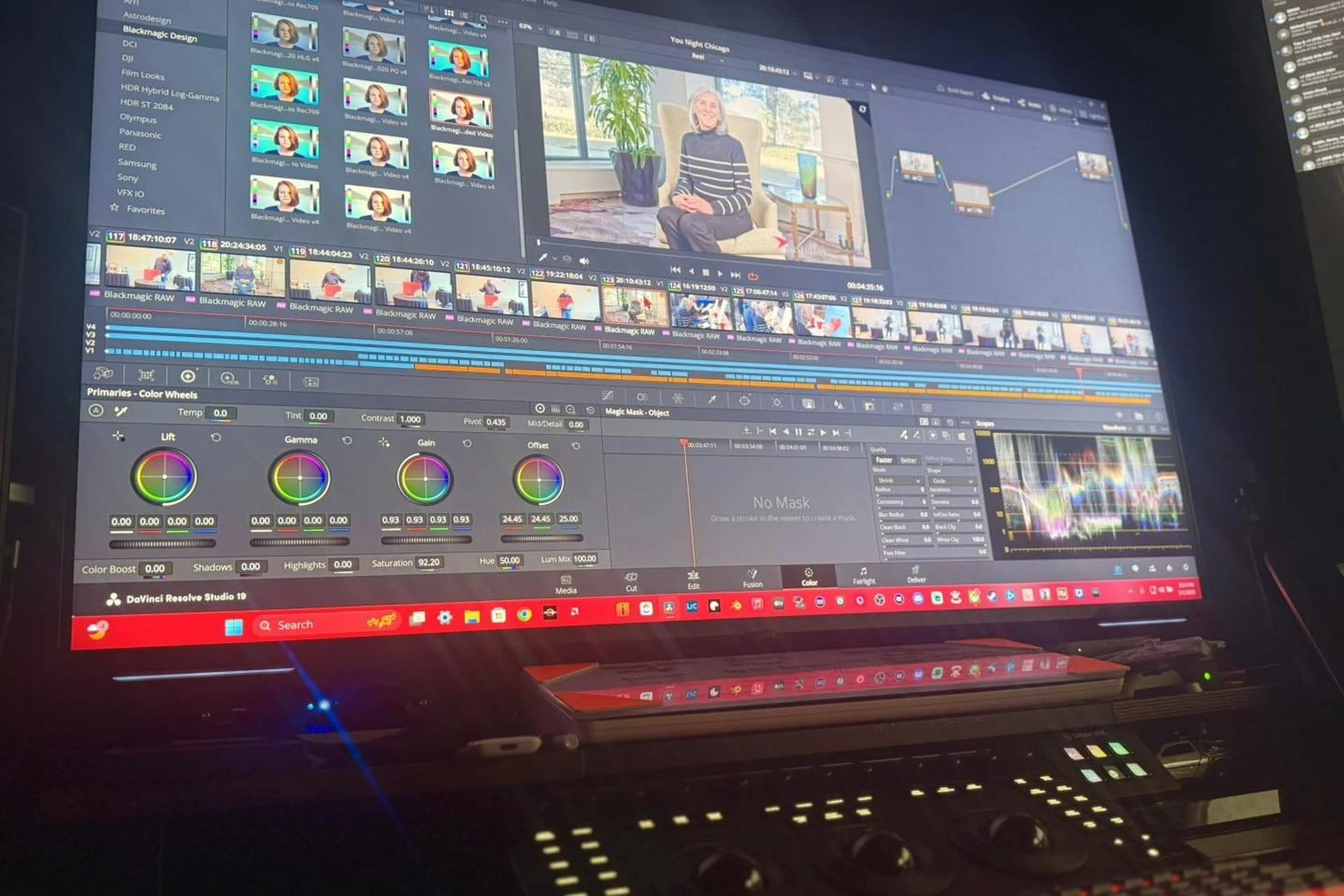

Every effective marketing video stems from a production cycle that’s more extensive than it initially appears. Developing ideas, managing moving parts, and making time-sensitive decisions all contribute to the final result. Video production, while inherently visual, hinges on coordination, time management, and technical accuracy. Many marketing teams discover too late that overlooking these essential steps undermines campaign outcomes.
1. Budget Planning Must Be Comprehensive
Production budgets often fall short because critical components get overlooked during early planning. Beyond crew fees and equipment rental, there are recurring expenses related to music rights, set design, overtime labor, and specialized software. According to the U.S. Bureau of Labor Statistics, editors earn around $70,980 annually, while camera operators earn about $68,810. Those baseline costs can quickly escalate when unexpected factors arise during shooting.
- Extended rentals or late returns may incur additional equipment fees
- Licensing costs for soundtracks or third-party visuals can vary by region and platform
- Unexpected on-location costs may include parking, power supply, and access permits
2. Clear Concepts Improve Production Quality
Strong creative direction prevents confusion and enhances efficiency throughout production. Vague outlines or incomplete scripts often cause delays and force improvisation on set. Pre-production serves as the blueprint for tone, structure, and visual identity. Locking in brand messaging and layout choices early ensures the team can focus on execution without second-guessing creative intent.
- Scene breakdowns allow departments to prepare lighting, wardrobe, and props in detail
- Unified style references help guide editing, color treatment, and design choices
- Defined calls-to-action at the script level make editing faster and messaging sharper
3. Timelines Require Built-In Flexibility
Most production timelines need buffers for real-world delays. Even straightforward shoots involve multiple takes, technical resets, and scheduling conflicts. A commercial production day can run between $25,000 and $60,000 depending on talent and location, and any setback increases that cost. Post-production, including color correction and graphics, often runs longer than expected due to revision rounds and formatting demands.
- Lighting changes between scenes often require repositioning equipment and retesting
- Inclement weather or traffic disruptions impact arrival times and delivery logistics
- Time-stamped edit review cycles must be factored into overall delivery planning
4. Pre-Production Planning Drives Efficiency
Thorough preparation before the cameras roll prevents downtime and cuts down on wasted effort. Pre-production tasks include verifying location conditions, creating precise shot lists, coordinating schedules, and rehearsing scripted elements. Teams that prepare diligently are more likely to finish on time and within budget. When possible, visiting shooting locations at the same time of day as the scheduled shoot helps anticipate lighting or sound issues.
- Production schedules benefit from dry runs with core personnel to identify gaps
- Scene logistics such as elevator use or ambient noise often affect camera angles
- Organizing backups—whether gear or wardrobe—adds insurance against production stalls
5. Audio and Lighting Influence Viewer Engagement
High-quality sound and consistent lighting contribute more to viewer retention than dramatic visuals alone. Distracting background noise or uneven lighting undermines message delivery and brand perception. Research from Nielsen indicates that audio issues are among the top reasons viewers exit a video prematurely. On-set technicians should be tasked with monitoring inputs in real-time to ensure clarity.
- Natural lighting requires supplemental sources to maintain continuity across takes
- Directional microphones help isolate dialogue from environmental noise
- Audio syncing and ambient noise control improve editing and clarity post-shoot
6. Editing Completes the Communication Process
Editing shapes the narrative structure, maintains pacing, and refines the brand tone. Editors often manage motion graphics, sound balancing, transitions, and platform-specific formatting. The U.S. Bureau of Labor Statistics highlights editing as both a creative and highly technical profession requiring specialized tools and experience. Allocating adequate time for this phase is crucial to accommodate notes, alternate cuts, and versioning.
- Titles and lower thirds must match brand fonts, colors, and hierarchy standards
- Visual pacing should reflect viewer behavior on the intended platform (shorter for social, longer for presentations)
- Multi-language subtitles or voiceovers need space in the edit timeline for seamless integration

7. Direction and Communication Shape Success
Projects without a clear creative lead often suffer from conflicting feedback, slow approvals, and duplicated effort. A centralized review structure with predefined checkpoints reduces delays and keeps the vision consistent. Having a structured creative brief and style guide before the video production begins provides clarity and direction from day one.
- Approval stages should be mapped on the production calendar to avoid bottlenecks
- Defined responsibilities between departments (e.g., creative, strategy, production) ensure smoother collaboration
- Shared cloud storage with version control helps maintain document accuracy and feedback traceability
Key Takeaways From 7 Video Production Realities Marketers Frequently Underestimate
- Budgets should reflect costs beyond filming, including software, location access, and licensing
- Strong creative direction minimizes delays and improves performance on shoot days
- Flexible schedules help absorb technical issues and external delays without derailing progress
- Lighting and audio decisions directly influence user trust and completion rates
- Editing is where messaging, tone, and branding come together across multiple formats
- Detailed pre-production eliminates most preventable on-set interruptions
- Streamlined communication and leadership prevent misalignment and revision overload
Frequently Asked Questions
1. What common costs are missed when planning a video project?
Licensing fees, gear transportation, insurance, and location-related logistics often get overlooked in early budgeting.
2. How far in advance should production teams begin pre-planning?
Three to six weeks provides enough time to secure locations, finalize scripts, and confirm key schedules.
3. Why do editing timelines often extend past initial estimates?
Revisions, platform formatting, graphics, and multi-language support increase complexity in the editing process.
4. What lighting issues commonly affect production quality?
Inconsistent light between indoor and outdoor scenes and sudden changes in natural light during long shoots are major challenges.
5. How can communication be streamlined in multi-department productions?
Appointing a single project lead, setting clear feedback cycles, and centralizing file sharing improve coordination and reduce missteps.































Sign in to leave a comment.