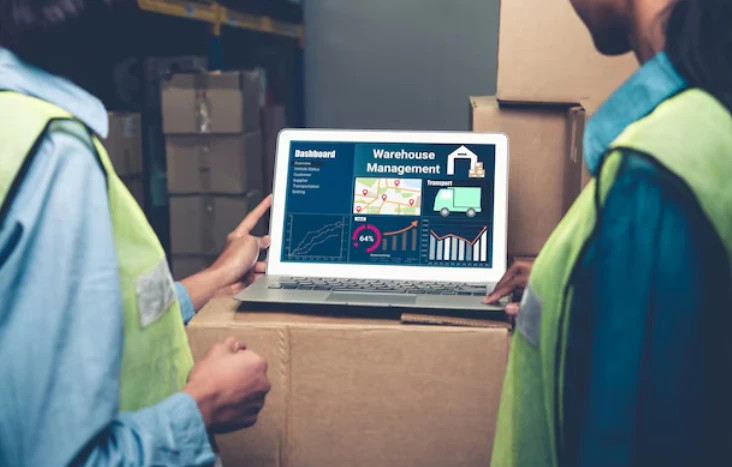

In the world of modern logistics and supply chain management, warehouse efficiency is a game-changer. Warehouses today are not just storage spaces; they’re dynamic hubs where speed, accuracy, and organization determine profitability. That’s where ERP inventory management steps in. For growing businesses, particularly in India, implementing the right inventory management software solutions can streamline operations and increase profitability. Let’s explore the top 7 ways ERP inventory management helps boost warehouse efficiency.
1. Real-Time Inventory Tracking with Advanced Inventory Management Modules
One of the biggest challenges warehouses face is keeping track of stock levels in real-time. With inventory management modules in ERP systems, businesses can track inventory movement from the moment it enters the warehouse until it reaches the customer. This reduces manual errors and stock mismatches.
ERP systems offer automated tracking using barcodes and GPS. These tools instantly update the system with inventory location, quantity, and movement. Employees no longer need to conduct time-consuming manual counts or struggle with missing stock records.
Real-time inventory tracking also ensures faster decision-making. Managers can make accurate procurement decisions, avoid overstocking, and reduce stockouts. Overall, it enhances accuracy, improves accountability, and leads to efficient warehouse operations.
2. Optimized Stock Levels and Reduced Storage Costs through ERP Inventory Management
An efficient warehouse is not the one with the most stock but the one with the right amount of stock. ERP inventory management tools help businesses optimize stock levels based on historical data, demand forecasting, and lead times.
By maintaining optimal inventory levels, companies reduce unnecessary storage costs. Overstocking leads to blocked capital and higher storage expenses, while understocking results in missed sales opportunities. ERP systems balance this by providing reorder alerts and real-time demand analytics.
Moreover, having accurate data reduces the need for emergency restocking and unplanned deliveries. This not only improves vendor relationships but also ensures warehouse space is used efficiently. The result? Lower costs and better space utilization.
3. Improved Warehouse Layout and Order Fulfillment Speed
Warehouse efficiency isn’t just about inventory—layout and organization play a crucial role. ERP systems help managers design optimized warehouse layouts by analyzing product movement, frequency of orders, and space utilization.
With intelligent suggestions from ERP, frequently picked items can be stored near packing areas, reducing travel time for workers. The system also recommends storage locations based on the product category, size, and weight, minimizing clutter and confusion.
Furthermore, faster order fulfillment becomes a reality with guided picking routes, automated order prioritization, and real-time updates. This leads to timely deliveries, happier customers, and enhanced brand reputation—all vital in competitive industries.
4. Seamless Integration with Store Inventory Management Software
Warehouses often work in sync with multiple retail outlets, making store inventory management software integration essential. ERP systems seamlessly connect warehouse stock data with store operations, ensuring inventory consistency across all channels.
For example, if a product sells at a physical store, the ERP automatically updates the warehouse inventory. This prevents double-counting, reduces stock discrepancies, and allows for centralized control of inventory.
With unified systems, decision-makers can analyze stock levels across stores and warehouses to plan transfers, promotions, and replenishments efficiently. It also enables omnichannel selling, giving businesses the flexibility to fulfill online orders using store inventory when needed.
5. Better Demand Forecasting with Inventory Management Software Solutions
ERP-based inventory management software solutions use predictive analytics and machine learning to forecast demand accurately. By analyzing historical trends, seasonal spikes, and market behavior, ERP systems enable proactive inventory planning.
This forecasting ensures that warehouses are prepared for peak demand periods without overstocking. For industries dealing with perishable or seasonal goods, this is particularly important. Accurate forecasting reduces waste and enhances customer satisfaction.
Additionally, demand forecasting allows businesses to negotiate better deals with suppliers, streamline procurement, and avoid last-minute urgencies. It transforms warehouse operations from reactive to strategic, aligning inventory with actual market needs.
6. Accurate Reporting and Data-Driven Decision Making
Data is the backbone of modern warehouse operations. ERP systems provide detailed reports and analytics on every aspect of inventory—from incoming shipments to outgoing orders. These insights help warehouse managers identify bottlenecks and make informed decisions.
Key performance indicators (KPIs) such as inventory turnover ratio, order cycle time, and picking accuracy can be monitored continuously. These metrics help managers fine-tune operations, improve team productivity, and identify areas for automation.
With access to real-time data, businesses can implement continuous improvement strategies. This leads to increased transparency, better compliance, and a culture of accountability—all of which are essential for long-term growth.
7. Simplified Compliance and Documentation for Indian Warehouses
In inventory management software in India, compliance with GST regulations, e-way bills, and taxation norms is non-negotiable. ERP systems are designed to help warehouses manage these legal requirements effortlessly.
Automatic tax calculations, audit-ready reports, and digital documentation reduce paperwork and errors. Warehouses no longer need to maintain separate systems for financial and inventory data, making the entire process more efficient.
For businesses operating across different states or handling exports, the ERP simplifies multi-location inventory management and ensures consistent compliance with local regulations. This makes it easier to scale operations without administrative headaches.
TheERPHub—Your Trusted Partner in Warehouse Efficiency
ERP inventory management is not just about controlling stock; it’s about unlocking warehouse potential. From accurate tracking to streamlined operations, the benefits are wide-ranging. Whether you’re managing a single warehouse or an entire network, the right ERP solution can make all the difference.
TheERPHub offers specialized inventory management software solutions tailored to the unique needs of Indian businesses. With features such as inventory management modules, store inventory management software, and end-to-end integration, we help you take control of your inventory like never before.
Ready to boost your warehouse efficiency? Connect with us today for a personalized demo and see how our powerful ERP inventory management system can transform your operations.
































Sign in to leave a comment.