1. Understanding Mobile ERP Applications in Today’s Business World
In the modern digital landscape, mobile ERP applications are transforming the way businesses operate by offering agility, real-time data access, and seamless communication. These applications enable organizations to connect and coordinate across various departments—whether it’s sales, production, inventory, or finance. Unlike traditional ERP systems, mobile ERP solutions can be accessed via smartphones and tablets, offering on-the-go capabilities and improving decision-making.
With the increasing demand for cloud-based ERP software in India, mobile ERP has become a vital component for businesses seeking to stay competitive. The ability to access data from any location enables employees across different departments to stay updated with the latest operational information. This eliminates miscommunication and delays that often occur in disconnected systems, thereby enhancing overall collaboration.
As businesses grow, especially in the manufacturing sector, the need for integrated systems becomes increasingly pressing. Companies adopting mobile ERP software are finding it easier to align their operational activities with strategic goals, ultimately resulting in a more unified workforce and improved outcomes.
2. Bridging Communication Gaps Across Departments
One of the biggest challenges in any organization is poor communication between departments. For example, sales might not be aware of stock availability, or procurement may be unaware of the current production schedule. Mobile ERP applications resolve these challenges by ensuring that all departments work from the same data source, eliminating communication gaps.
Through real-time updates, alerts, and synchronized dashboards, mobile ERP empowers different teams to collaborate more effectively. When a sales order is placed, the inventory, production, and finance teams are immediately notified. This allows the production team to plan resources, the inventory team to track material availability, and the finance department to process invoices—all in perfect harmony.
Especially in ERP for manufacturing in India, where multiple processes are happening simultaneously, a mobile ERP system ensures that every stakeholder has visibility into operations. This level of transparency fosters accountability and speeds up decision-making, allowing businesses to function like a well-oiled machine.
3. Improving Workflow Efficiency with Real-Time Data
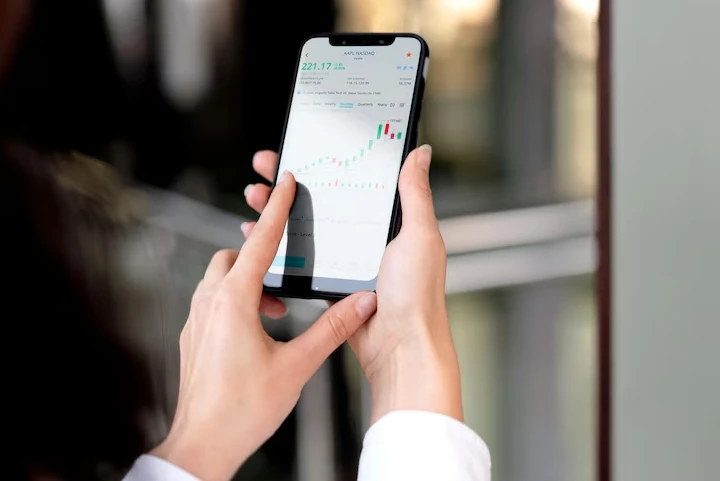
Timely data access is crucial for streamlining workflows. Traditional ERP systems often require users to be physically present at their workstation. However, mobile ERP software has eliminated this limitation by offering instant data access from anywhere, anytime. This not only saves time but also boosts productivity by reducing the dependency on physical infrastructure.
For example, a floor manager in a manufacturing unit can use a mobile ERP app to check equipment status, production metrics, or inventory levels while walking through the plant. Similarly, a sales executive on the move can pull out customer history or pending orders directly from their mobile device. This mobility leads to faster approvals, quicker issue resolution, and more coordinated task execution.
Organizations using cloud-based ERP software in India are leveraging mobile access to optimize workflows. Real-time data ensures that there’s less back-and-forth between departments and fewer bottlenecks, enabling a faster path from planning to execution.
4. Enhancing Decision-Making Through Centralized Insights
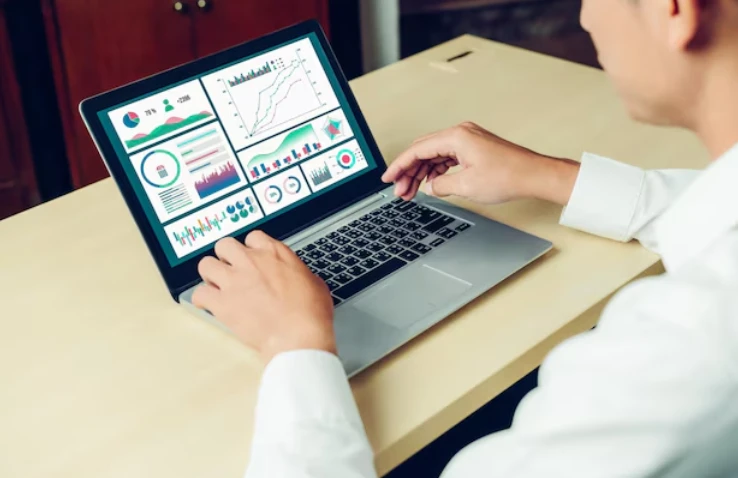
Data-driven decision-making is essential for business growth, and mobile ERP applications provide just that. These tools offer dashboards and analytics that combine data from various departments—be it procurement, HR, finance, or operations—into a unified platform. This centralization ensures that leaders have a 360-degree view of the organization at their fingertips.
By eliminating data silos, mobile ERP allows decision-makers to detect patterns, identify issues early, and capitalize on opportunities. For instance, if sales are dipping in a specific region, the marketing team can immediately collaborate with sales and analyze trends, while finance forecasts the impact on revenue. All of this can happen quickly and collaboratively, thanks to a shared ERP system.
In industries that require precision and agility, such as manufacturing in India, having access to updated, relevant data through mobile ERP software empowers leaders to make smarter, faster decisions. The collaborative nature of mobile ERP ensures that decisions are not only quick but also inclusive and well-informed.
5. Seamless Integration with Business Processes and Tools
One of the key strengths of mobile ERP applications is their ability to integrate seamlessly with existing business tools and processes. Whether it's syncing with CRM platforms, accounting tools, or third-party logistics providers, mobile ERP acts as the central nervous system of the organization.
This integration leads to smoother workflows. For example, when customer orders are placed through an online portal, the ERP system can automatically update inventory, notify production, schedule dispatches, and even generate invoices without any manual intervention. All departments are looped in through automated triggers and alerts, ensuring everyone is aligned.
For companies adopting cloud-based ERP software in India, these integrations not only simplify operations but also reduce errors caused by manual data entry. They make it easier to track KPIs, maintain compliance, and ensure that departments are working cohesively toward shared business goals.
6. Empowering a Mobile Workforce Across All Levels
The rise of remote work and mobile-first operations means that businesses can no longer rely on desktop-only systems. Mobile ERP software empowers employees—be they field staff, managers, or executives—to stay connected with business processes regardless of their physical location.
From accessing reports during client meetings to updating inventory while inspecting warehouses, mobile ERP puts business intelligence in everyone’s pocket. This accessibility empowers every department to take initiative, report issues quickly, and act on insights in real-time.
In sectors like ERP for manufacturing in India, where operations span across multiple plants, warehouses, and remote locations, mobile ERP bridges the geographic divide. It keeps everyone—from factory workers to top executives—on the same page, encouraging a more connected and responsive organizational culture.
Future-Proof Your Collaboration Strategy with TheERPHub
Cross-department collaboration is no longer a luxury—it’s a necessity for growth and efficiency. With mobile ERP applications, businesses can connect people, processes, and data in one unified ecosystem. From improving real-time communication to enhancing workflow efficiency and supporting mobile access, mobile ERP drives a collaborative culture that is responsive, agile, and future-ready.
TheERPHub offers powerful, easy-to-use mobile ERP software designed for Indian businesses across industries, especially those in the manufacturing sector. Whether you’re looking for fully integrated cloud-based ERP software in India or exploring scalable solutions for ERP for manufacturing in India, TheERPHub delivers the tools you need to break silos and unite your teams.
Ready to empower your departments with smarter collaboration? Contact us today and experience the power of connected operations.





















Sign in to leave a comment.