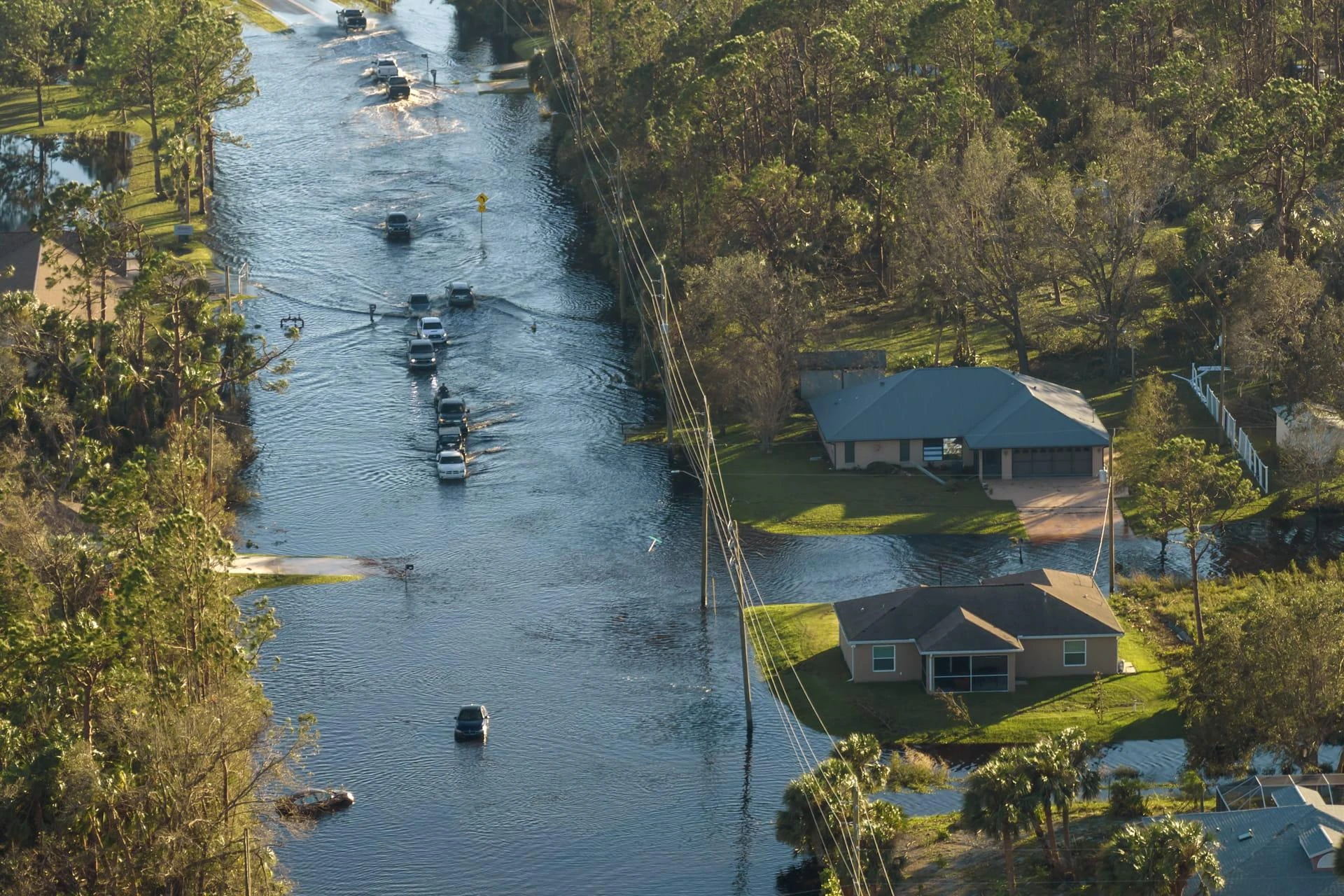

Flood insurance follows a distinctly different rulebook than homeowners insurance, and many policyholders only grasp that reality after water damage becomes unavoidable. Coverage for flooding is shaped by specialized definitions, regulated pricing methods, and structured claims procedures, which can create confusion during already stressful situations. A deeper understanding of why flood insurance works differently than homeowners insurance helps property owners anticipate coverage gaps and limit financial shock. Southern Ambit Insurance, explains that knowing how flood coverage functions before heavy weather arrives allows homeowners to plan calmly instead of reacting under pressure.
Why Flood Insurance Works Differently
Flood insurance works differently than homeowners insurance because it is built around how water behaves across land and structures rather than how damage happens inside a single home. A common real-life example involves extended rainfall overwhelming drainage systems, causing water to slowly spread across multiple properties before entering buildings. That scenario feels unexpected. Industry experience shows flood policies focus on long-term patterns and mapped risk instead of one-off incidents, which reshapes underwriting decisions, premium calculations, and claim evaluations.
- Flood coverage follows standardized national rules rather than individual insurer language
- Homeowners insurance centers on sudden and accidental interior damage
- Claims reviews examine how water accumulated, moved, and spread
1. Federal Flood Insurance Structure
Flood insurance is generally administered through federally guided programs, setting it apart from homeowners insurance sold solely through private carriers. This structure creates uniform coverage rules across states, even though flood exposure can differ widely between neighborhoods and properties. Consistency helps manage widespread disaster losses. Homeowners insurance, in contrast, allows insurers broader freedom to customize coverage terms and optional endorsements.
- Flood policies operate under federally established coverage guidelines
- Claims oversight includes added regulatory review steps
- Private insurers service policies without controlling core rules
2. Flood Damage Definitions
Flood insurance relies on a narrow and carefully defined meaning of flooding that focuses on rising surface water affecting multiple areas. Rain entering through a damaged roof or broken window is handled very differently than water rising from outside the structure. That distinction affects outcomes. Homeowners insurance addresses internal water events, while flood policies respond only when specific conditions are satisfied.
- Flooding requires surface water accumulation
- Damage must involve more than one property or area
- Policy definitions are precise and legally enforced
3. Flood Insurance Coverage Caps
Coverage limits for flood insurance are capped, unlike homeowners insurance policies that often allow higher limits tied to rebuilding costs. These caps exist to control large-scale exposure across thousands of insured properties nationwide. Limits influence repair and rebuilding choices. Homeowners insurance typically offers more flexibility with dwelling limits and supplemental protections.
- Structure and contents limits are nationally set
- Replacement cost options are limited
- Temporary housing expenses are excluded
4. Flood Zone Risk Classification
Flood insurance pricing depends heavily on mapped flood zones developed using historical records and modeling from FEMA. These zones estimate the likelihood of flooding over time and directly influence premiums and lender requirements. Maps change. Homeowners insurance pricing does not depend on flood zone classification in the same way.
- Zones reflect long-term flood probability
- Premiums adjust based on elevation and assessed risk
- Map updates can alter coverage obligations
5. Flood Insurance Waiting Periods
Flood insurance includes mandatory waiting periods before coverage becomes active, a safeguard intended to prevent last-minute purchases ahead of storms. This delay often surprises first-time buyers expecting immediate protection. Timing matters. Homeowners insurance usually activates once a policy is bound.
- Standard waiting periods last several weeks
- Limited exceptions apply in defined situations
- Early planning supports dependable coverage
6. Flood Claims Adjustment Process
Flood claims follow a structured adjustment process that focuses on water depth, duration, and contamination levels. Documentation requirements are detailed and time-sensitive, especially after widespread flooding events. Adjusters evaluate damage carefully. Homeowners insurance claims often progress faster because causes are simpler to verify.
- Early photo documentation supports claim accuracy
- Water lines help confirm flood depth
- Processing timelines vary after major events
7. Mortgage Flood Requirements
Lenders may require flood insurance for properties located in designated high-risk zones, even if flooding has never occurred before. This requirement exists to protect the loan rather than homeowner preference. Compliance is critical. Homeowners insurance remains mandatory for most financed properties.
- Requirements are tied to flood zone maps
- Coverage lapses can trigger force-placed insurance
- Policies must remain active throughout the loan
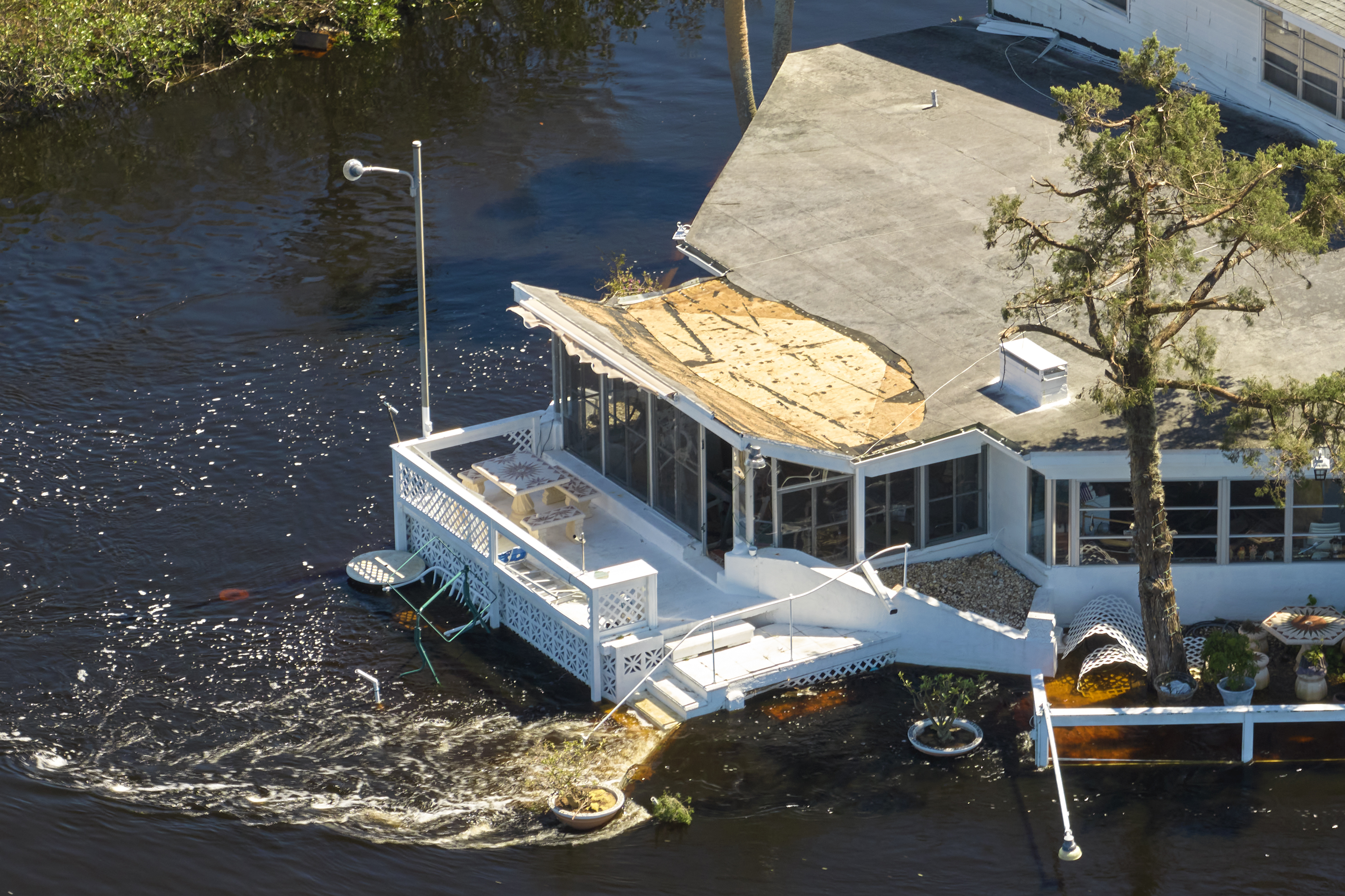
Flood Insurance Differences Key Takeaways
Flood insurance works differently than homeowners insurance because it addresses broad, predictable water risk instead of isolated accidents. There are many misunderstandings about flood insurance. Federal oversight, strict definitions, capped limits, mapped zones, waiting periods, and lender rules all shape how coverage operates in real situations. Each reason reinforces the value of understanding policy boundaries well before severe weather arrives. Preparation supports steadier outcomes when conditions shift quickly.
- Flood and homeowners insurance serve separate roles
- Policy rules reflect large-scale risk management
- Advance knowledge reduces claim uncertainty































Sign in to leave a comment.