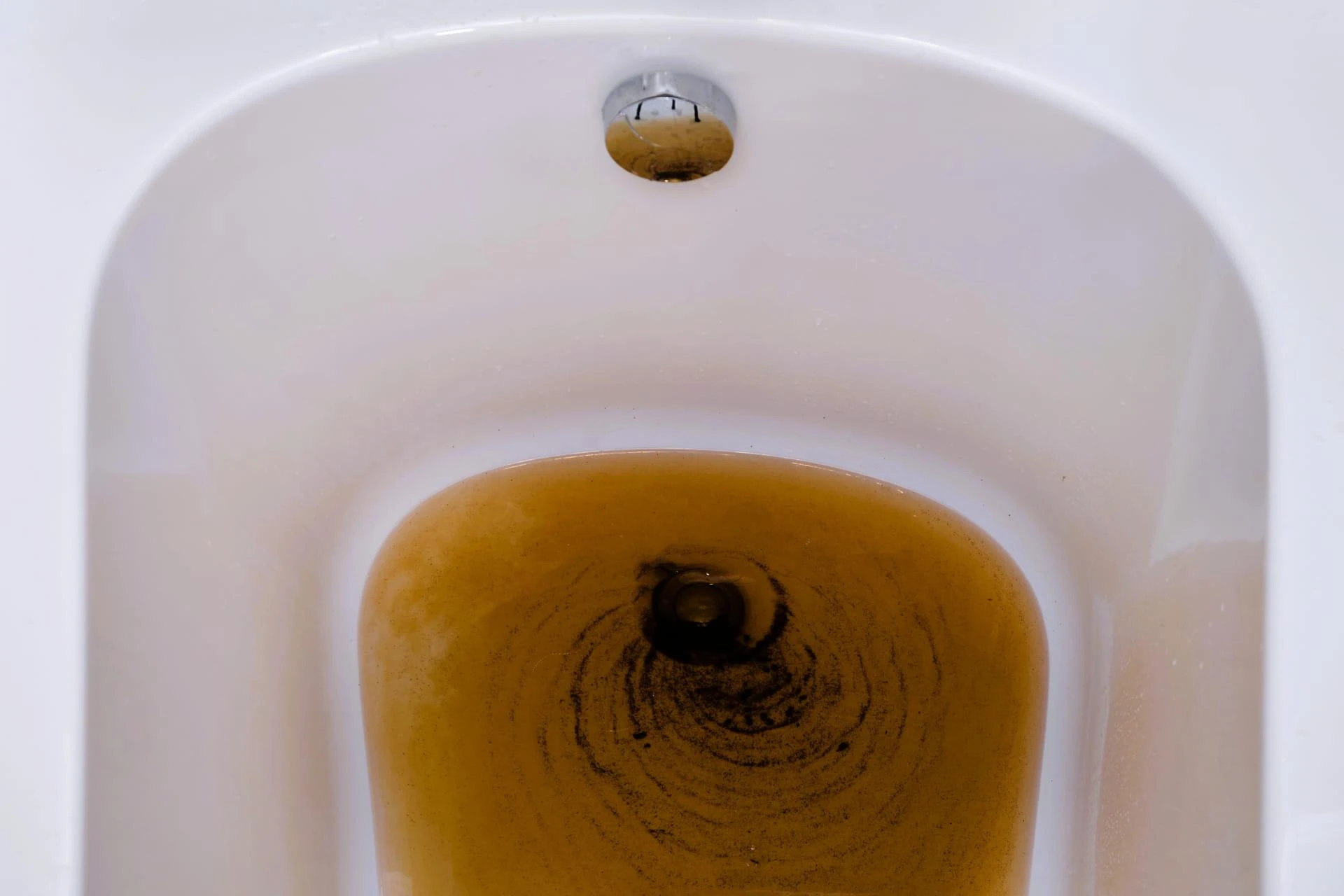

Sewer line backups create serious disruption because wastewater has nowhere to move once the main line slows or stops entirely. Minor restrictions often grow quietly underground until pressure forces sewage back through drains, tubs, or toilets, which explains why backups feel sudden and severe. Homeowners often ask why sewer line backups happen and how a plumber can fix them before cleanup becomes extensive. DiMarco Plumbing explains that “sewer backups usually begin with small flow problems that worsen over time, and early action prevents major sanitation risks.”
Understanding Sewer Line Backup Causes
Hands-on plumbing work shows that sewer problems develop gradually rather than appearing overnight. A common situation involves multiple slow drains followed by wastewater backing up during laundry or heavy water use, which plumbers frequently trace to a growing obstruction in the main sewer line. Patterns like this help professionals diagnose issues accurately and apply repairs that restore consistent drainage.
1. Tree Root Intrusion
Tree roots naturally seek moisture, and sewer lines provide a steady supply once joints weaken or small cracks appear. Roots enter the pipe, expand inside the line, and trap waste that should flow freely, which steadily narrows the passage. The U.S. Environmental Protection Agency identifies root intrusion as a frequent cause of residential sewer backups. Plumbers remove roots mechanically and address entry points to reduce future regrowth.
• Roots enter through joints and fractures
• Expanding roots trap solid waste
• Mechanical cutting restores flow
2. Grease Buildup Blockages
Grease poured down kitchen drains cools as it travels and adheres to pipe walls instead of rinsing away. Over time, thick grease layers collect food particles and debris, which slows drainage until wastewater backs up. The EPA warns that fats, oils, and grease contribute heavily to sewer system failures nationwide. Plumbers clear grease using professional cleaning methods that reopen the pipe interior.
• Grease hardens inside sewer pipes
• Food debris sticks to grease buildup
• Cleaning restores pipe capacity
3. Collapsed Sewer Pipes
Older sewer pipes may collapse due to soil pressure, shifting ground, or decades of material fatigue. Even a partial collapse restricts wastewater movement enough to cause repeated backups inside the home. The U.S. Geological Survey notes that soil movement plays a major role in underground infrastructure failure. Plumbers confirm collapses with camera inspections before repairing or replacing damaged sections.
• Soil pressure stresses aging pipes
• Collapsed sections block flow
• Camera inspections confirm damage
4. Foreign Object Flushing
Items never designed for sewer systems often enter drains through flushing or accidental disposal. Wipes, hygiene products, and paper towels collect inside pipes and snag additional debris, creating stubborn obstructions. The EPA advises that only toilet paper should be flushed in residential systems. Plumbers locate and remove these items to restore normal drainage.
• Non-flushable items cause severe clogs
• Debris gathers around foreign objects
• Removal reopens sewer pathways
5. Aging Pipe Materials
Many homes still rely on clay, cast iron, or early-generation PVC sewer lines that weaken with age. Corrosion, cracking, and joint separation reduce pipe capacity and increase backup risk. The EPA reports that aging infrastructure contributes significantly to sewer failures nationwide. Plumbers assess pipe condition to determine whether targeted repairs or replacement offer the most dependable solution.
• Older materials degrade gradually
• Corrosion narrows pipe interiors
• Repairs extend system lifespan
6. Improper Pipe Sloping
Sewer lines depend on gravity, and incorrect slope prevents waste from moving efficiently toward the main connection. Low spots allow debris to settle, which eventually forms blockages that trigger backups. Plumbing standards published by the International Code Council outline proper slope requirements for drainage systems. Plumbers correct grading issues to restore steady wastewater movement.
• Improper slope slows drainage
• Standing waste increases clog risk
• Regrading improves long-term flow
7. Heavy Rain Overload
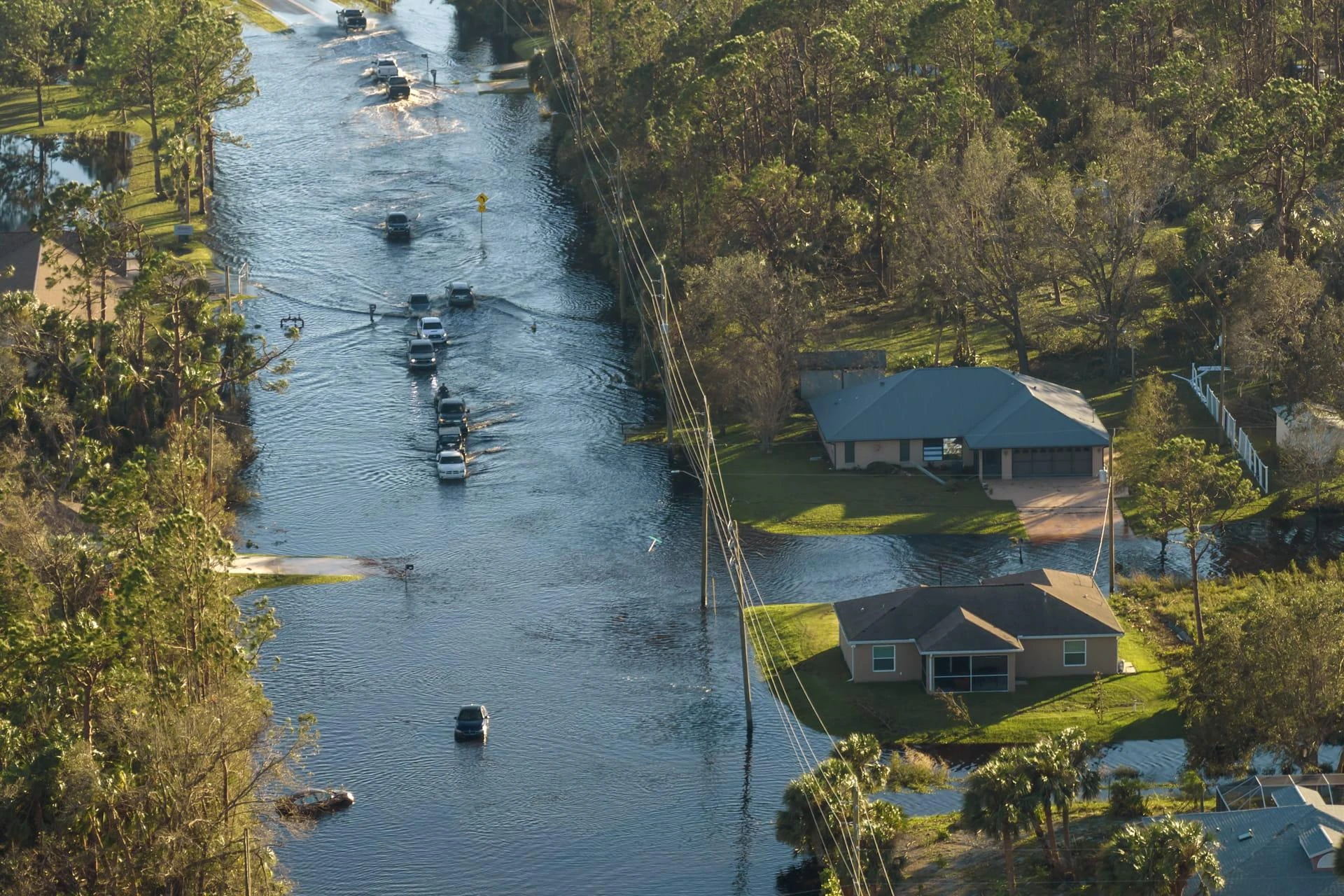
Heavy rainfall can overwhelm sewer systems, especially in areas with combined storm and sanitary lines. Excess water raises pressure inside sewer pipes and forces wastewater back toward homes. The EPA explains that intense storms contribute to sewer overflows nationwide. Plumbers reduce risk by improving drainage pathways and installing protective devices.
• Stormwater increases sewer pressure
• Combined systems overload quickly
• Drainage upgrades reduce backups
Sewer Line Repair Insight
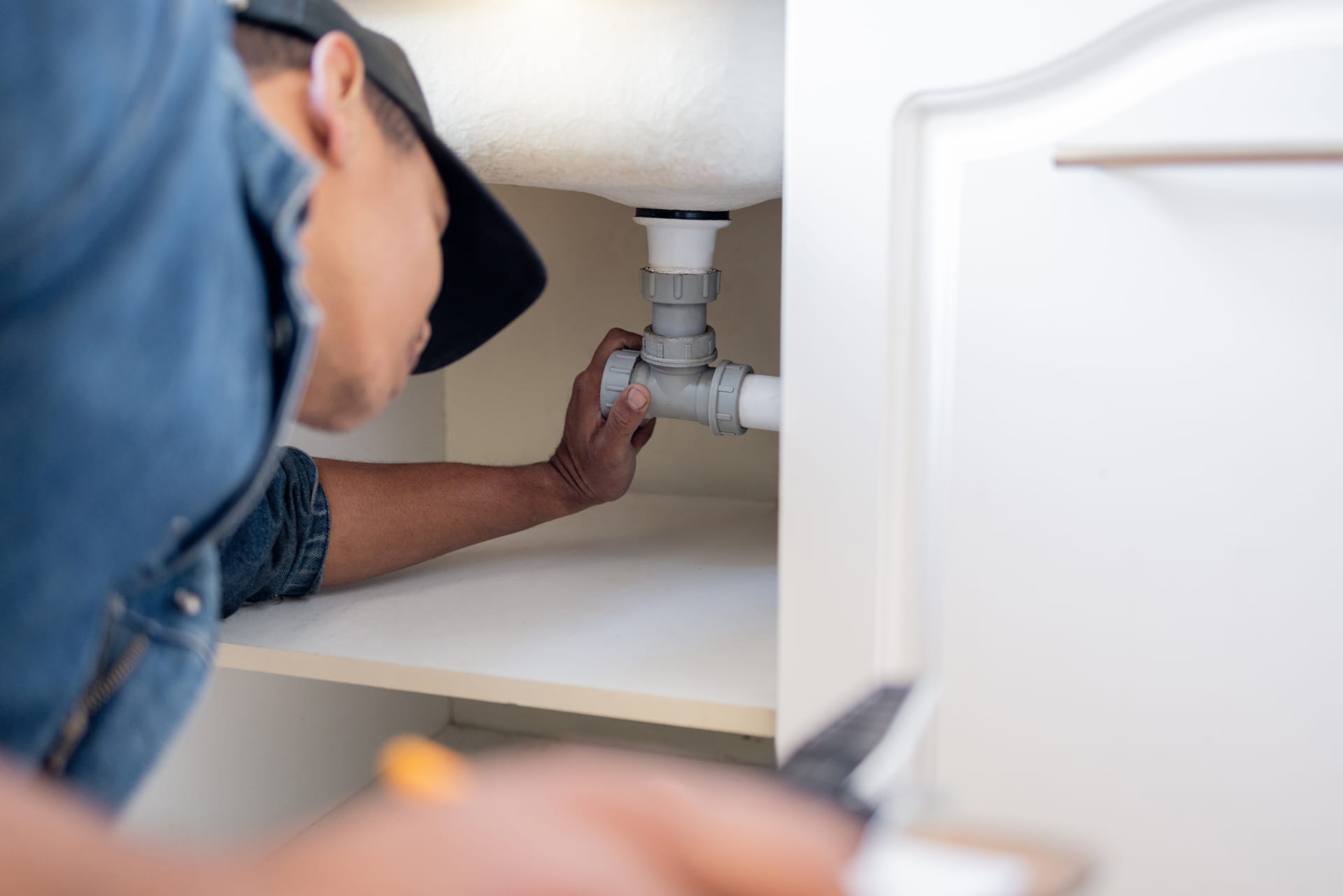
Sewer backups share clear warning patterns tied to pipe aging, debris buildup, and soil movement. Each cause described shows how restricted flow builds pressure until wastewater reverses direction into living spaces. Homeowners who respond early limit cleanup costs and protect indoor air quality. Be aware of strange plumbing noises that could signal plumbing repair. DiMarco Plumbing emphasizes that professional diagnostics correct underlying causes rather than offering short-term relief.
Key Takeaways for Sewer Line Backup Causes
Understanding the causes of sewer line backups helps homeowners protect plumbing systems and interior spaces. Tree roots, grease buildup, aging materials, and improper slope interfere with wastewater movement in predictable ways. Professional repairs restore flow while reducing the likelihood of repeated disruptions.
• Early detection limits severe sewer damage
• Most blockages develop gradually
• Professional repairs reduce repeat backups

































Sign in to leave a comment.