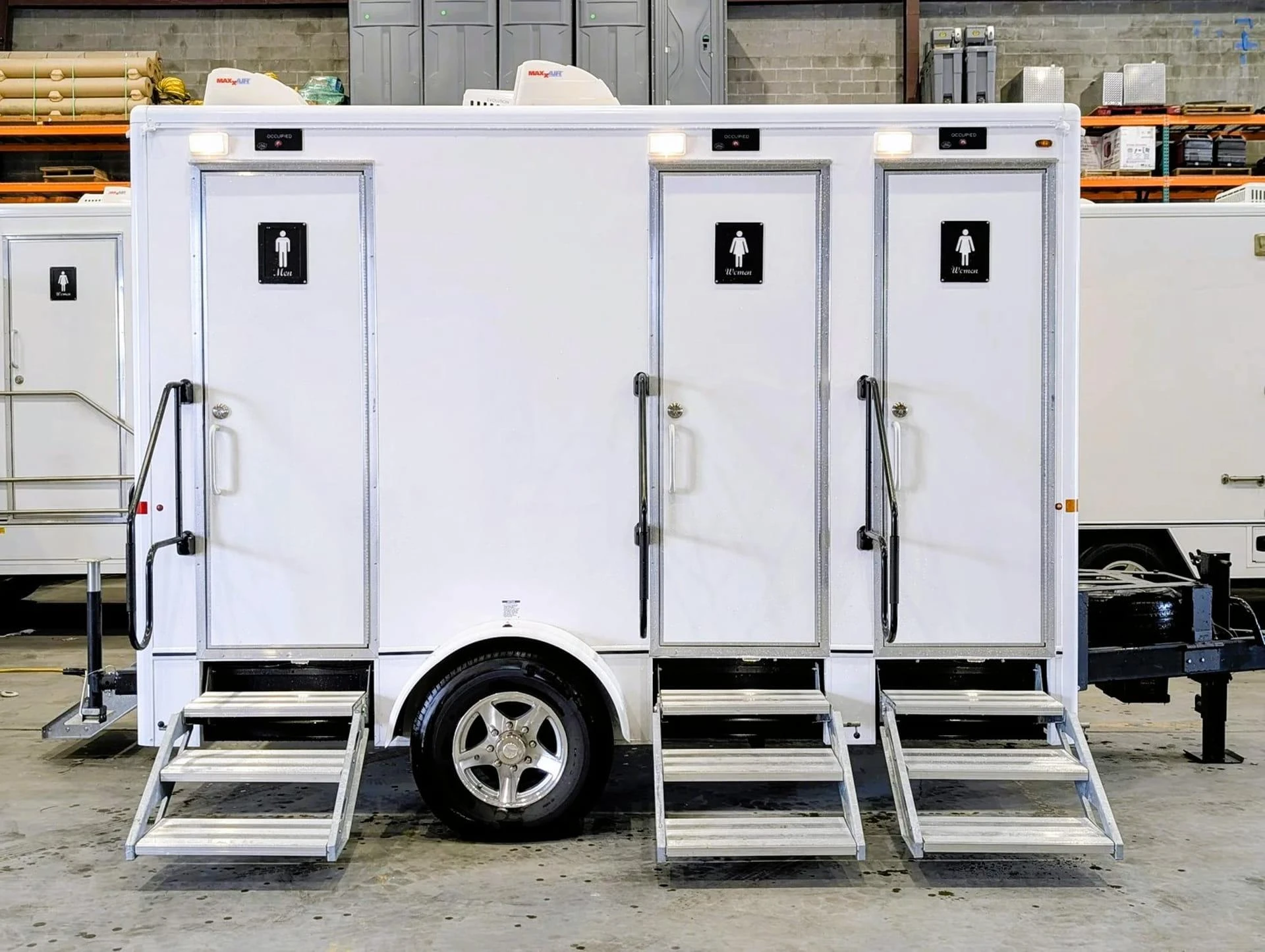

Power and sanitation planning quietly determine whether an event remains stable under pressure or slowly develops operational stress as attendance rises. Electrical systems, generators, lighting, and restroom services rely on one another more closely than many planners expect, especially once crowds peak and usage becomes nonstop. Coordinating power and sanitation services demands deliberate timing, realistic capacity planning, and shared oversight across vendors. Pelican Events frequently advises planners that power and sanitation perform best when managed as one interconnected operational framework rather than isolated tasks.
Power and Sanitation Coordination
Experienced planners have watched small coordination oversights grow into disruptive problems when restroom trailers arrive before power is live or generators sit too close to service zones. A familiar scenario involves late lighting changes that block pump-out access, forcing crews to navigate equipment through guest traffic while restrooms stay heavily used. Coordinated planning prevents these outcomes by identifying dependencies early and maintaining alignment from setup through breakdown. Preparation reduces friction and confusion.
• Shared timelines prevent setup conflicts
• Early coordination limits rushed adjustments
• Clear responsibilities keep vendors aligned
1. Site Layout Planning
Site layout directly shapes how power and sanitation systems operate throughout an event. Generator placement, restroom access, and lighting routes must support safety, service flow, and crowd movement without creating congestion. The Occupational Safety and Health Administration highlights the importance of clear access paths around temporary equipment to reduce hazards and service interruptions. Layout decisions influence every operational hour.
• Clear pathways support service vehicles
• Adequate spacing limits exhaust and noise exposure
• Thoughtful lighting improves restroom visibility
2. Electrical Load Mapping
Electrical load mapping helps planners prevent strain that can quietly disrupt sanitation services. Restroom trailers draw steady power for lighting, ventilation, and climate control, adding continuous demand to the electrical system. The U.S. Department of Energy reports that overloaded electrical systems face increased outage risk during peak usage windows. Load awareness prevents shutdowns and instability.
• Restroom trailers add constant demand
• Lighting loads rise sharply after dark
• Balanced circuits reduce outage risk
3. Generator Placement Safety
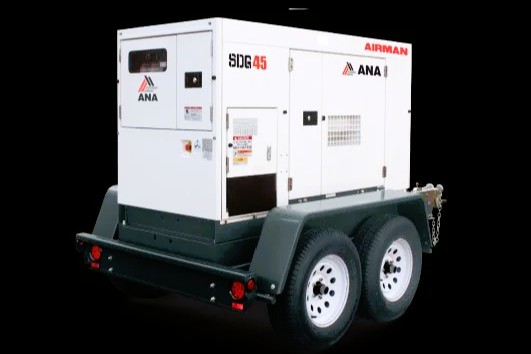
Generator placement affects both safety conditions and sanitation reliability. Exhaust fumes, heat output, and sound levels must remain clear of restroom areas while still delivering consistent power to essential equipment. Environmental Protection Agency guidance emphasizes managing generator exhaust to protect air quality near occupied spaces. Distance protects people and equipment.
• Separation protects air quality near restrooms
• Noise control improves guest comfort
• Clearance zones support safe operation
4. Power Supply Timing
Power supply timing determines when sanitation services become fully usable. Restroom trailers delivered without active power delay lighting, ventilation, and handwashing access, which restricts functionality during early event hours. Federal Emergency Management Agency guidance stresses that utilities should be operational before occupancy at temporary sites. Timing preserves readiness.
• Power activation supports early access
• Coordinated delivery avoids service gaps
• Early testing confirms system stability
5. Water and Power Access
Water access and electrical safety intersect most clearly around restroom areas. Adequate lighting improves visibility while electrical connections must remain protected from moisture, cleaning activity, and foot traffic. OSHA electrical safety standards stress grounding and protection where water and electricity coexist. Attention to detail prevents hazards.
• Lighting improves nighttime restroom access
• Protected connections reduce shock risk
• Dry zones extend equipment lifespan
6. Service and Maintenance Access
Service access keeps sanitation systems operating without interruption. Pump-out crews and refueling teams require clear entry routes that remain open even during peak attendance periods. Public safety guidance consistently emphasizes uninterrupted access for critical services at temporary gatherings. Access sustains continuity.
• Clear routes allow timely pump-outs
• Scheduled service windows limit conflicts
• Unblocked access prevents operational delays
7. Contingency Planning Measures
Contingency planning protects sanitation availability during unexpected power disruptions. Backup generators, secondary lighting, and emergency response plans reduce the impact of outages during high-traffic moments. FEMA preparedness resources repeatedly emphasize redundancy for essential services at large gatherings. Backups stabilize operations.
• Backup power supports restroom continuity
• Emergency lighting maintains safe visibility
• Redundant plans limit downtime
Operational Analysis
Coordinating power and sanitation services shapes how smoothly an event functions from setup through teardown. Bathroom trailer rentals improve sanitation at large events in a subtle but powerful way. Site layout, electrical planning, generator safety, and service access operate as a connected system rather than isolated responsibilities, and misalignment in one area strains the rest. Event planners who manage these elements collectively experience fewer disruptions, steadier service, and stronger safety outcomes. Coordination becomes a quiet advantage built through planning discipline.
• Integrated planning reduces conflicts
• Aligned systems improve reliability
• Proactive decisions prevent disruptions
Key Takeaways for Coordinating Power and Sanitation Services
• Early layout planning supports safer operations
• Electrical load awareness prevents outages
• Generator placement influences sanitation reliability
• Service access keeps systems functional
• Contingency planning protects availability































Sign in to leave a comment.