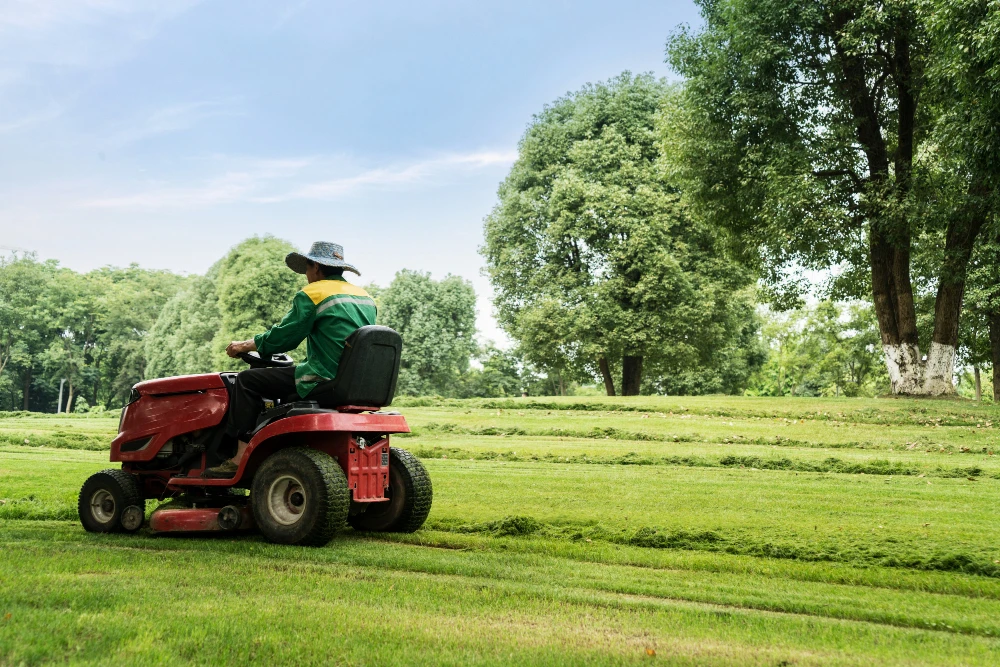

Maintaining a beautiful lawn doesn't have to harm the environment. By adopting eco-friendly practices, you can have a healthy, green yard while protecting our planet. Here are some sustainable lawn care techniques that are easy to understand and implement for lawn maintenance services.
1. Soil Health: The Foundation
Think of your soil as the foundation of your lawn. Healthy soil is essential for strong, vibrant grass. You can improve your soil's health by:
- Adding Compost: Compost is made from decomposed organic matter like leaves and food scraps. Mixing compost into your soil adds nutrients and improves its structure.
- Leaving Grass Clippings: When you mow, leave the grass clippings on the lawn. They act as a natural fertilizer, returning nutrients to the soil.
2. Organic Fertilizing
Instead of using chemical fertilizers, switch to organic options. Organic fertilizers are made from natural materials like compost, manure, or bone meal. They release nutrients slowly, feeding your lawn over time without the risk of harmful chemical runoff.
3. Natural Pest Management
Not all bugs are bad! Many beneficial insects help control pests naturally. To encourage these helpful creatures:
- Plant Native Flowers: Native flowers attract beneficial insects like ladybugs and predatory beetles, which eat harmful pests.
- Use Nematodes: Nematodes are microscopic worms that can control grubs (larvae that damage grass roots).
- Corn Gluten Meal: This natural product can be used as a pre-emergent herbicide, preventing weed seeds from sprouting.
4. Water Wisely
Watering efficiently is key to conserving water. Follow these tips for lawn maintenance services:
- Water Deeply, Less Often: Water your lawn deeply but infrequently to encourage deep root growth. Deep roots make your lawn more drought-tolerant.
- Water Early: Water in the early morning or late evening to reduce evaporation.
- Collect Rainwater: Install a rain barrel to collect rainwater for your lawn.
- Efficient Irrigation: Invest in efficient irrigation systems that deliver water directly to the roots.
5. Sustainable Lawn Mowing
How you mow your lawn can also impact the environment.
- Mow High: Set your mower to a higher setting (around 3 inches) to encourage more profound root growth and prevent the lawn from drying out.
- Sharpen Your Blades: Keep your mower blades sharp for a clean cut. Dull blades tear the grass, making it more susceptible to disease.
6. Natural Weed Control
Weeds can be challenging, but you can manage them without harmful chemicals.
- Hand-Pulling: Hand-pulling weeds is an effective way to remove them, especially when they are young.
- Mulch: Using mulch can suppress weed growth by blocking sunlight.
- Organic Weed Control Products: Apply organic weed control products, like corn gluten meal, to help keep your lawn free of unwanted plants.
7. Eco-Friendly Equipment
Consider switching to eco-friendly lawn equipment. Electric or battery-powered mowers, trimmers, and leaf blowers produce fewer emissions than gas-powered equipment.
8. Xeriscaping
Consider installing a xeriscape, a landscape design requiring little to no irrigation. This is an excellent way to conserve water and reduce chemical use.
9. Regular Monitoring
Keep a close watch on your lawn to detect any early signs of problems. Addressing issues promptly with eco-friendly solutions will prevent the need for more aggressive treatments later.
In Conclusion
Implementing these sustainable practices can create a beautiful, healthy lawn while minimizing environmental impact. These methods enhance your lawn's vitality, contribute to preserving natural resources, and reduce your ecological footprint.
Embracing eco-friendly “lawn maintenance service” is good for your yard and the planet! With these simple steps, you can enjoy a lush lawn that supports nature and promotes sustainability for future generations.




























Sign in to leave a comment.