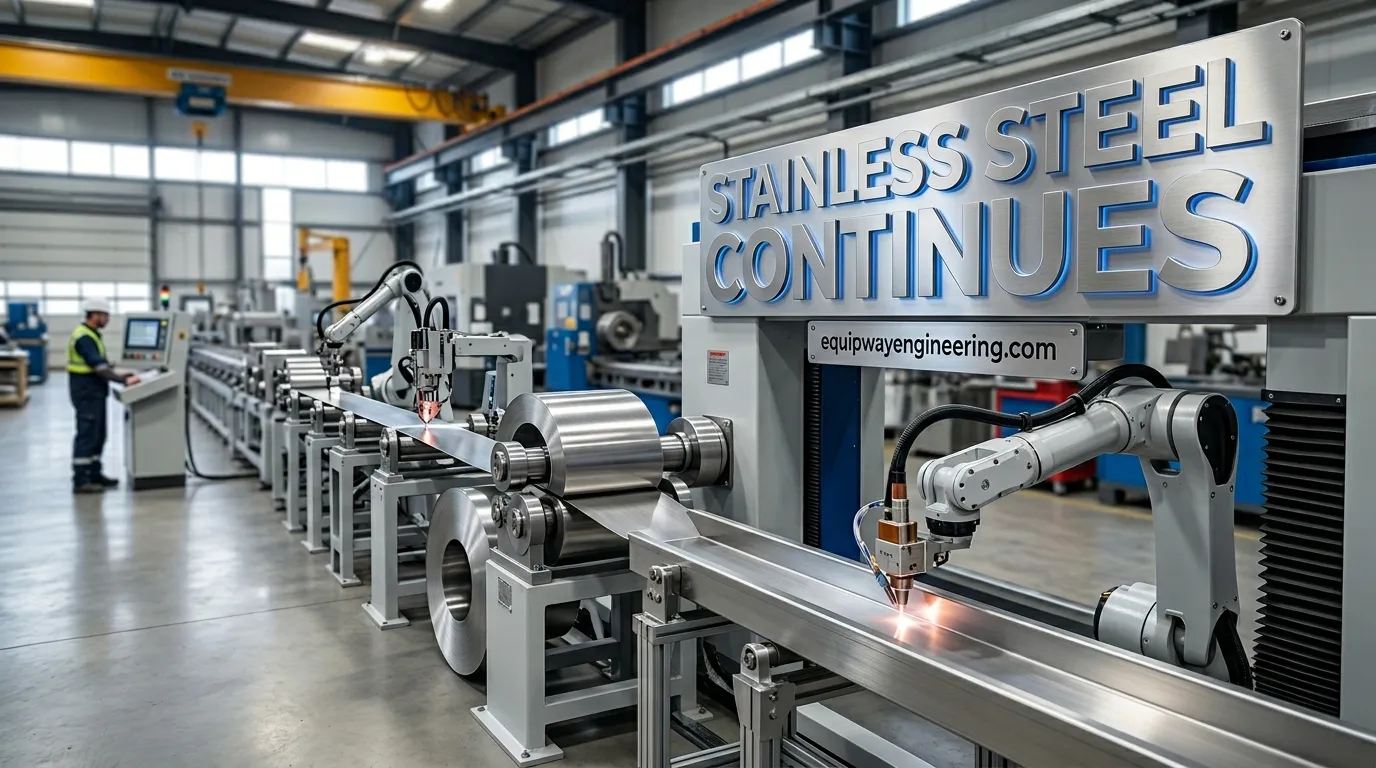

Modern Industrial Materials
Industrial sectors today rely on durable and high-performance materials to maintain product quality and operational efficiency. From construction and manufacturing to food processing and engineering, businesses prefer materials that offer strength, reliability, and long-term value.
Among the most trusted industrial materials, stainless steel continues to stand out because of its durability, corrosion resistance, and versatile applications. Industries around the world use stainless steel products for both heavy-duty and everyday operations.
Stainless steel products are widely known for their strength, clean appearance, and long service life. These products help businesses reduce maintenance costs while improving operational performance in demanding environments.
Equip Way Engineering Services Private Limited (EES) has been serving industrial sectors for 15 years as a registered commercial importer and exporter. The company specializes in engineering and industrial products and understands the importance of supplying reliable materials that meet modern industrial standards.
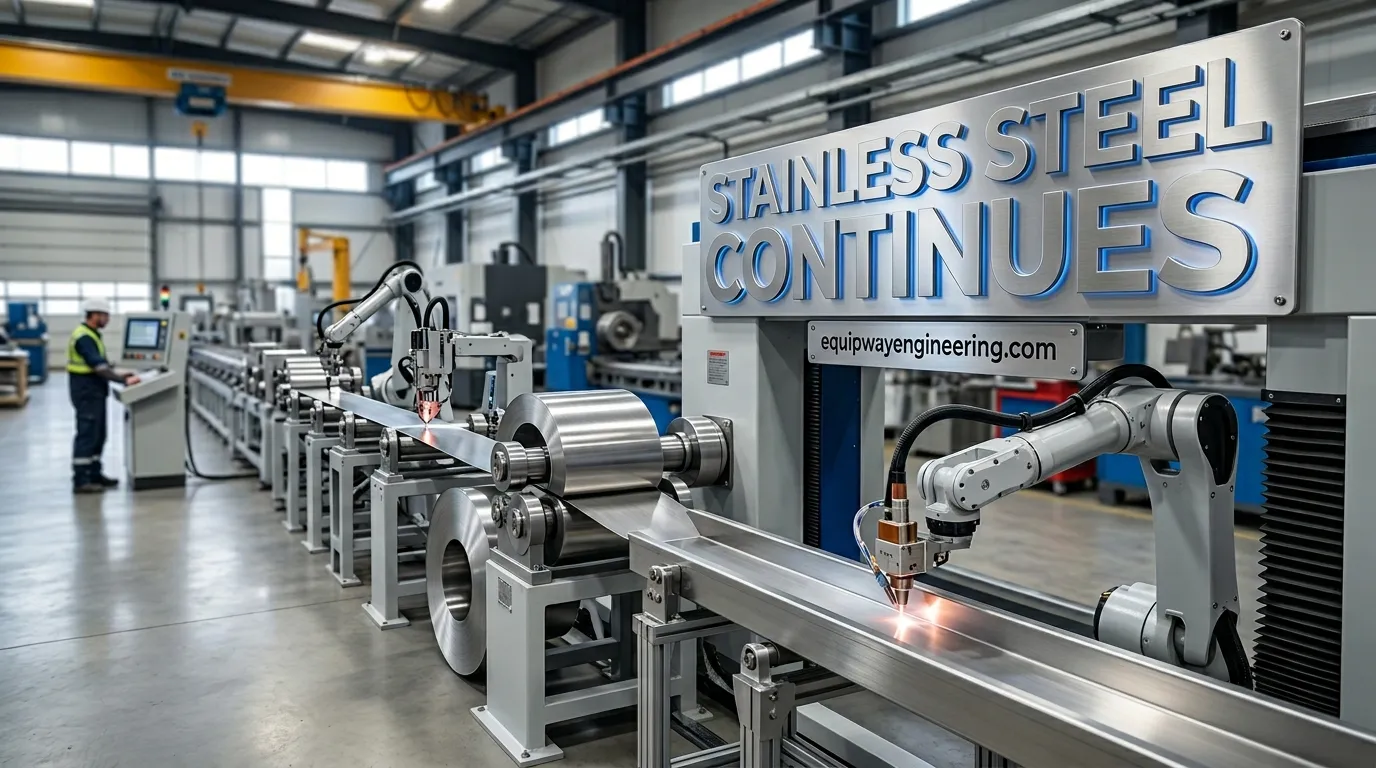
Why Stainless Steel Products Are Highly Preferred
Businesses prefer stainless steel because it performs well under pressure and resists damage from moisture, chemicals, and heat. Unlike ordinary metals, stainless steel maintains its strength and appearance for long periods.
Industrial companies often choose stainless steel products because they require less maintenance compared to many other materials. This reduces repair costs and improves operational efficiency.
Another major advantage is versatility. Stainless steel is used in construction structures, industrial machinery, kitchen equipment, transportation systems, and medical tools. Its flexibility makes it suitable for both commercial and industrial applications.
Importance of Stainless Steel in Construction Industry
Construction companies require materials that can withstand changing weather conditions and heavy usage. Stainless steel plays an important role in modern infrastructure because of its durability and corrosion resistance.
Builders commonly use stainless steel products in bridges, railings, roofing systems, support structures, and architectural designs. These materials maintain structural integrity even in difficult environments.
Modern construction projects also focus on aesthetics. Stainless steel offers a clean and polished appearance that improves the visual appeal of buildings and commercial spaces.
Long-term reliability is another reason construction industries rely on stainless steel. Durable materials reduce replacement frequency and support sustainable building practices.
Role of Stainless Steel Products in Manufacturing
Manufacturing industries require strong materials for machinery, processing systems, and production equipment. Stainless steel supports industrial operations because it can handle high temperatures, pressure, and continuous use.
Factories often use industrial stainless steel components in conveyor systems, storage tanks, pipes, and machine parts. These products help maintain stable production environments and improve equipment lifespan.
One important benefit of stainless steel is hygiene. Industries such as food processing, pharmaceuticals, and healthcare require materials that are easy to clean and resistant to contamination.
Stainless steel surfaces are smooth and non-porous, making them ideal for industries where cleanliness is essential. This improves product safety and supports strict quality standards.
How Stainless Steel Supports Industrial Efficiency
Industrial businesses focus heavily on operational efficiency and long-term performance. Choosing durable materials directly affects maintenance costs, productivity, and project success.
Stainless steel products support efficiency because they resist corrosion, cracking, and wear. Machines and systems built with stainless steel often operate for longer periods without major repairs.
Energy efficiency is another advantage. Stainless steel performs well in high-temperature systems and industrial processing environments. This helps industries maintain stable operations while reducing material failure.
Reliable materials also improve workplace safety. Strong structural components reduce the risk of equipment failure and support safer industrial environments.
Common Types of Stainless Steel Products
Industrial sectors use a wide range of stainless steel materials for different applications. Each product type is designed to meet specific operational requirements.
Stainless steel sheets are commonly used in construction, fabrication, and industrial manufacturing. Their smooth surface and durability make them suitable for multiple applications.
Stainless steel pipes are widely used in water systems, chemical processing plants, and industrial transport systems. They provide excellent corrosion resistance and long service life.
Stainless steel fittings and fasteners are important for connecting industrial systems securely. These components help maintain structural stability and operational reliability.
Industrial storage tanks, kitchen equipment, machine parts, and structural frameworks are also commonly manufactured using stainless steel because of its durability and clean appearance.
Advantages of Choosing High-Quality Stainless Steel
Not all industrial materials offer the same level of performance. High-quality stainless steel provides better durability, improved strength, and enhanced corrosion resistance.
Businesses that invest in premium stainless steel products often achieve lower maintenance costs and longer equipment lifespan. Reliable materials reduce operational disruptions and improve project performance.
High-grade stainless steel also maintains its appearance over time. This is especially important in commercial and architectural applications where visual quality matters.
Industrial buyers often work with experienced suppliers to ensure they receive certified and reliable materials. Professional suppliers help businesses choose products that meet project requirements and quality standards.
Why Experience Matters in Industrial Supply Services
Industrial sourcing requires technical knowledge and market experience. Businesses prefer suppliers who understand engineering standards and industrial demands.
Equip Way Engineering Services Private Limited (EES) has built strong industry experience over the past 15 years. The company supports clients by supplying engineering and industrial products that match modern operational needs.
Experienced suppliers help businesses avoid low-quality materials that may lead to operational issues. Professional guidance also improves purchasing decisions and project efficiency.
Reliable supply chains are equally important for industrial success. Businesses depend on trusted suppliers for timely delivery and consistent product quality.
Growing Demand for Stainless Steel Products Worldwide
Global industries continue to increase their use of stainless steel because of its long-term value and performance advantages. Modern businesses focus on materials that improve efficiency and reduce maintenance costs.
Stainless steel products are now widely used in renewable energy projects, transportation systems, medical industries, and food processing plants. Their versatility supports both traditional and advanced industrial applications.
Sustainability is also increasing the demand for stainless steel. The material is recyclable and environmentally friendly, making it suitable for industries focused on green practices.
Advanced production technologies are improving stainless steel quality and manufacturing efficiency. These developments continue to expand its industrial applications worldwide.
Maintenance and Care for Stainless Steel Materials
Proper maintenance helps preserve the strength and appearance of industrial materials. Stainless steel requires less maintenance compared to many other metals, but regular care still improves long-term performance.
Cleaning stainless steel surfaces regularly helps prevent dirt buildup and maintains a polished appearance. Industrial systems should also be inspected to identify signs of wear or damage.
Using the correct cleaning materials is important. Harsh chemicals may damage protective surfaces, so industries often use specialized cleaning methods for stainless steel components.
Businesses that maintain stainless steel products properly often experience better operational reliability and reduced replacement costs.
Future of Stainless Steel in Industrial Applications
Industrial sectors continue to evolve with new technologies and advanced manufacturing methods. Stainless steel remains one of the most trusted materials because of its strength, reliability, and adaptability.
Future industrial developments are expected to increase demand for lightweight, durable, and sustainable materials. Stainless steel is likely to remain a preferred choice in construction, engineering, and manufacturing industries.
Smart manufacturing systems and automation technologies are also increasing the need for durable industrial materials. Stainless steel supports these modern systems with reliable performance and long service life.
Businesses that invest in high-quality materials today are better prepared for future industrial challenges and operational demands.
Conclusion
Industrial success depends on using reliable materials that support performance, safety, and long-term efficiency. Stainless steel continues to play a major role in construction, manufacturing, engineering, and industrial operations worldwide.
High-quality stainless steel products provide durability, corrosion resistance, hygiene, and strong operational value. Businesses that choose dependable materials often improve productivity while reducing maintenance expenses.
With 15 years of experience in engineering and industrial products, Equipway Engineering continues to support businesses with trusted solutions and professional expertise. Reliable materials and dependable service help industries achieve stronger operational results and long-term growth.
Frequently Asked Questions About Stainless Steel Products
What are stainless steel products used for?
Stainless steel products are used in construction, manufacturing, food processing, engineering, transportation, and industrial systems because of their strength and corrosion resistance.
Why are stainless steel materials preferred in industries?
Industries prefer stainless steel because it is durable, corrosion-resistant, easy to maintain, and suitable for high-performance environments.
Which industries commonly use stainless steel products?
Construction, healthcare, food processing, engineering, automotive, pharmaceutical, and manufacturing industries widely use stainless steel products.
What are the common types of stainless steel products?
Common products include stainless steel sheets, pipes, fittings, fasteners, storage tanks, kitchen equipment, and industrial machine components.
How do stainless steel products improve industrial efficiency?
They reduce maintenance costs, improve durability, support hygiene standards, and provide long-lasting operational performance.
Why should businesses work with experienced industrial suppliers?
Experienced suppliers provide reliable materials, technical support, quality assurance, and professional guidance for industrial projects.
Are stainless steel materials environmentally friendly?
Yes, stainless steel is recyclable and supports sustainable industrial practices because it can be reused without losing quality.

























Sign in to leave a comment.