A nonprofit organization is driven by the objective of raising funds and channelize them in the right direction to support various causes. The fulfillment of this objective depends on the kind of support a nonprofit gets from its donors. If you have individuals contributing funds to support the different causes you stand for, you will not have much to worry about.
Managing donors and the funds contributed by them is not an easy task. Optimizing donor relationships also required quite a bit of effort. Doing all this was even more difficult when we did not have advanced technology around us. Thankfully, now we have donor management software to carry out such tasks.
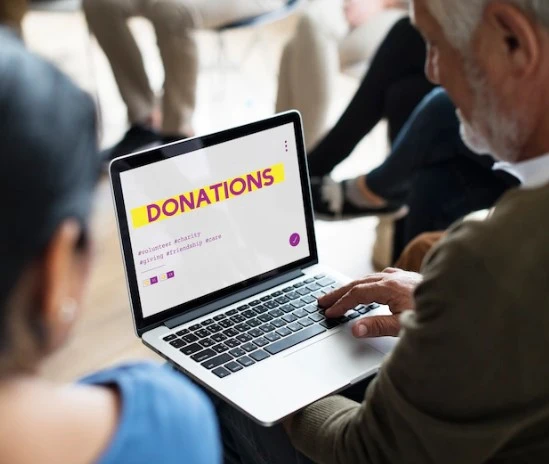
Donor management software can be best described as a tool that makes it very convenient for nonprofits to store and assess all the information or data pertaining to donors. Software of this kind helps nonprofits fortify their relationship with their donors.
Here are 9 things to consider while choosing a nonprofit donor management software:
Donor Profile
A good donor management software is one that helps you create a profile for a donor in the most effective manner. It should have the kind of features that enable you to enter and store all the relevant information pertaining to the donors who have contributed or are contributing to a nonprofit.
Creating a donor profile is very important if you wish to track all the information pertaining to the donors including their contact details, donations they have made, gifts they have given, and the number of times they have donated. The software should also provide you with enough customizable options while creating a profile for the donors.
Fundraising Options
There is no point in using a donor management tool that does not come armed with strong fundraising capabilities. The software should have a dedicated page that enables potential donors to fill up a donation form or contribute in a very convenient manner. The platform should be user-friendly and emerge as one of the biggest reasons behind recurring donations.
When you put together a donor management platform, you should ensure it has customizable buttons for making donations. When it comes to the tools you provide your donors with, donate buttons prove to be indispensable. Apart from incorporating innovative donation features, the platform should also make it easy for you to organize crowdfunding campaigns easily.
Donor Segmentation
Every nonprofit receives contributions from donors based in different parts of the world or engaged in different professions. When you have such diverse donors, it becomes a little difficult to keep a track of everyone. Donor management systems for nonprofits, however, have made this process easy. It gives you the opportunity to put donors into different categories or segments.
Adhering to donor segmentation helps you in several different ways. It enables you to create email lists driven by specific categories or factors like age, location, and the total amount of money donated. It makes it easy for you to communicate with all your donors in a more personalized manner. You should opt for software that offers you enough options as far as donor segmentation is concerned.
Better Donor Engagement
Engaging your donors is very important if you wish for them to contribute regularly to your nonprofit. There are many donors who make large contributions but then, do not donate to a particular nonprofit for the second time. There is something the nonprofit needs to take responsibility for.
You must engage your donors by sending them emails or messages at regular intervals. Of course, you should not bombard them with messages. However, providing them with information about what the organization is up to and how they can contribute is very important. Choose a donor management software that can help you do this conveniently.
Awareness about Initiatives
While some donors contribute funds to a nonprofit because of the reputation it has, there are many who like the idea of getting associated with a cause. If you are supporting a particular cause at a given point in time, you should ensure that a large number of people get to know about it. Apart from updating your existing donors about it, you must try to reach out to potential donors as well.
Creating awareness about different social initiatives is tough unless you have well-structured software for it. While investing in new CRM software, you must check the extent to which it can help you create some awareness about an initiative that you have undertaken. It should make it easy for you to send across promotional material related to a campaign or initiative to multiple people simultaneously.
Recurring Donations
To sustain itself in the long run, a nonprofit has to work towards getting recurring donations from its donors. The nonprofit CRM software that you invest in should have the capacity to manage and increase the rate of recurring donations. This is one important aspect you should look for while investing in donor management software.
Apart from enabling you to include recurring donation intervals, the software should also help you highlight the intervals you prefer on the donation form. With the help of the software, you must work towards putting together independent donation tiers that prove to be effective for you. The software should also make it convenient for you to put down the donation amount on the form.
Workflow Integration
Many a time, people who run nonprofits install CRM software and then, complain about it disrupting their existing workflow. You should do an adequate amount of research and finalize the kind of software that complements the workflow you have in place at the moment. You should choose donor management software that integrates smoothly with your existing infrastructure.
A nonprofit is based on the foundation of several important elements like email marketing, content management system, payment processing setup, and accounting software, among others. The software, that you opt for, should enhance the working processes of each of the departments in the nonprofit and strengthen them further.
Payment Gateways
In today’s times, a nonprofit is expected to be flexible while offering payment options to its donors. If you insist your donors pay only by cash or plastic money, you will not be able to get a lot of donors on board. To offer multiple payment modes to your donors, you need to use the right donor management software.
When somebody visits a store to buy essentials, they expect to be provided with multiple payment options. Similarly, when somebody offers to contribute an amount to your nonprofit, it is imperative that you ensure the payment-making process for them is smooth and easy. Apart from providing them with multiple options, you must also make sure that they do not face any inconveniences while making the payment.
Receipt Automation
The more the number of donors, the more the number of receipts you will have to produce. When done manually, it turns out to be quite a tiring process that also consumes a lot of time. Some nonprofits hire a staff member only for writing down or producing receipts. When you plan to invest in nonprofit CRM software, you must ensure you get one that automates this process.
When a donor makes a contribution to your nonprofit, they should get a thank-you message or e-mail automatically along with an elaborate donation receipt. Even when a donor loses their receipt and requests it to be produced to them again, you can do that easily using the software. You can create a template and produce a large number of receipts every day with the help of the software.
Conclusion
From the names of the donors to the frequency with which they make donations, you can store a variety of data using donor management software. Not just data storage and maintenance, donor management or CRM software also helps in strengthening your rapport with donors, getting newer ones on board, and ensuring that your nonprofit meets all its short-term and long-term objectives.



















Sign in to leave a comment.