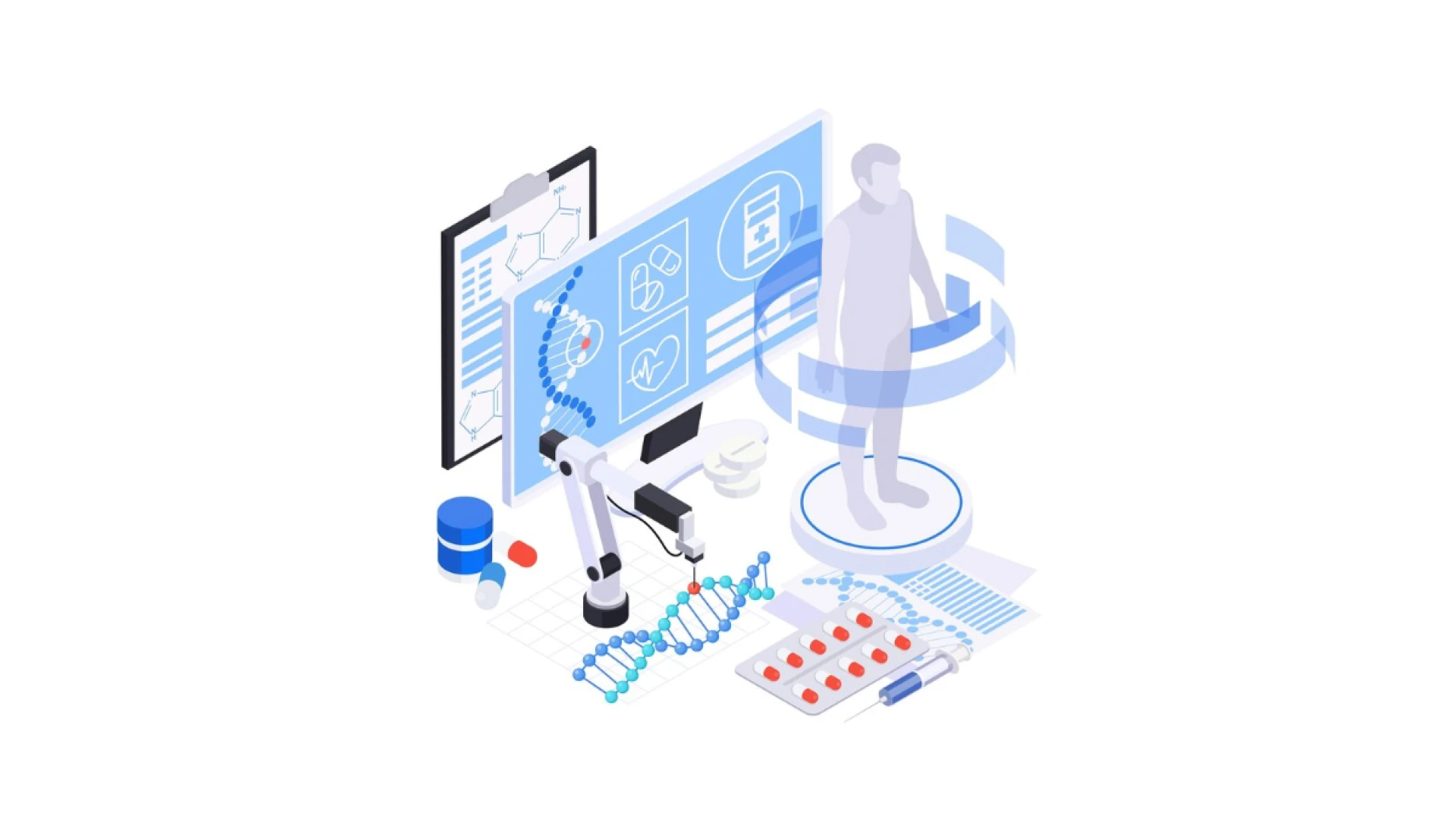

Pioneering Drug Discovery: How AI in Clinical Trials Is Revolutionizing Research
Traditional clinical trials are time-consuming, expensive, and prone to setbacks. On average, it can take over a decade for a drug to advance from initial discovery to market approval. Each step—beginning with preclinical testing and culminating in multi-phase trials—generates massive volumes of data. Sorting through this data manually is not only error-prone but can also create bottlenecks that impede timely progress.
AI in clinical trials solves many of these problems by automating data analysis, offering real-time insights, and revealing hidden patterns that human researchers might miss. Machine learning algorithms can assimilate patient information, past clinical data, and scientific literature to optimize trial design, refine inclusion criteria, and predict patient responses. This data-driven approach paves the way for more efficient, ethically sound, and cost-effective clinical research.
AI’s Impact on Key Stages of Clinical Trials
1. Trial Design and Protocol Development
The first step in any clinical trial—designing the protocol—demands meticulous planning. Researchers must identify key endpoints, determine dosing strategies, and define eligibility requirements. AI-driven analytics tools can accelerate this process by evaluating historical trial data and existing research to unearth best practices. By analyzing similar studies, AI can predict potential pitfalls (like common side effects or high dropout rates) and guide more effective trial designs.
Example: Using AI, a research team might uncover that older patients with a specific comorbidity are more likely to respond adversely to a certain compound. Armed with that insight, the team can either refine the dosing schedule or exclude such participants to minimize risks.
2. Patient Recruitment and Enrollment
Patient recruitment is frequently cited as the most challenging and costly aspect of clinical trials. In many instances, trials close prematurely or run long simply because they fail to meet enrollment targets. AI platforms can comb through electronic health records, social media activity, or even public databases to identify potential candidates who meet specific eligibility criteria. Moreover, algorithms can match patients to trials based on genetic markers, disease history, and lifestyle factors, boosting the odds of successful enrollment.
Example: A machine learning system that analyzes EHR data might discover that a patient with early-stage breast cancer and particular genetic mutations is an ideal fit for a new immunotherapy trial. The software sends an automated alert to the patient’s physician, expediting the referral process.
3. Patient Stratification and Personalization
Not all patients respond identically to the same treatment; genetic, environmental, and lifestyle differences can influence outcomes. Traditional trials tend to lump participants into broad categories, risking inconclusive or misleading results. AI excels at segmenting patient populations according to real-time lab results, genomic data, and even social determinants of health. This stratification helps researchers understand how a treatment might perform across various subgroups, paving the way for more personalized and precise therapies.
Example: An AI-enabled clinical trial might stratify diabetic patients by biomarkers like insulin sensitivity, body mass index, and even microbiome composition to determine who would benefit most from a particular medication.
4. Monitoring and Compliance
Once a trial is underway, consistent monitoring is critical. Trial participants must adhere to medication schedules, attend follow-up appointments, and report symptoms reliably. Non-compliance or inaccurate reporting can distort study results. AI-powered mobile apps and wearable devices facilitate real-time patient monitoring, collecting data on vitals, activity levels, and medication intake. This data is then relayed to researchers, who can swiftly intervene if they detect alarming trends or protocol deviations.
Example: Participants might wear smartwatches that continuously measure heart rate and sleep patterns, sending data to an AI platform that flags potential side effects or compliance lapses. Researchers receive instant alerts, enabling immediate patient outreach.
5. Data Analysis and Interpretation
Clinical trials generate vast volumes of heterogeneous data—from laboratory tests and imaging studies to patient-reported outcomes. Aggregating and interpreting all this information can be daunting. AI algorithms, particularly those based on deep learning, can sift through complex datasets far more rapidly than humans. By identifying patterns or correlations, AI helps pinpoint actionable insights and predict trial success or failure with greater certainty.
Example: An AI system analyzing multi-modal data (e.g., MRI scans, blood test results, patient questionnaires) might reveal that participants with a specific gene mutation respond exceptionally well to a new cancer drug, leading researchers to consider a targeted therapy approach.
Benefits of Integrating AI in Clinical Trials
- Accelerated Timelines: By automating data processing and providing real-time insights, AI can reduce the time from trial design to completion, allowing lifesaving therapies to reach patients faster.
- Cost Reduction: Streamlined processes—from patient recruitment to data analysis—lower trial budgets. With better-targeted study populations and fewer protocol deviations, sponsors often see a significant return on their AI investments.
- Enhanced Patient Experience: AI tools can improve trial participant engagement by offering personalized health tracking and telemedicine features. When patients feel supported and informed, adherence rates climb, and dropout rates fall.
- Higher Success Rates: Effective patient stratification and real-time monitoring minimize the risk of inconclusive results. By focusing on the right patients, at the right time, trials are more likely to yield clear, positive outcomes.
- Ethical and Safety Advantages: Predictive analytics can flag potential adverse reactions sooner. Swift interventions or study modifications mitigate patient risk, adhering to ethical guidelines and ensuring safer trials overall.
Challenges and Considerations
Despite its transformative potential, AI in clinical trials also introduces complexities:
- Data Quality and Standards: AI models thrive on clean, standardized data. However, healthcare data often resides in disparate systems with varying formats. Data harmonization is essential to ensure accurate model outputs.
- Regulatory Hurdles: Agencies like the FDA and EMA are still refining guidelines around AI-based decision-making in clinical research. Navigating compliance while harnessing AI’s capabilities demands close collaboration between sponsors, tech companies, and regulators.
- Algorithmic Bias: If the underlying data used to train AI models is not diverse, the resulting algorithms may inadvertently produce skewed or biased outcomes. Ensuring representation across demographics is vital to fair and equitable research.
- Integration with Existing Workflows: Clinical trial teams may be accustomed to traditional methods. Successful AI adoption requires training, cultural shifts, and the overhaul of legacy processes, which can face resistance.
- Cybersecurity Concerns: The increased digitization of clinical trials, particularly the use of EHRs and wearable devices, raises the risk of data breaches. Sponsors must implement robust security protocols to protect sensitive patient information.
Best Practices for Successful AI Adoption
- Start Small and Iterate: Piloting AI in one aspect—like patient recruitment—before expanding to other trial phases reduces the risk of large-scale failures. Lessons learned can inform subsequent deployments.
- Collaborate with Cross-Functional Teams: AI specialists, biostatisticians, clinicians, and patient advocates each bring unique expertise. Early and consistent communication among stakeholders fosters trust and improves adoption rates.
- Focus on Data Governance: Invest in data management tools, consistent labeling standards, and interoperability frameworks to ensure your AI models receive high-quality, relevant data.
- Prioritize Transparency: AI-based decisions should be explainable, especially when they affect patient safety. Maintaining clear documentation of AI models’ methodologies helps regulators, investigators, and patients understand how conclusions are drawn.
- Measure ROI and Impact: Track metrics like enrollment speed, dropout rates, or time saved in data analysis. Quantifying improvements helps garner organizational support for AI initiatives.
Future Outlook: Beyond Traditional Trials
Looking ahead, the application of AI in clinical trials could shape innovative research paradigms, including:
- Virtual and Decentralized Trials: AI-driven remote monitoring tools will allow more trials to move away from traditional, site-based models, increasing participant diversity while lowering overheads.
- Adaptive Designs: AI algorithms might enable dynamic changes to ongoing trials (e.g., adjusting dosage or randomizing patients differently) based on real-time outcomes, enhancing efficiency.
- Precision Trials: As genomic profiling becomes more accessible, AI will refine patient groupings, aligning targeted therapies with biomarker-driven cohorts for better efficacy.
- Holistic Data Integration: Linking healthcare data with social determinants of health, environmental data, and even wearable technology metrics will deepen the contextual insights guiding trial design and interpretation.
While challenges remain—particularly in regulation, ethical frameworks, and data governance—the synergy of AI and clinical research appears poised to reshape our understanding of medicine. From rapid vaccine development to personalized oncology, AI holds the promise of more efficient, effective, and patient-friendly clinical trials.
Conclusion
The integration of AI in clinical trials marks a pivotal milestone in medical innovation, offering tremendous promise for faster drug development, more personalized treatment paths, and enhanced patient safety. Through advanced analytics, machine learning, and real-time data monitoring, AI has the capacity to elevate every phase of a clinical trial, from designing protocols to analyzing outcomes. While the road to widespread AI adoption is not without obstacles—ranging from data security to regulatory complexities—the potential gains in cost savings, efficiency, and quality of care are undeniable. As technology evolves and stakeholders collaborate, AI-driven trials are primed to become the new standard, revolutionizing the journey from lab bench to bedside.
Frequently Asked Questions (FAQ)
Q1: What is “AI in clinical trials”?
Answer: AI in clinical trials refers to the use of machine learning algorithms and data analytics tools to improve various trial stages—such as patient recruitment, data analysis, and outcome prediction. It aims to streamline processes, reduce costs, and enhance the accuracy of results.
Q2: How does AI help with patient recruitment?
Answer: AI systems can search electronic health records and public databases to match patients to specific trial criteria, speeding up the enrollment process and ensuring better patient-trial alignment based on medical history, genetics, or demographic factors.
Q3: Are there risks or challenges to using AI in clinical trials?
Answer: Yes. Common challenges include the need for high-quality data, regulatory compliance, potential algorithmic bias, and cybersecurity concerns. Effective data governance and adherence to ethical guidelines are essential to mitigate these risks.
Q4: Can AI replace human oversight in clinical trials?
Answer: AI is a powerful tool for automation and insight, but it doesn’t replace human expertise. Researchers, clinicians, and regulators still provide necessary oversight, interpret AI-driven recommendations, and make final decisions regarding patient care and trial adjustments.
Q5: Is AI adoption in clinical trials expected to grow?
Answer: Absolutely. With rising pressure to deliver new treatments faster and more efficiently, the adoption of AI is projected to accelerate. Ongoing advancements in machine learning, predictive analytics, and decentralized trial models all indicate a promising future for AI-driven clinical research.





























Sign in to leave a comment.