
Introduction
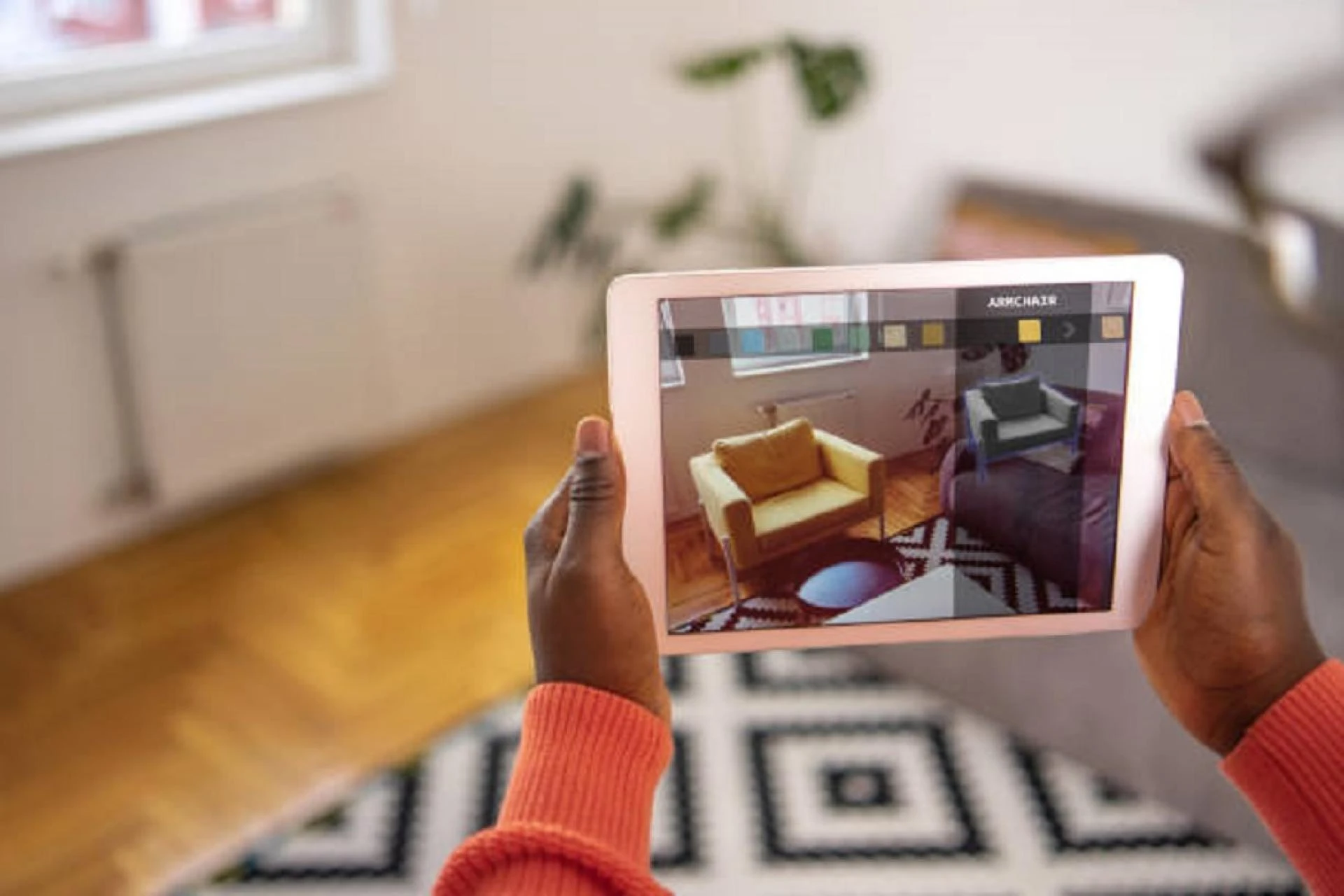
Augmented Reality (AR) has evolved from a futuristic concept into a transformative technology, reshaping how we interact with the world. Unlike Virtual Reality (VR), which immerses users in a fully digital environment, AR overlays digital information onto the physical world, enhancing real-world experiences with interactive, computer-generated content. From entertainment and education to manufacturing and healthcare, AR is revolutionising industries, reshaping consumer experiences, and driving unprecedented innovation.
In this comprehensive blog, we’ll explore how AR is impacting various sectors, its advantages and challenges, and what the future holds for this groundbreaking technology.
Understanding Augmented Reality: A Brief Overview
At its core, AR enhances the real world by superimposing digital content — images, sounds, and data — onto physical environments in real-time. This is made possible through devices like smartphones, tablets, AR glasses, and specialised headsets. Key technologies driving AR include computer vision, depth tracking, sensors, and AI-powered algorithms.
AR’s unique capability to merge the physical and digital realms has positioned it as a pivotal tool in bridging information gaps, improving efficiency, and fostering interactive experiences across industries.
Augmented Reality in Entertainment and Gaming
Immersive Gaming Experiences
AR has revolutionised mobile gaming by blending physical surroundings with digital gameplay. Titles like Pokémon GO showcased the global appeal of AR, transforming everyday environments into interactive playgrounds. This trend continues with AR-based treasure hunts, interactive board games, and multiplayer AR arenas.
Interactive Live Events
AR is enhancing live concerts, sports events, and exhibitions by offering real-time stats, immersive effects, and interactive content accessible through smartphones or AR glasses. Audiences can experience richer engagement, bridging the gap between physical attendance and digital interaction.
AR in Movies and Storytelling
Filmmakers are using AR apps to extend storytelling beyond the screen, allowing audiences to explore scenes, characters, and narratives in real-world spaces, creating a multi-dimensional cinematic experience.
AR in Education and Training
Enhanced Learning Environments
AR brings textbooks to life by enabling students to visualise complex concepts in 3D, from the human anatomy to historical landmarks. Interactive AR models foster better comprehension, engagement, and retention.
Workforce Training and Simulation
Industries like aviation, healthcare, and manufacturing leverage AR for training simulations, providing employees with hands-on, risk-free practice. AR-guided training modules reduce learning curves and improve skill acquisition.
Remote Learning and Collaboration
With AR, remote education becomes more interactive. Students can participate in virtual labs, collaborative projects, and real-time demonstrations, enhancing the quality of distance learning.
AR in Healthcare
Surgical Assistance and Planning
AR assists surgeons by overlaying critical information, such as 3D scans and anatomical guides, directly onto the patient during operations. This enhances precision, reduces risks, and shortens procedure times.
Medical Training
Medical students use AR to practice complex procedures in a simulated environment, improving their hands-on skills without endangering patients.
Patient Care and Rehabilitation
AR-based applications assist in physical therapy and rehabilitation by providing real-time feedback and gamified exercises, making recovery more engaging for patients.
AR in Retail and E-Commerce
Virtual Try-Ons
Retailers use AR to allow customers to virtually try on clothes, accessories, or makeup, enhancing online shopping experiences and reducing return rates.
In-Store Navigation and Product Information
AR apps guide customers through large retail spaces, offering product information, promotions, and personalised recommendations as they navigate the store.
Interactive Advertising and Marketing
Brands deploy AR-powered campaigns to create memorable, interactive advertisements that increase consumer engagement and brand loyalty.
AR in Real Estate and Architecture
Virtual Property Tours
AR enables potential buyers to take immersive tours of properties from anywhere, visualising furniture arrangements and interior designs in real-time.
Architectural Visualization
Architects use AR to present 3D models of their designs in actual environments, allowing clients to experience spatial layouts and aesthetics before construction begins.
Construction Assistance
AR overlays blueprints and structural details onto construction sites, helping workers execute tasks with greater accuracy and efficiency.
AR in Manufacturing and Industry
Maintenance and Repair Assistance
Technicians use AR-guided instructions and real-time data overlays to perform maintenance tasks efficiently, reducing downtime and errors.
Quality Control and Inspection
AR systems assist in quality checks by highlighting defects and deviations from standards, ensuring higher precision in production lines.
Warehouse Management
AR applications streamline inventory management, enabling workers to locate items quickly, reducing operational bottlenecks.
AR in Tourism and Cultural Preservation
Interactive Museum Exhibits Museums and cultural sites use AR to enrich visitor experiences with interactive exhibits, virtual guides, and immersive storytelling.
Augmented Travel Guides: Tourists can access AR-based guides that overlay historical facts, navigation directions, and language translations onto landmarks.
Cultural Preservation AR helps in digitally preserving endangered cultural artefacts and sites, making them accessible to future generations.
Challenges and Limitations of AR Adoption
While AR offers immense potential, it also faces several challenges:
- High Development Costs: Creating high-quality AR applications requires substantial investment in hardware and software development.
- Hardware Limitations: AR glasses and headsets are still expensive and bulky, limiting widespread adoption.
- Data Privacy and Security: As AR collects and processes real-world data, privacy concerns regarding data collection and usage arise.
- Content Availability: The lack of standardised AR content across platforms hinders seamless user experiences.
- Technical Barriers: Requires robust internet connectivity, high processing power, and advanced sensors.
The Future of Augmented Reality
The AR landscape is rapidly evolving, with advancements promising to overcome current limitations. Here’s what the future may hold:
- AR Glasses for Mass Market Companies like Apple, Google, Digilens, and Meta are investing in lightweight, stylish AR glasses designed for everyday use, which could replace smartphones as primary digital interfaces.
- 5G-Powered AR Experiences The rollout of 5G networks will enable ultra-low latency AR experiences, enhancing real-time interactivity and enabling complex applications in industries like remote surgery and live AR sports broadcasting.
- Integration with AI and Machine Learning AR systems will leverage AI to deliver context-aware, personalised experiences, learning user preferences and behaviours for more intuitive interactions.
- Expansion into the Metaverse AR will play a crucial role in the development of the metaverse, merging physical and digital spaces into shared, persistent virtual environments.
- Increased Adoption in B2B Sectors Industries like logistics, oil and gas, and emergency services will integrate AR to optimise operations, enhance safety, and improve decision-making.
Conclusion
Augmented Reality is no longer a futuristic concept confined to science fiction. It is a transformative technology reshaping industries, enriching daily experiences, and redefining human interaction with the digital world. From enhancing entertainment and education to revolutionising manufacturing and healthcare, AR is bridging the gap between imagination and reality.
As AR technology becomes more accessible and its applications more sophisticated, businesses and individuals alike must embrace its potential to stay ahead in an increasingly digital and interactive world. The AR revolution is here — and it’s just getting started.
Are you ready to explore the AR-powered future?
Stay tuned for more insights on how AR can elevate your business and everyday life!
























Sign in to leave a comment.