
Introduction
For decades, heating systems have been a cornerstone of comfort during cold months. Traditionally, they required routine servicing, manual adjustments, and constant monitoring to ensure efficiency. But in today’s fast-paced, tech-driven world, heating technology has undergone a massive transformation. Modern smart heater systems are revolutionizing the way homeowners experience warmth, blending innovation with convenience, sustainability, and cost savings.
This blog explores how smart heating systems are shaping the future of home comfort, their benefits, the importance of regular service even for advanced systems, and why embracing this technology is a step toward smarter living.
1. What Are Smart Heater Systems?
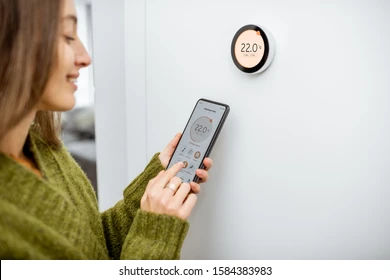
Smart heater systems go beyond the basic function of warming a space. They integrate advanced technology like Wi-Fi connectivity, sensors, AI-powered controls, and mobile app integration to provide efficient and customized heating.
Unlike conventional heaters that simply turn on and off, smart systems learn your habits, adjust automatically based on weather conditions, and allow remote control from anywhere in the world.
Some key features include:
- Smart thermostats that adapt to your daily routine.
- Zone heating to control specific rooms.
- Voice assistant integration (Alexa, Google Assistant, Siri).
- Real-time performance tracking and energy usage monitoring.
- Predictive maintenance alerts before a breakdown occurs.
2. The Shift Toward Energy Efficiency
Energy efficiency is no longer a luxury — it’s a necessity. With rising energy costs and growing awareness of climate change, smart heaters are designed to minimize waste and reduce environmental impact.
Traditional heating systems often overwork due to lack of precise controls. Smart systems, on the other hand:
- Use adaptive scheduling to avoid heating empty spaces.
- Employ sensors to maintain consistent indoor temperatures without unnecessary fluctuations.
- Provide energy usage reports, helping homeowners adjust habits.
According to recent studies, upgrading to a smart heating system can cut energy consumption by up to 25%, saving money while supporting sustainability goals. Learn more.
3. Comfort Meets Convenience
Gone are the days when you had to wake up shivering, rushing to manually switch on the heater. With smart systems, comfort is always within reach.
Examples of Smart Convenience:
- Remote Access: Adjust home temperature before you arrive from work.
- Geo-fencing Technology: Heater turns on automatically when you’re close to home.
- Voice Commands: Simply say, “Hey Google, set the living room temperature to 23°C.”
- Custom Schedules: Program the heater for weekdays and weekends differently.
This convenience makes heating not just functional, but personalized to every family’s lifestyle.
4. The Role of AI and Predictive Maintenance
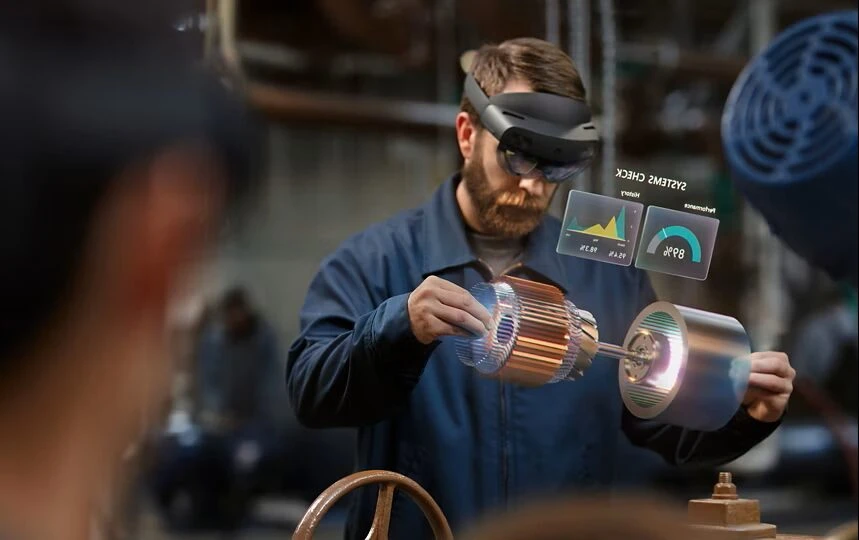
One of the most exciting aspects of smart heating is predictive maintenance. Unlike traditional systems that often fail unexpectedly, smart heaters use AI-driven diagnostics to detect early signs of wear and tear.
For example, if a fan motor is slowing down or a filter is clogged, the system can alert homeowners or even notify the service provider automatically. This reduces emergency breakdowns, lowers repair costs, and extends the heater’s lifespan.
5. Integration With Renewable Energy
Smart heating systems are increasingly designed to work in tandem with renewable energy sources like solar power. By syncing with solar panels, heaters can operate during peak sunlight hours, storing energy and reducing reliance on the grid.
This integration not only lowers utility bills but also reduces carbon footprints, making homes eco-friendly and future-ready.
6. Why Service Still Matters for Smart Heaters
It’s easy to assume that smart heaters, being advanced, don’t require much maintenance. The truth is, regular heater repair and service remain crucial.
Reasons Smart Heaters Need Service:
- Software updates must be applied for optimal performance.
- Filters, ducts, and fans still collect dust and require cleaning.
- Sensors and thermostats may lose calibration over time.
- Mechanical components like pumps, motors, and valves still face wear and tear.
Routine servicing ensures smart heaters stay reliable, efficient, and safe for long-term use.
7. Cost Considerations: Are Smart Heaters Worth It?
Smart heating systems usually come with a higher upfront cost compared to traditional heaters. However, the long-term benefits often outweigh the initial investment.
Cost Benefits Include:
- Lower monthly energy bills.
- Extended system lifespan due to predictive maintenance.
- Reduced emergency repair expenses.
- Increased property value, as smart homes are in high demand.
When calculated over 5–10 years, most homeowners find that smart heaters pay for themselves through savings and convenience.
8. Safety Enhancements in Modern Systems
Heating systems, especially gas or electric-based, carry potential risks if not maintained properly. Smart heaters are designed with safety at the forefront.
Built-in Safety Features:
- Automatic shutoff in case of overheating.
- Carbon monoxide detectors that sync with the system.
- Leak alerts for gas-powered heaters.
- Child lock features to prevent accidental changes in settings.
These features provide peace of mind, particularly for families with children or elderly members.
9. The Future of Smart Heating Technology
As technology continues to evolve, we can expect heating systems to become even more advanced. Some future trends include:
- AI-driven climate prediction: Systems will adjust heating before weather changes occur.
- Self-healing systems: Automated troubleshooting without technician involvement.
- Integration with smart grids: Optimizing power use during off-peak hours.
- Advanced eco-materials: Heaters built with sustainable, recyclable components.
In the near future, hydronic heating systems will not just respond to our needs but anticipate them proactively.
10. Choosing the Right Smart Heating System
With so many options available, choosing the right smart heating system can be overwhelming. Homeowners should consider:
- Home size and layout (important for zoning).
- Compatibility with existing HVAC infrastructure.
- Preferred smart ecosystem (Google, Apple, Amazon).
- Energy efficiency ratings.
- Warranty and service availability.
Consulting a professional ensures you select a system that matches both your comfort and budget needs.
11. The Human Touch: Why Professionals Still Matter
Even with smart technology, professional heater service technicians remain essential. While systems may alert homeowners of issues, it takes skilled technicians to:
- Diagnose mechanical problems.
- Replace faulty parts.
- Ensure compliance with safety regulations.
- Optimize system performance through fine-tuning.
Thus, smart heaters don’t eliminate the need for service — they transform it into a more proactive, data-driven process.
12. Smart Heaters in Commercial Spaces
Though much focus is on residential use, smart heating technology is also reshaping offices, schools, and commercial buildings.
Benefits include:
- Lower energy bills for large facilities.
- Better air quality control for employee health.
- Automated schedules for weekends/holidays.
- Compliance with green building standards.
This makes smart heaters an attractive investment not just for homeowners but also for businesses aiming to reduce costs and improve sustainability.
Conclusion
Heating technology has come a long way — from manual controls to automated, intelligent, and eco-friendly systems. Smart heater systems are not only redefining home comfort but also reshaping how we view energy efficiency, sustainability, and long-term cost savings.
While the upfront cost may seem significant, the combination of convenience, safety, predictive maintenance, and energy savings makes smart heating a worthwhile investment. Yet, like any advanced technology, they still require routine servicing to maintain peak performance.
As we move into a future shaped by smart homes and renewable energy, smart heater systems are paving the way for smarter, greener, and more comfortable living.

























Sign in to leave a comment.