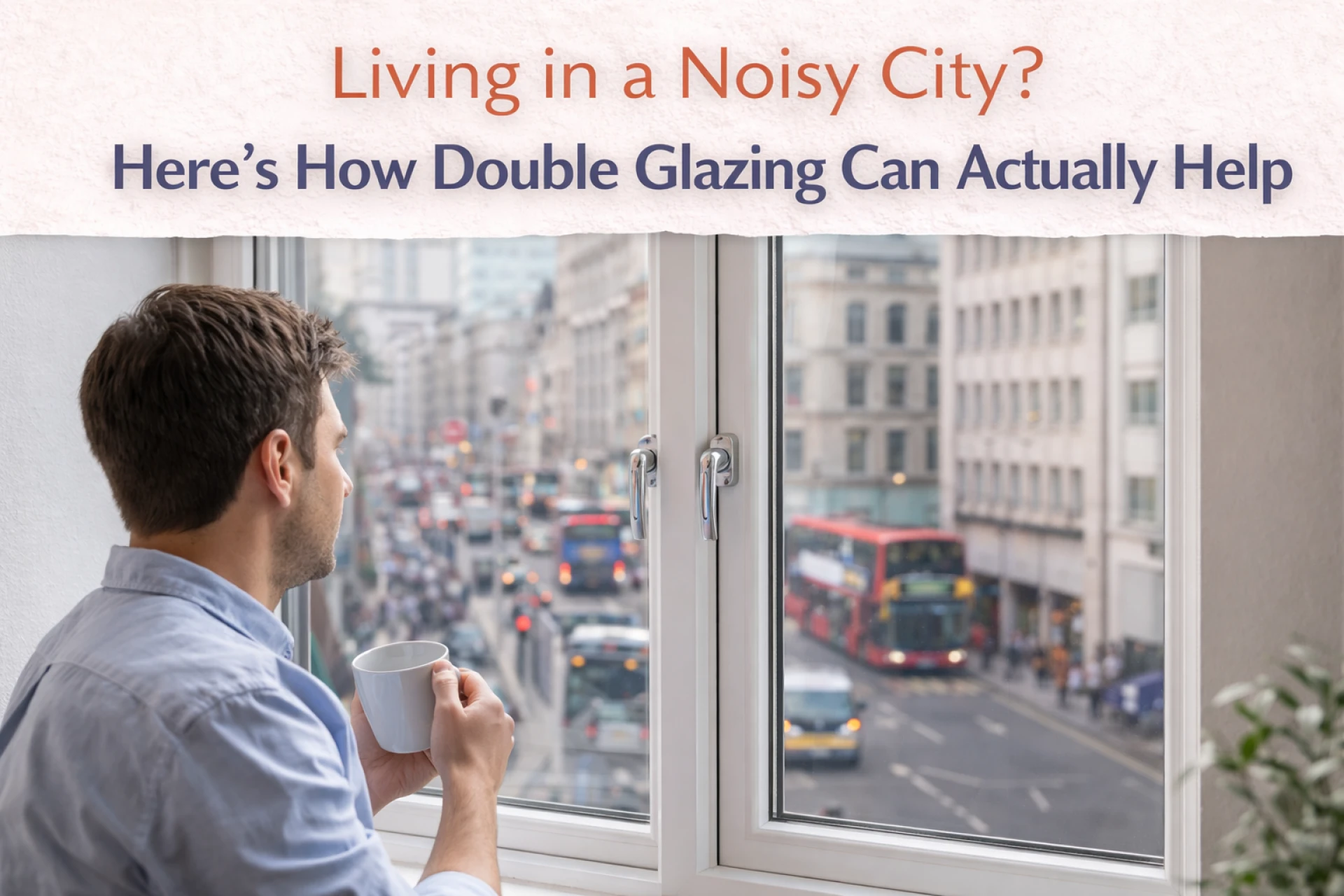

Birmingham is a city that never really switches off. Whether you live near the Middleway ring road, close to the city centre, or somewhere along a busy commuter route, noise is just part of the deal. Buses, lorries, late-night foot traffic, the distant rumble of construction... it all adds up. And after a while, it starts to wear you down.
If you've been thinking about ways to make your home quieter, double glazed window installation in Birmingham UK is probably one of the most practical things you can actually do. It won't turn your house into a recording studio, but the difference it makes to everyday noise levels is genuinely noticeable and long-lasting.
This guide explains how it works, what to look out for, and whether it's the right move for your home.
What Exactly Is Double Glazing?
Before getting into the noise side of things, it helps to understand what double glazing actually is, because a lot of people assume it's just "thicker glass," and that's not quite right.
A double glazed window is made up of two separate panes of glass with a sealed gap between them. That gap is usually filled with either air or argon gas, and it's this space that does a lot of the heavy lifting, both for keeping heat in and for keeping noise out.
Single-pane windows, which are still common in older Birmingham properties, offer very little resistance to sound. The glass is thin, there's no buffer, and external noise passes straight through. Double glazing creates a much more effective barrier, and the difference becomes obvious pretty quickly once you've had it fitted.
How Does It Actually Reduce Noise?
Sound travels in waves, and those waves lose energy every time they hit a new surface or pass through a different material. Double glazing takes advantage of this in a few straightforward ways.
Two Panes Are Better Than One
When sound from outside hits your window, it first meets the outer pane of glass. Some of that energy is reflected back, and some is absorbed by the glass itself. What remains then has to travel across the sealed gap before hitting the inner pane, and that second crossing weakens it further. By the time any noise actually reaches the inside of your home, it has lost a significant portion of its original intensity.
Think of it like closing two doors between yourself and a noisy room rather than just one. Each layer adds resistance, and the effect compounds.
The Gap in the Middle Does More Than You'd Think
The space between the two panes isn't just there for thermal insulation. It also acts as an acoustic buffer. Sound doesn't travel as easily through gas as it does through solid materials, so the gap interrupts the vibration pattern and reduces what ultimately comes through to the other side.
For the best acoustic results, the gap between panes should typically sit somewhere around 16 to 20 millimetres. Too narrow and it loses effectiveness. Too wide and it can actually start to create its own resonance issues. Getting this detail right is one of the reasons why professional installation genuinely matters.
What This Means in Real, Everyday Terms
In a typical urban street in Birmingham, ambient noise levels during busy periods can easily sit between 70 and 85 decibels, roughly the same volume as a loud conversation right next to your ear, sustained for hours on end. Well-fitted double glazing can bring the noise reaching your ears down by around 20 to 30 decibels. That's not total silence, but it takes a genuinely intrusive sound level down to something far more manageable and easier to live with day to day.
Which Type of Glass Gives the Best Results?
Standard double glazing already makes a real improvement over single-pane windows, but if noise is your main concern, it's worth knowing that more specialised options are available and in some situations they are well worth considering.
Laminated Glass
Laminated glass has a thin interlayer, usually a type of plastic film, bonded between the glass layers during manufacturing. This interlayer absorbs sound vibrations rather than simply passing them on, which makes it noticeably more effective at handling noise than regular glass. It's widely used in buildings situated close to busy roads, rail lines, or areas with consistent background noise.
Asymmetric Glass Thickness
Most standard double glazed units use two panes of identical thickness. However, sound waves at different frequencies are blocked more effectively by different thicknesses of glass. Using two panes that aren't the same thickness helps the window intercept a broader range of frequencies, which in practice means less of the general hum and rumble of city life makes it through to your living space.
Acoustic Double Glazing
Some manufacturers produce units specifically designed around noise reduction. These typically combine laminated glass with an optimised gap size and are independently tested to specific acoustic performance ratings. They cost more than standard double glazing, but if you live somewhere genuinely noisy near a main road, a train line, or a busy entertainment area, the additional investment is often worth serious consideration.
Don't Overlook the Seals and Frames
Here's something that often gets overlooked when people research double glazing. Even the best glass won't perform properly if the installation isn't carried out correctly. Noise doesn't only come through the glass itself. It also finds its way in around the edges, through gaps between the frame and the surrounding wall, or via poorly fitted seals that degrade over time.
Good quality double glazed units use compression seals and multi-point gaskets to create a consistently tight, airtight fit around the entire frame. The frame material matters too. uPVC and aluminium are both commonly used in Birmingham homes, and both can perform well when they're correctly specified and properly installed.
The key takeaway here is straightforward. Whoever fits your windows needs to know what they're doing. A poorly sealed frame can undo a significant portion of the benefit that high-quality glass provides, which is why working with experienced and knowledgeable installers is genuinely important rather than just a box-ticking exercise.
Why This Matters Specifically in Birmingham
Every city has its own noise profile, and Birmingham's is particularly varied. The road network is extensive, with major routes cutting directly through residential neighbourhoods. The West Midlands Metro and local rail services add a consistent layer of background noise across many parts of the city. Areas like Broad Street, Digbeth, and the Arcadian create very different noise challenges at night compared to quieter suburban streets further out.
This is precisely why double glazed window installation in Birmingham UK has become an increasingly common upgrade for homeowners across the city. Whether the problem is low-frequency traffic rumble, sharp urban sounds like sirens and horns, or the steady background hum that comes with living near a busy junction or commercial area, the right double glazing setup can make a meaningful difference to how comfortable your home actually feels to live in.
For people who work from home, which is now a permanent reality for a large number of Birmingham residents, reducing that background noise isn't just about comfort. It can have a direct impact on focus, concentration, and productivity throughout the working day.
Other Good Reasons to Consider Double Glazing
Noise reduction is a compelling reason on its own, but it's worth briefly covering the other benefits that come with double glazing, because they add up to a genuinely well-rounded home improvement.
Energy efficiency is the most talked-about advantage. Double glazed windows retain indoor heat far more effectively than single-pane units, which means your boiler doesn't need to work as hard to maintain a comfortable temperature. Across a typical Birmingham winter, that translates to a real and noticeable reduction in heating bills.
Home security also improves with double glazing. Double glazed units are significantly harder to break through than single-pane windows, and most modern systems come fitted with multi-point locking mechanisms as standard. It's not the most exciting feature to consider, but it's a practical one.
Condensation is another issue that double glazing addresses well. In older properties with single-pane windows, moisture forming on the inside of the glass during cold weather is a familiar problem, one that can eventually contribute to damp patches and mould growth on surrounding walls. Because the inner pane of a double glazed unit stays warmer, condensation becomes far less common.
From a property value perspective, double glazing is considered a standard feature in most modern homes. Properties that still have single-pane windows can be at a disadvantage in Birmingham's sales and rental markets, so upgrading is often a sensible long-term decision both financially and practically.
How to Get the Best Results
If noise reduction is your main reason for investing in double glazed window installation in Birmingham UK, a few practical details are worth paying attention to before you commit to a particular product or installer.
Start with the glass itself. Laminated glass is worth the extra cost, especially on windows that directly face a busy street or a particularly noisy direction. If your installer offers asymmetric pane thickness, where the two panes are slightly different thicknesses, that's worth asking about too, as it helps block a wider range of sound frequencies. Also confirm that the gap between the panes falls within the recommended range, typically 16 to 20 millimetres, since this has a direct impact on acoustic performance.
Beyond the glass, the quality of the installation matters just as much. A well-specified window fitted poorly will underperform every time. Look for installers with hands-on experience in acoustic performance, not just general window fitting. The right combination of quality materials, correctly sized frames, and careful sealing is ultimately what determines how much of that outside noise actually stays outside.
Final Thoughts
Living with constant urban noise is something most people gradually adjust to, but that doesn't mean it has to be the permanent reality inside your own home. Double glazed window installation in Birmingham UK is one of the more practical and lasting improvements you can make to a property, with benefits that stretch well beyond just sound reduction.
The science behind it is straightforward, but the details genuinely matter. The type of glass you choose, the size of the gap between panes, the quality of the frames, and the standard of installation all play a direct role in how well your windows actually perform once they're in place. Get those things right, and the improvement to daily life inside your home, including quieter rooms, lower heating bills, less condensation, and better security, can be quite significant.



























Sign in to leave a comment.