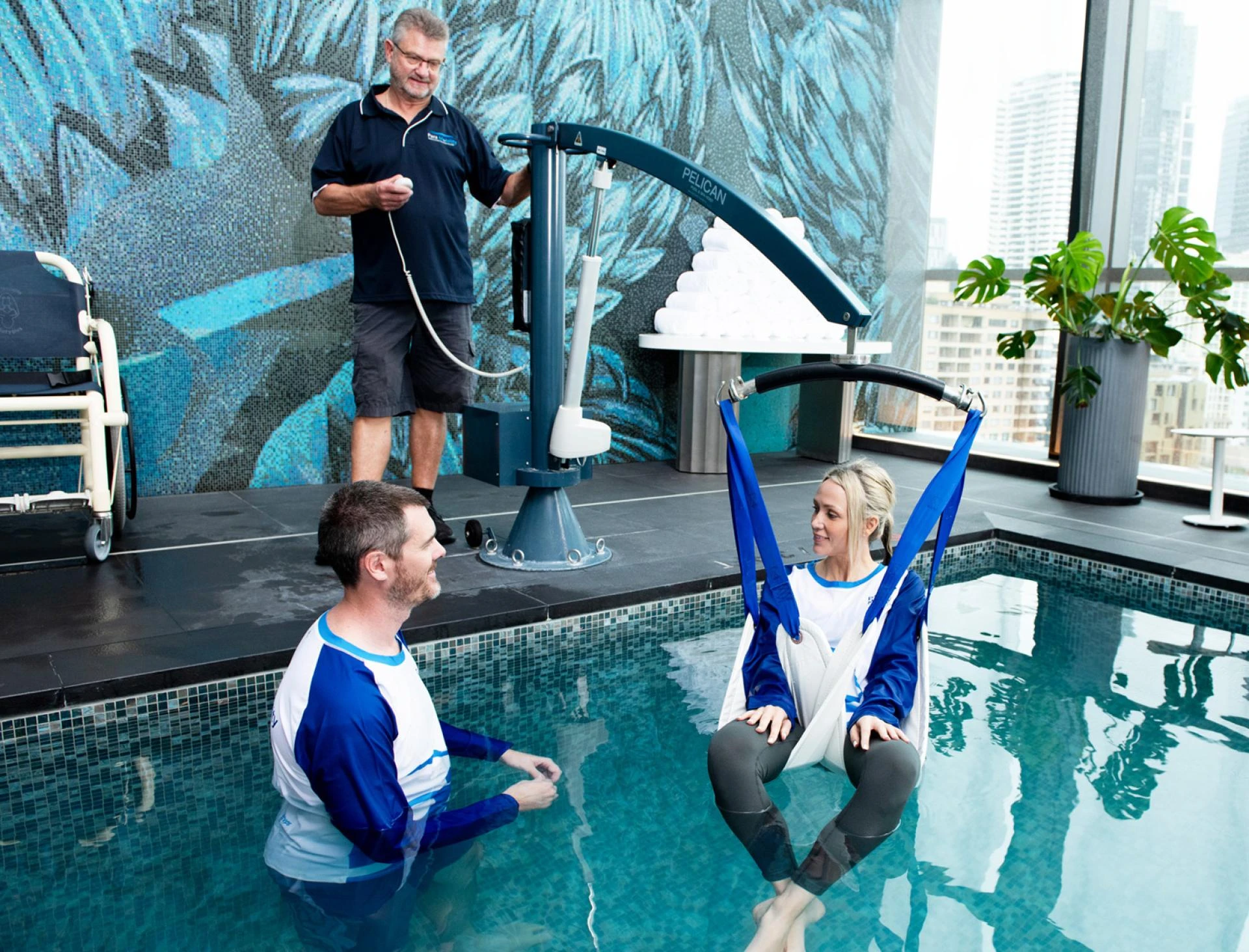

In a world that is rapidly evolving with technological advancements, the realm of adaptive disability equipment in Australia has experienced a remarkable transformation. Individuals with disabilities now have access to tools and devices that not only improve their daily lives but also promote greater independence and autonomy. These innovations in assistive technology offer tailored solutions to meet diverse needs, creating a world where people can live more freely and with fewer limitations.
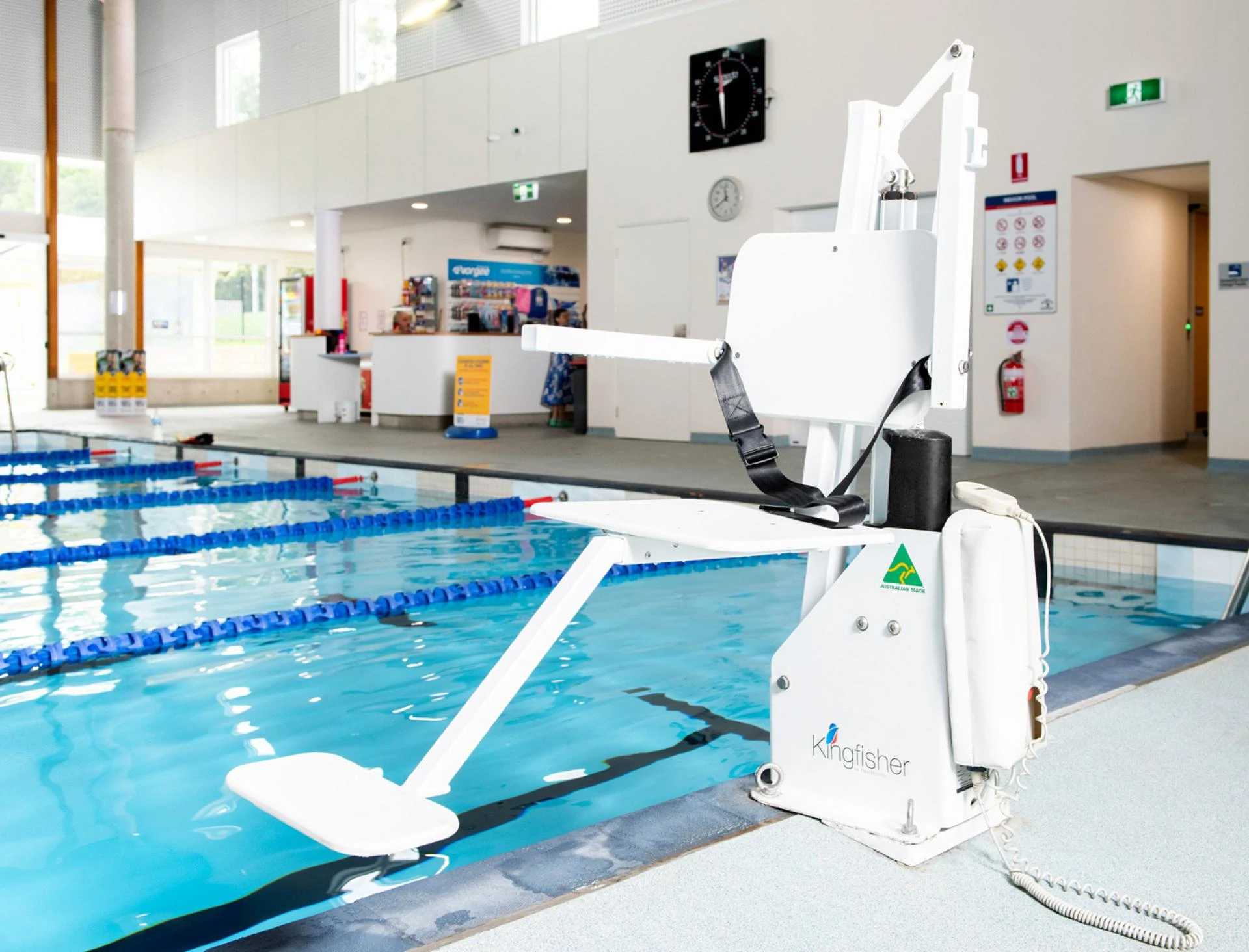
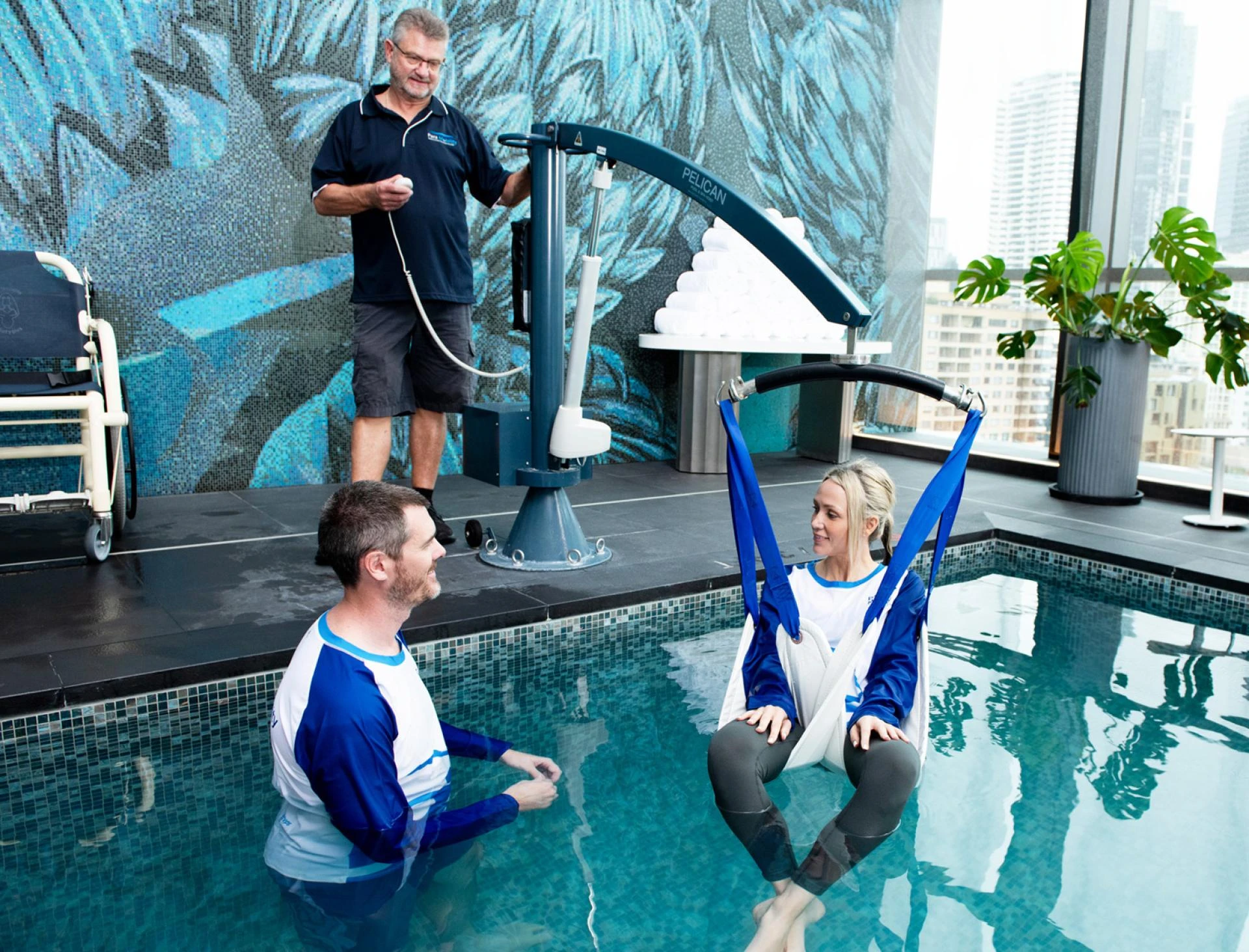
Adaptive disability equipment refers to devices or tools designed to help individuals with physical, sensory, cognitive, or developmental disabilities carry out everyday tasks with greater ease. These solutions range from simple aids to complex technological systems, but all share the common goal of enhancing quality of life. They provide people with the ability to perform activities that might otherwise be challenging, from moving around the home to communicating with others.
One of the most impactful areas where adaptive equipment has made a difference is mobility. Powered wheelchairs, motorised scooters, and prosthetic limbs are all examples of devices that enable individuals with mobility impairments to regain their freedom. These technologies have evolved considerably over the years, with features such as adjustable seating, enhanced manoeuvrability, and even integration with artificial intelligence (AI) for smoother operation. Some modern mobility aids can even learn user habits and preferences, adjusting automatically to make travel more comfortable and efficient.
Equally important are communication devices. For individuals with speech or hearing impairments, speech-generating devices (SGDs) and hearing aids provide essential ways to connect with others. These devices are incredibly diverse, from sophisticated eye-tracking systems for people who cannot speak or use their hands, to hearing aids with real-time speech-to-text translation. The advent of AI and machine learning has played a major role in improving the effectiveness of these tools, making it easier for users to communicate in real-time and engage in social interactions more naturally.
For those with visual impairments, adaptive disability equipment offers solutions that bridge the gap between independence and reliance. Technologies like screen readers, braille displays, and navigational aids have opened up opportunities that were previously out of reach. Wearable devices such as smart glasses, for instance, can help individuals navigate unfamiliar environments by providing auditory feedback on their surroundings. Some of these devices even have built-in object recognition, which can describe the world around them in detail, empowering users to engage with the environment independently.
Cognitive disabilities are another area where assistive technology has proven revolutionary. Apps and devices designed to support memory, concentration, and organisation can assist individuals with conditions such as autism, ADHD, or dementia. For example, apps that provide reminders for daily tasks, medication schedules, or social cues can alleviate the stress of managing day-to-day activities. Furthermore, virtual assistants equipped with voice recognition allow individuals to control their environment, from adjusting the temperature to calling a family member, all without needing to touch physical objects.
The customisation of assistive devices is a key factor in their success. With personalised solutions tailored to an individual's specific needs, people with disabilities can experience greater ease in adapting to new technologies. From the design of prosthetics to software tailored to individual preferences, the flexibility of these devices ensures that people can find the right fit for their unique challenges. Many companies now focus on providing bespoke solutions, offering users the ability to select or modify components for the highest level of comfort and functionality.
Finally, adaptive disability equipment Australia has revolutionised how individuals with disabilities engage with the world, giving them more control over their lives and fostering greater independence. Innovations in mobility aids, communication devices, and cognitive assistance have brought accessibility to the forefront of everyday life, ensuring that people of all abilities can live fully and independently.
























Sign in to leave a comment.