

For individuals living with disabilities, independence is not just about mobility - it is about dignity, confidence, and the ability to participate more fully in daily life. A hoist for disability, whether used at home, in healthcare facilities, or in community settings, can play a vital role in achieving that independence. Selecting the right hoist, however, requires careful consideration of personal needs, living arrangements, and available support.
What is a Hoist?
A hoist is essentially a lifting device designed to help transfer a person safely and comfortably from one place to another. This might mean moving from a bed to a wheelchair, from a wheelchair to a bath, or even between rooms. While the function is simple, the variety of designs, features, and settings makes the decision process more complex. Understanding the different types and how they align with specific requirements is the first step.
Types of Hoists to Consider
Broadly, hoists fall into two main categories: mobile and fixed. Mobile hoists are free-standing units that can be wheeled into different rooms. They are flexible, relatively affordable, and often suitable for home use. Fixed hoists, on the other hand, are installed permanently, either mounted on the ceiling or wall. While these require professional installation, they provide smoother, faster transfers and are ideal for spaces where frequent lifting is required.
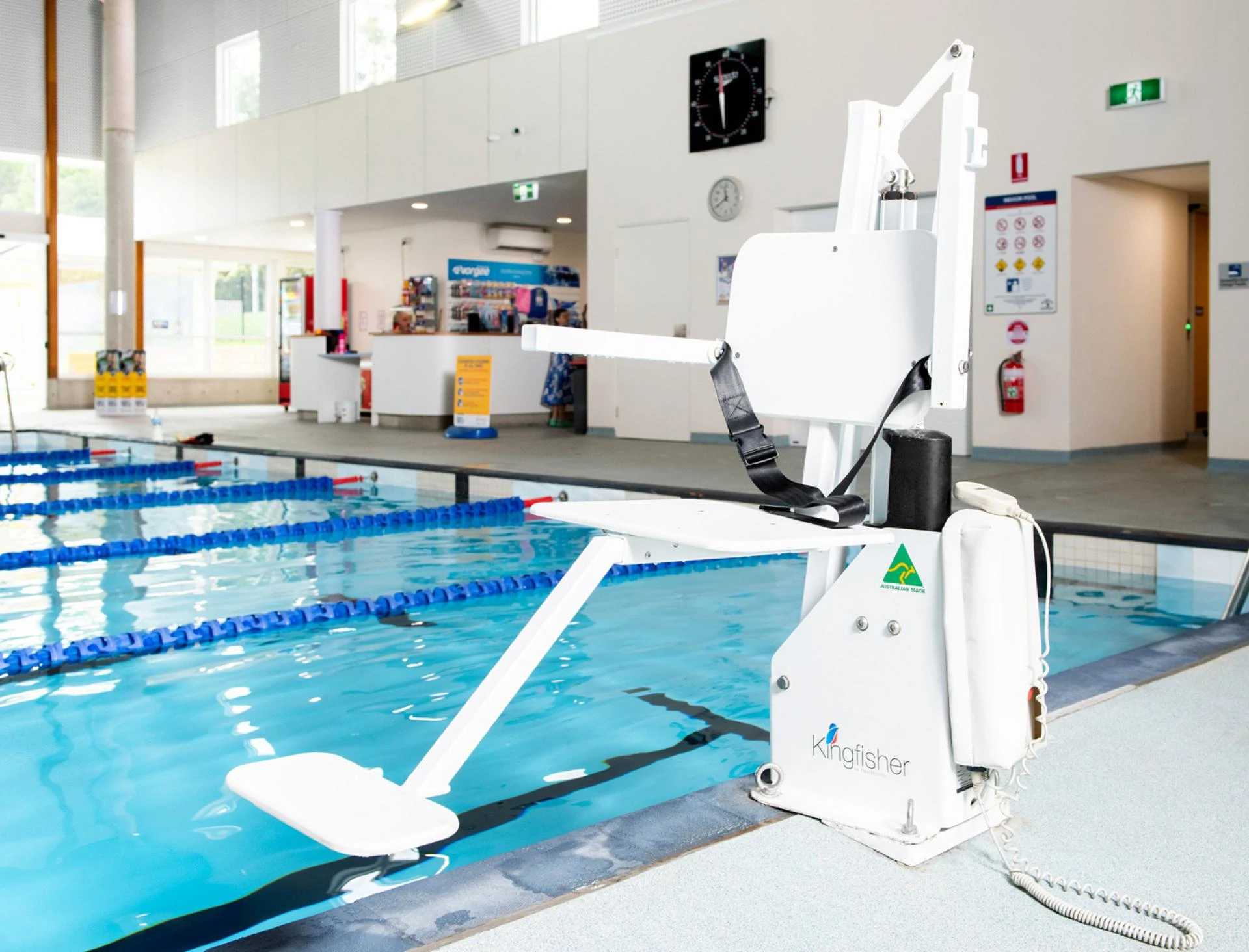
Within these categories, there are variations such as pool hoists, standing aids, and bariatric hoists designed for heavier users. Each type serves a specific purpose, which is why matching the hoist to the environment and the person’s mobility level is crucial.
Key Features to Look For
Beyond the type of hoist, several features determine whether it will truly enhance independence. Weight capacity is one of the most important, as choosing a device unsuited to the user’s body type can be unsafe. Sling compatibility is another factor; slings come in different shapes and materials, offering varying levels of support depending on whether a user can sit upright or needs full-body assistance.
Ease of use is equally vital. Some hoists are powered electronically, allowing caregivers to lift with the touch of a button, while others are manually operated. For individuals with progressive conditions, opting for an electronic version may provide longer-term flexibility. Safety mechanisms, such as emergency lowering systems and brakes, should also not be overlooked.
Considering the Environment
Where the hoist will be used often determines the most suitable model. For example, narrow hallways and small bathrooms may make a mobile hoist difficult to manoeuvre. In such cases, a ceiling track hoist could be more practical. Conversely, in a home where the hoist needs to be moved across multiple rooms, portability is a major advantage.
It is also important to think ahead. A person’s mobility needs may change over time, so choosing a system that can adapt - through interchangeable slings or modular track extensions - can prevent the need for frequent replacements.
Balancing Cost and Value
Price is often a major consideration. While some hoists can be expensive, it is worth viewing them as an investment in safety and independence. Grants, charitable funding, and government support schemes are sometimes available, reducing the financial burden.
The real value of a hoist lies not only in making transfers easier but also in reducing the risk of injury for both the user and their caregiver. By minimising strain, hoists help sustain long-term independence and allow individuals to remain in their preferred living environment for longer.
Final Thoughts
Choosing a hoist for disability is not simply about selecting equipment - it is about enabling a person to live more freely, with safety and dignity at the forefront. From the type of hoist to its features, environment, and long-term adaptability, every detail contributes to the quality of life it supports. By carefully weighing these factors and seeking professional guidance, families and individuals can make a decision that empowers independence in the truest sense.































Sign in to leave a comment.