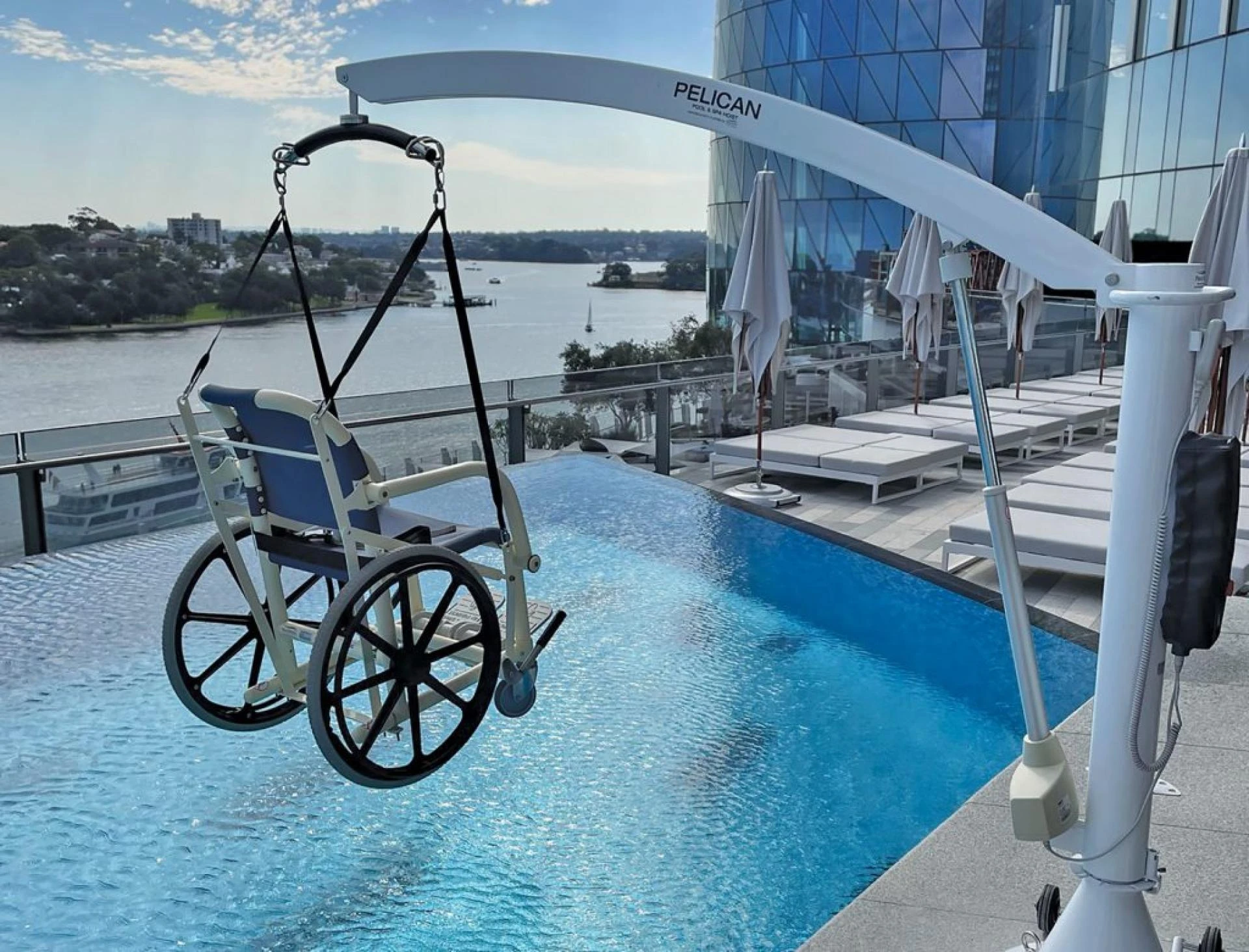

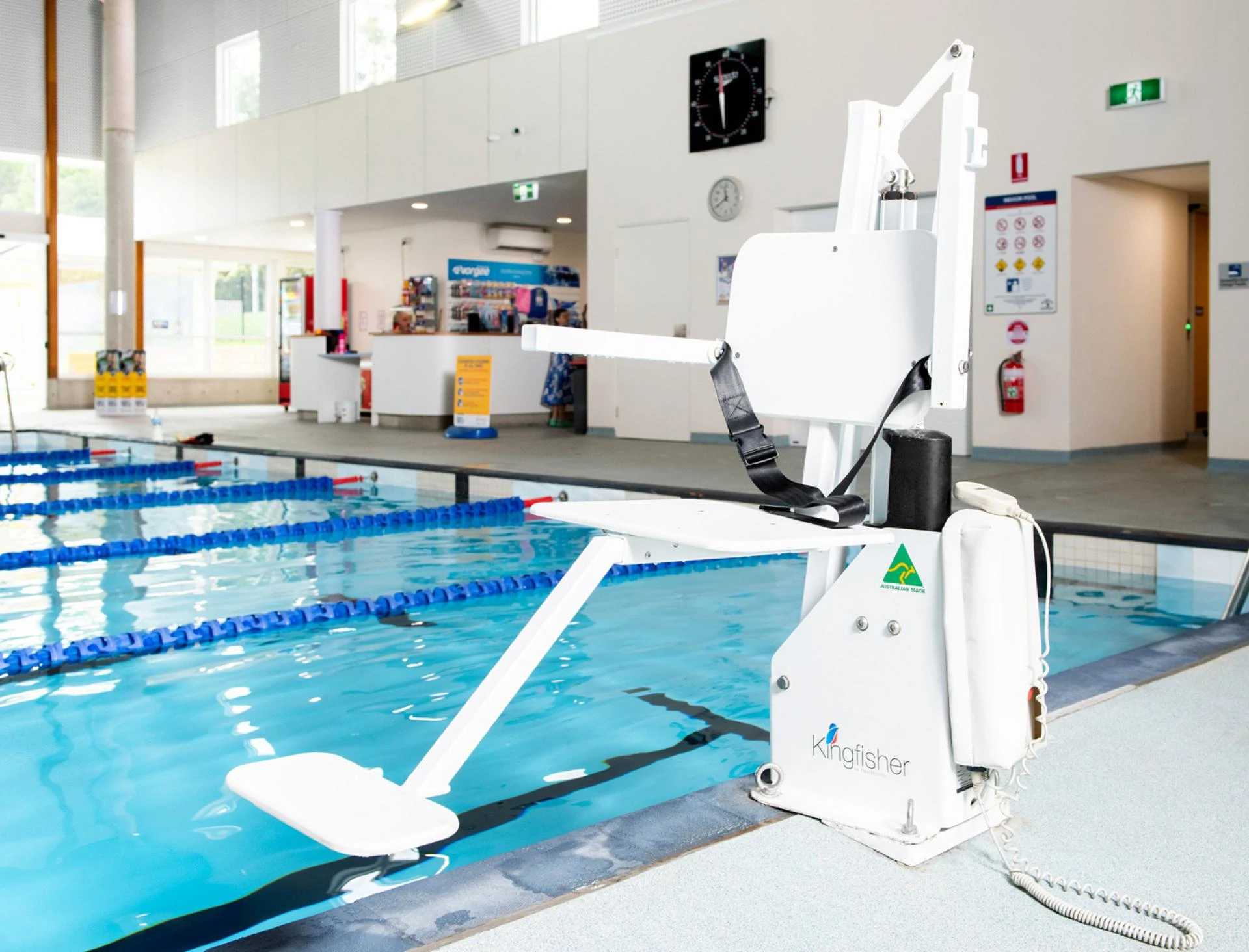
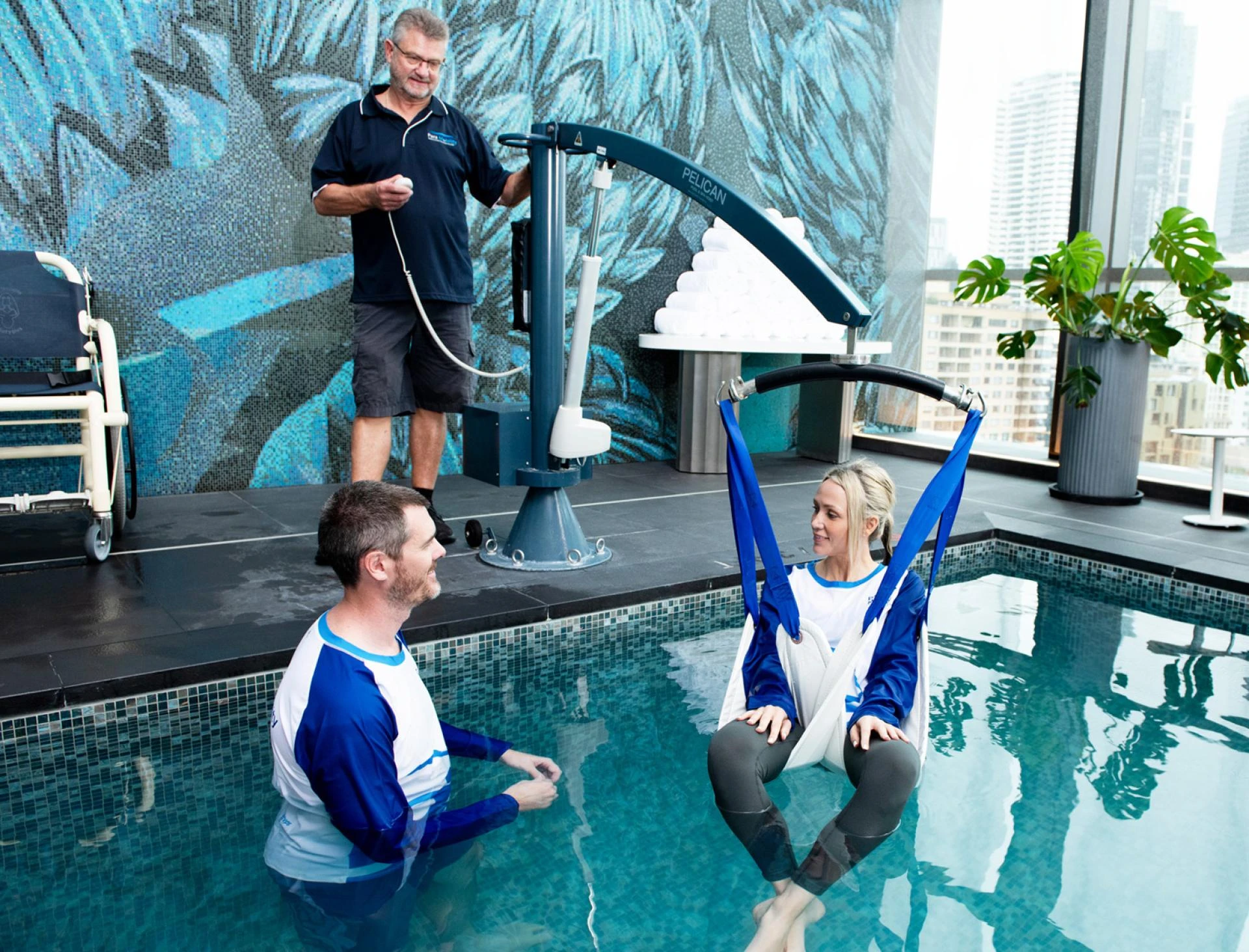
Installing a hoist for your swimming pool means far more than simply adding a piece of equipment - it directly elevates access, enjoyment and safety. A swimming pool hoist allows individuals with mobility challenges (wheelchair users, seniors, or those in rehabilitation) to enter and exit the water independently or with minimal assistance. Beyond accessibility, it opens the pool experience to a wider audience, making the space more inclusive and welcoming.
Key benefits include:
- Smooth and safe transition from wheelchair to water
- Increased independence for individuals with mobility limitations
- Broader usability of pool facilities for all age groups and abilities
- Enhanced community image through inclusivity
Health, Wellness and Leisure Benefits
Swimming is celebrated for its low-impact, full-body benefits - ideal for those recovering from injury, managing chronic conditions or simply seeking gentle exercise.
Key health and wellness advantages include:
- Greater access to therapeutic and rehabilitative aquatic exercise
- Reduced joint stress compared with weight-bearing workouts
- Enhanced mental well-being through inclusive recreation
- Increased usage rate of the pool facility by a broader population
Safety, Independence and Inclusion
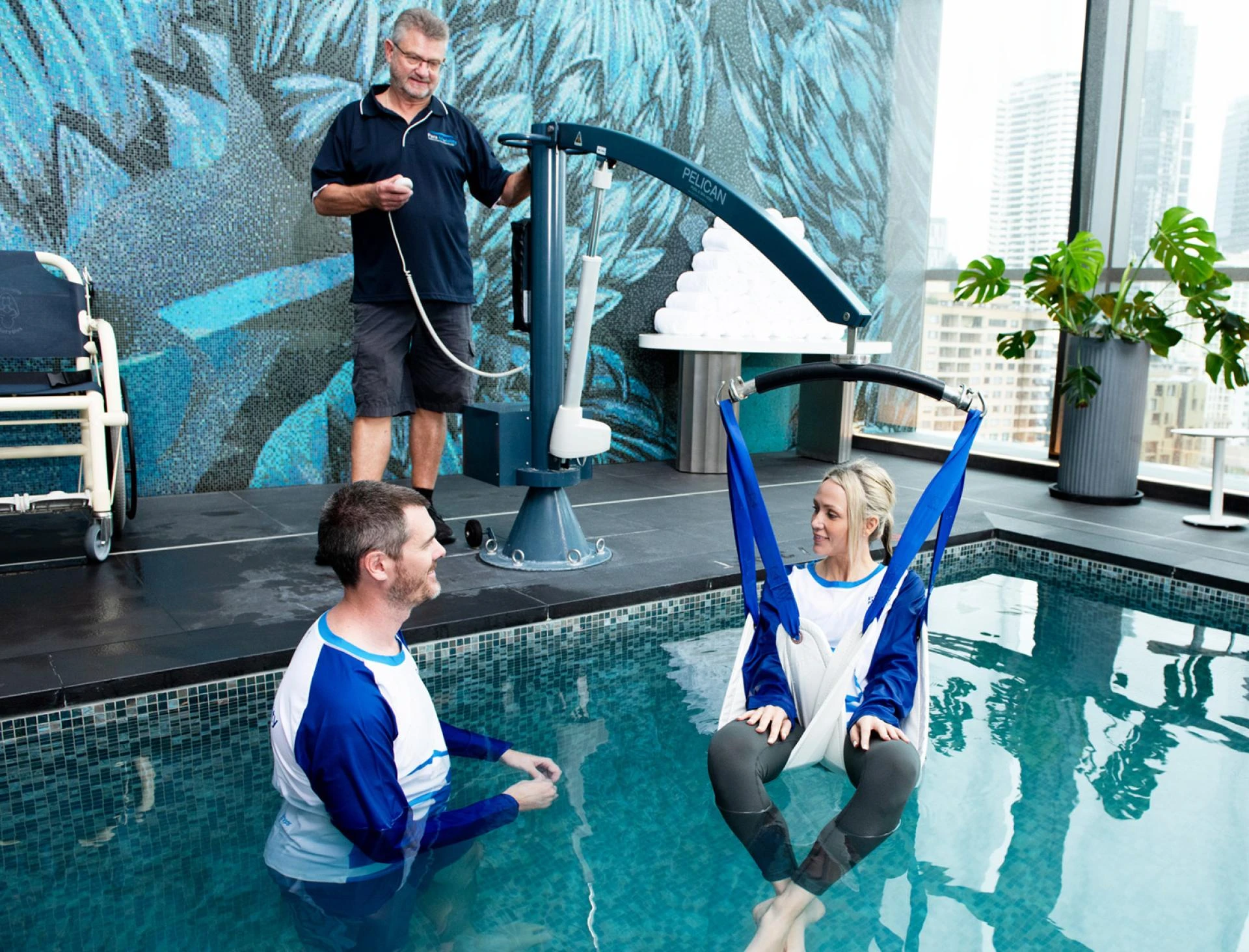
When mobility is limited, entering or exiting a pool becomes a barrier - not just physically, but socially and emotionally. Installing a pool hoist removes that barrier. Hoists are designed to be stable, controlled and to minimise risk for both the user and any assisting caregiver.
Inclusion and safety benefits at a glance:
- Secure lift mechanism with proper anchoring and controls
- Improved dignity and autonomy for the user
- Reduced dependence on staff or carers for pool access
- Compliance with accessibility standards and broader community expectations
Planning and Practical Considerations
While the value is clear, implementing a hoist effectively requires planning: selecting the right type, ensuring correct installation, ongoing maintenance, and aligning with facility use. Different models suit different needs - fixed vs mobile, deck-mounted vs portable, various weight capacities and anchoring systems.
Key implementation factors to consider:
- Assess user profiles (mobility level, weight, assistance needs)
- Select a hoist rated for the appropriate load capacity
- Factor in deck space, clearance, electrical/battery power and maintenance access
- Choose a vendor and installer with proven credentials in aquatic accessibility
Cost-Benefit and Long-Term Value
Cost-related advantages:
- Higher utilisation of facilities
- Fewer risks and liability concerns
- Enhanced public reputation
- Long-term ROI through broader access and repeat usage
The upfront cost of a swimming pool hoist may be significant, but when you consider the expanded user base, added community goodwill, increased facility utilisation and risk mitigation, the return is strong. A facility that advertises inclusive design may also see higher membership or visitation rates from groups that previously felt excluded.























Sign in to leave a comment.