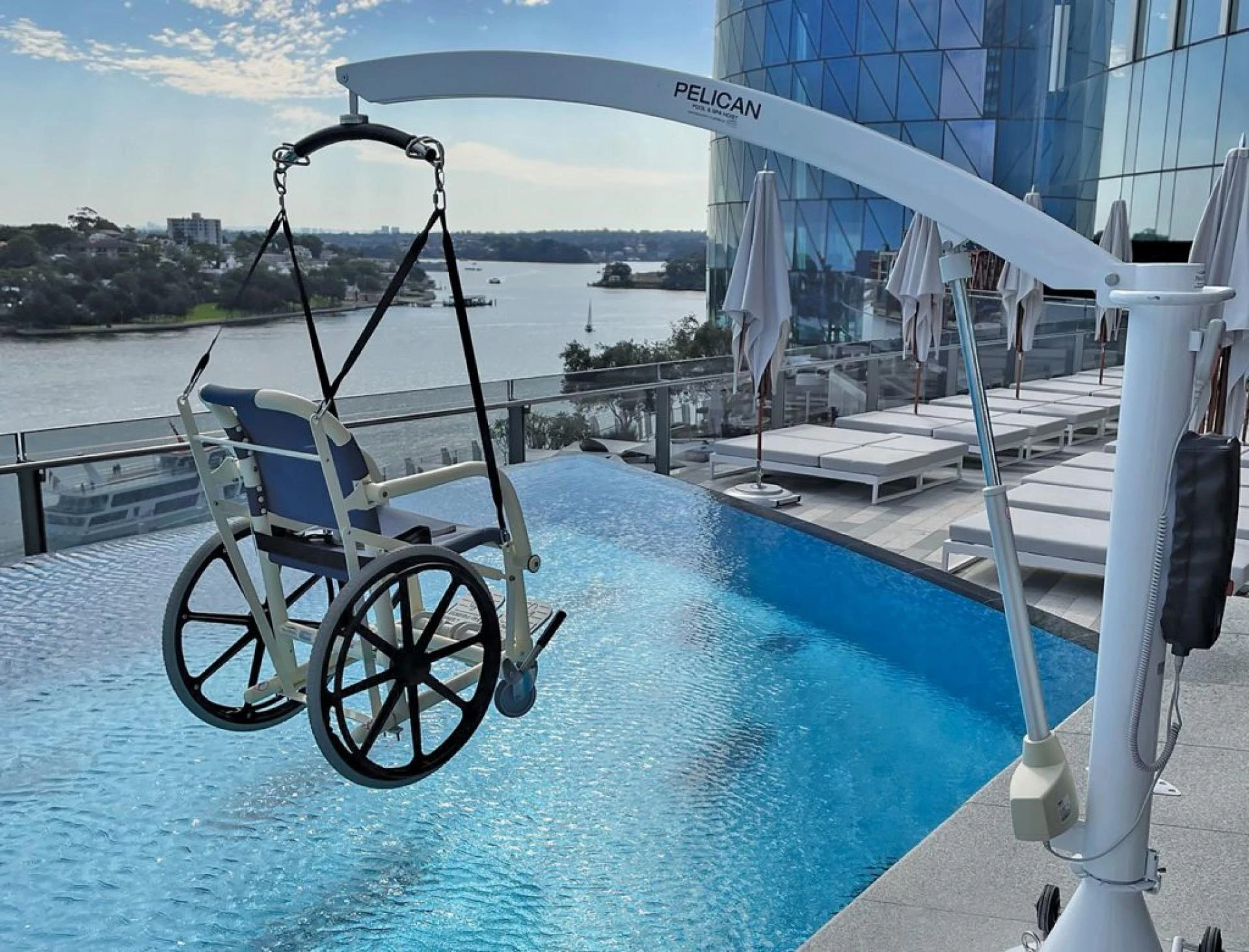

For many individuals with mobility challenges, water offers a unique sense of freedom and therapeutic benefit. Swimming, water therapy, and even beach outings can significantly improve physical health and emotional well-being. Yet, accessing pools, beaches, or aquatic centres often presents difficulties when using a standard wheelchair. A specialised aquatic wheelchair bridges this gap, offering comfort, safety, and independence in aquatic environments. With this innovative mobility aid, people can fully participate in water-based activities and experience the joy of movement without barriers.
What Are Aquatic Wheelchairs?
Aquatic wheelchairs are designed specifically for use in and around water. Constructed from rust-resistant materials such as stainless steel, PVC, or lightweight aluminium, these wheelchairs withstand prolonged exposure to moisture without corrosion. Their design typically includes buoyant and non-slip components, allowing easy entry into pools or seamless movement across sandy beaches. Many models also feature large, balloon-style tyres that glide smoothly over soft or uneven terrain, making them suitable for both recreational and therapeutic settings.
Advantages of Wheelchairs for the Water
One of the most valuable advantages of aquatic wheelchairs is their ability to promote accessibility and inclusivity. Traditional wheelchairs, though effective on dry land, are not equipped to handle wet environments. As a result, individuals with disabilities often rely on assistance to reach the water or participate in aquatic exercises. A specialised aquatic wheelchair restores independence, enabling users to transition from dry areas to the water’s edge and beyond with minimal support. This empowerment fosters confidence, dignity, and a greater sense of participation in shared recreational experiences.
Health Benefits of Water Activities
Water-based activities provide numerous physical and mental health benefits. The buoyancy of water reduces pressure on joints, allowing gentle yet effective exercise for individuals recovering from injury or managing chronic conditions such as arthritis or cerebral palsy. Using an aquatic wheelchair enables safe access to these therapeutic environments. Whether engaging in hydrotherapy sessions, adaptive swimming lessons, or family beach outings, users can enjoy improved mobility, muscle tone, and relaxation. Moreover, spending time in water has been shown to reduce stress and promote mental well-being, adding a holistic advantage to aquatic mobility.
Safety Considerations
Safety is a key design consideration in aquatic wheelchairs. Features such as secure seat belts, anti-tip mechanisms, and corrosion-resistant frames ensure stability and durability even in dynamic water conditions. Many models have removable armrests and adjustable footrests to accommodate different users comfortably. Drainage holes in the seat prevent water accumulation, while ergonomic designs make it easier for caregivers to assist when necessary. These thoughtful elements ensure that users not only feel safe but also enjoy a comfortable and supportive experience in every aquatic environment.
Benefits for Carers
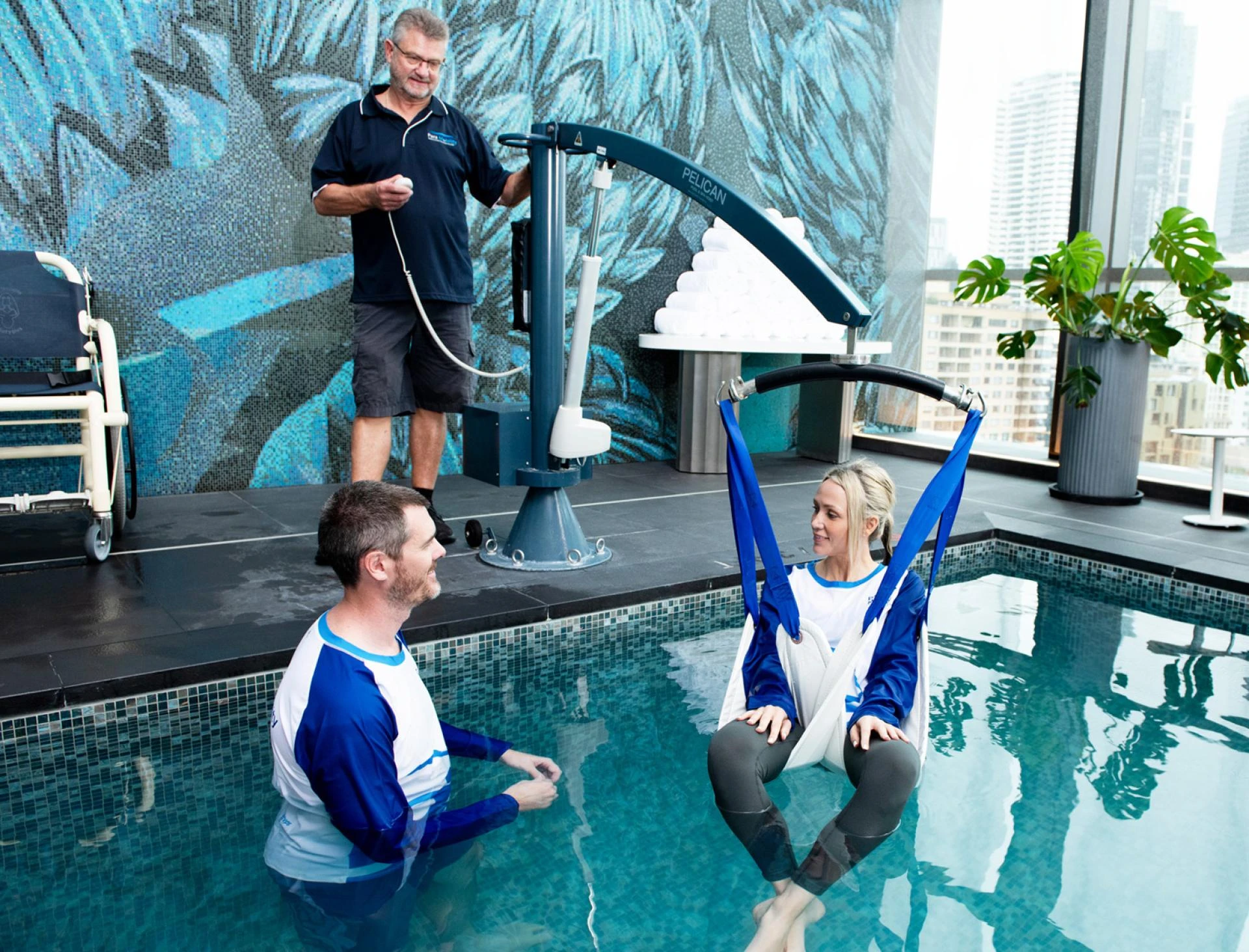
For caregivers and facilities, aquatic wheelchairs also provide convenience and versatility. They simplify pool transfers, reduce strain during patient handling, and help ensure compliance with accessibility regulations at public aquatic centres. Many institutions - such as rehabilitation clinics, spas, and resorts - invest in aquatic wheelchairs to provide inclusive services and enhance visitor satisfaction. Having these mobility aids available signals a commitment to accessibility and social responsibility, making aquatic spaces more welcoming to everyone.
Innovations
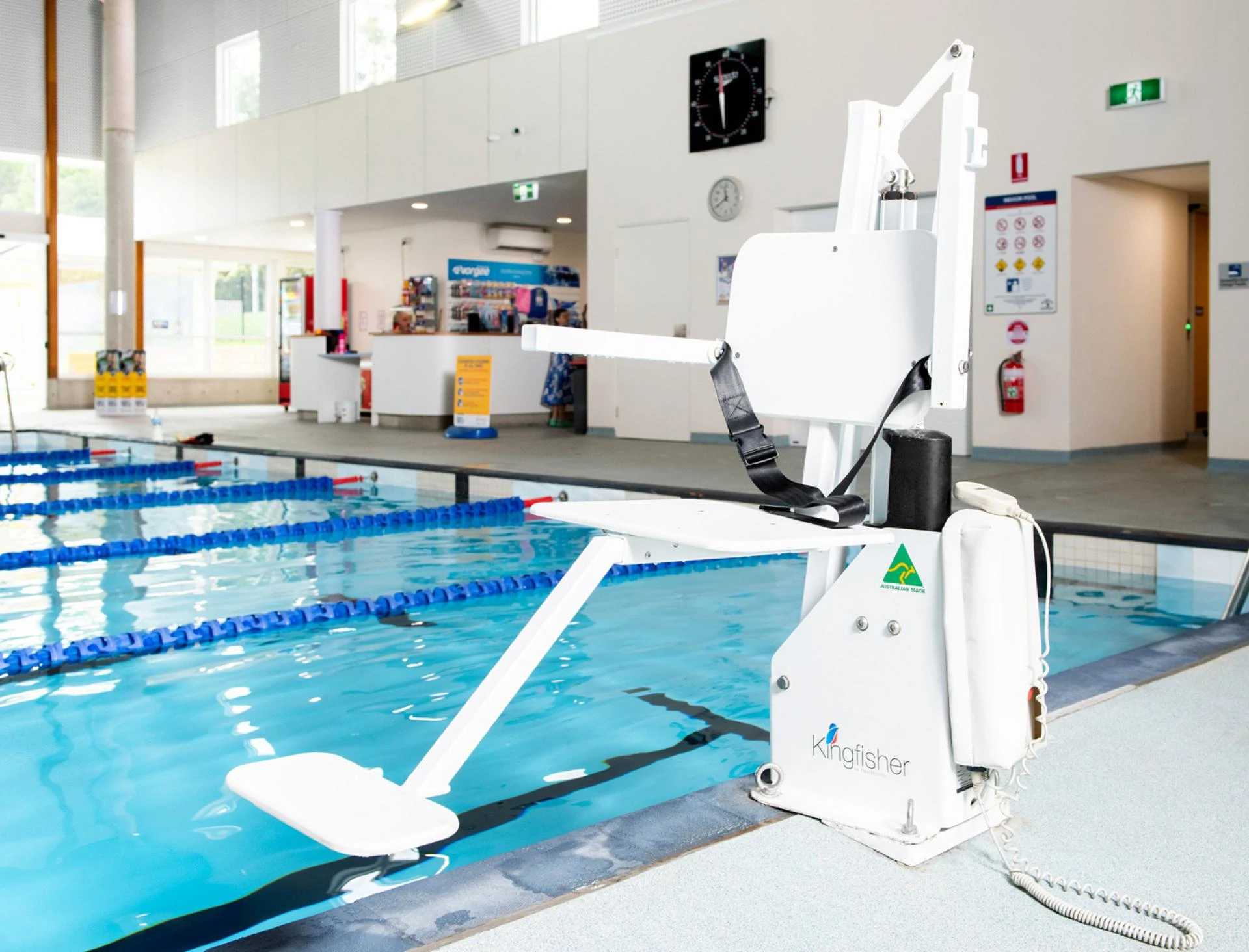
In recent years, manufacturers have focused much more on improving both functionality and aesthetics. Modern aquatic wheelchairs are lightweight, easy to manoeuvre, and available in various sizes for children and adults. Some models include detachable components for easier transport and storage, while others are compatible with pool lifts or ramps. As technology advances, innovative materials and ergonomic enhancements continue to make aquatic mobility safer and more enjoyable. This evolution ensures that more people can engage in aquatic recreation without limitations.
Conclusion
A specialised aquatic wheelchair is more than a mobility aid; it’s a gateway to freedom, recreation, and rehabilitation. Designed for safety, comfort, and durability, it empowers individuals with mobility challenges to enjoy water-based activities independently and confidently. By ensuring accessibility in pools, beaches, and therapy environments, aquatic wheelchairs promote inclusion and enhance overall well-being.


























Sign in to leave a comment.