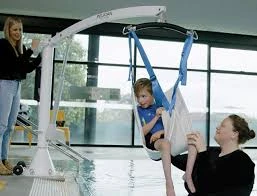

Mobility challenges can have a profound impact on the lives of individuals with disabilities. These challenges often limit access to basic daily activities, independence, and overall quality of life. However, modern innovations in top disabled lifting equipment have revolutionised the way society approaches mobility issues. With the advent of specially designed lifting devices, people with mobility impairments now have access to safer, more efficient ways to move in and out of beds, chairs, vehicles, and other everyday environments.
Disabled lifting equipment includes a wide range of devices developed to assist caregivers and users in lifting, transferring, and repositioning individuals with limited mobility. These tools are crucial not only in healthcare facilities and nursing homes but also in private residences where family members may act as caregivers. The variety of lifting solutions available today ensures that individuals can live with greater comfort and dignity.
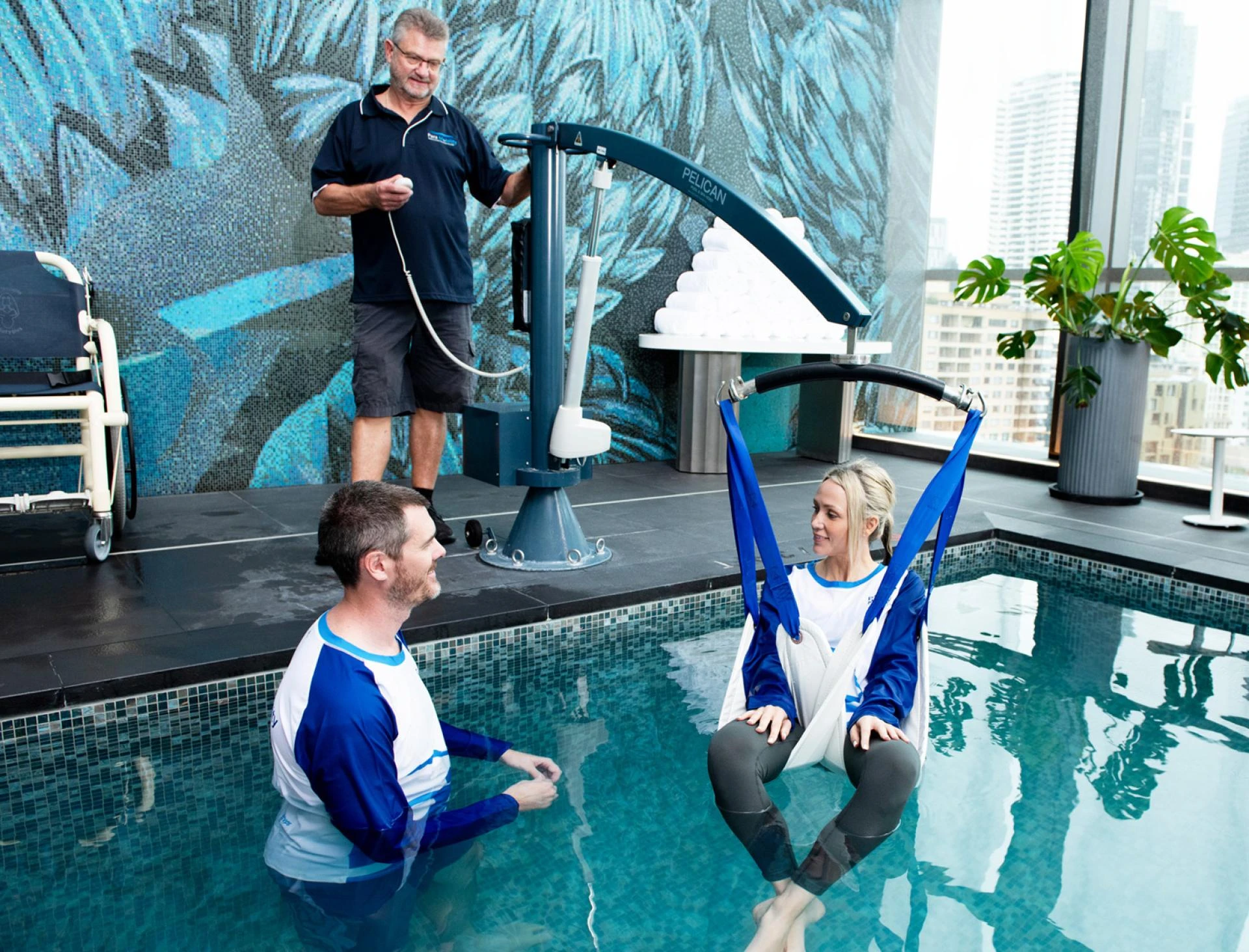
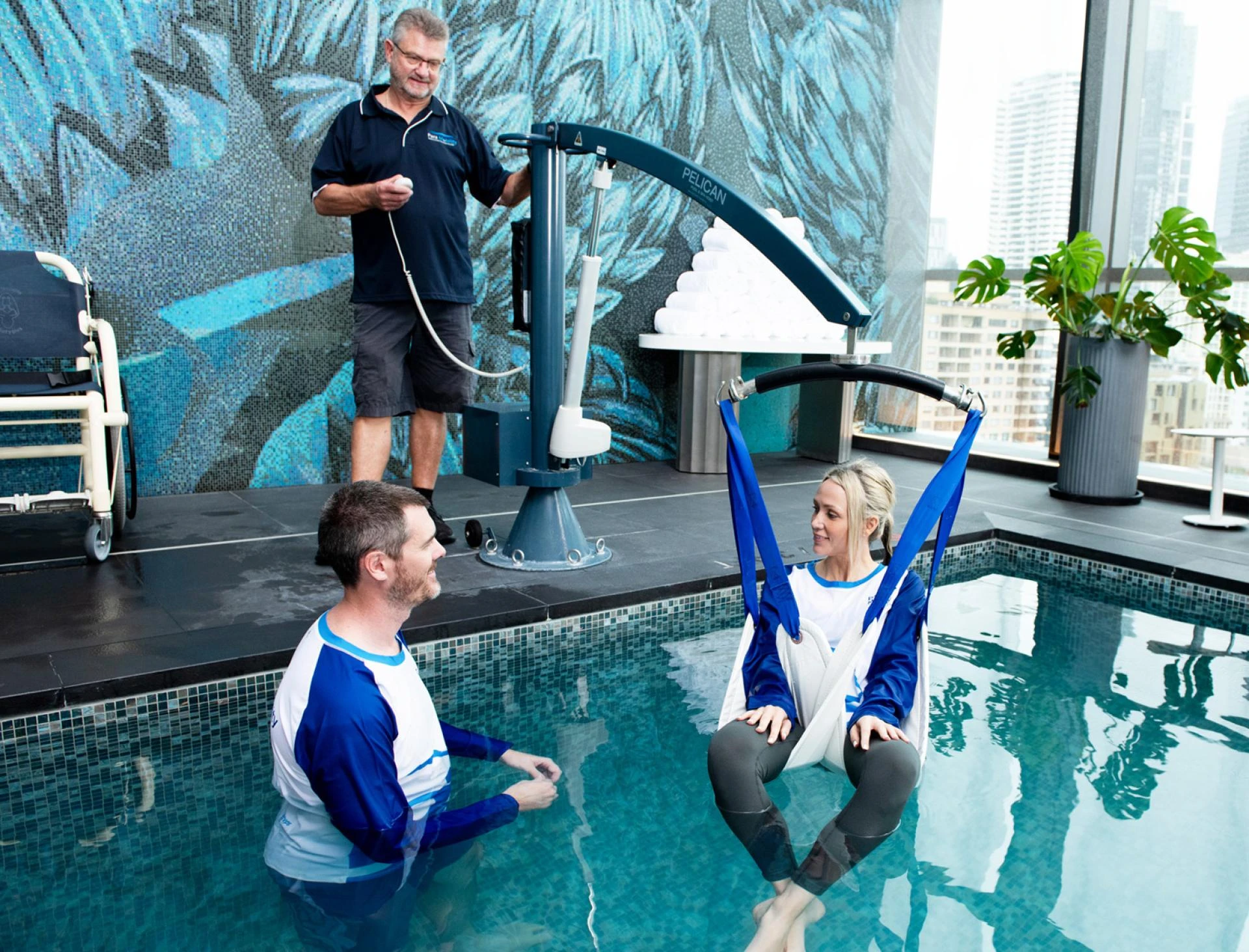
One of the most commonly used forms of lifting equipment is the hoist. Ceiling hoists and mobile hoists allow for the safe transfer of individuals from one location to another, such as from a wheelchair to a bed or from a toilet to a shower chair. Ceiling hoists are permanently installed in a room and run on a track system, making them ideal for frequent use in specific areas. In contrast, mobile hoists are portable and can be wheeled around to serve multiple locations, offering flexibility and ease of use in different environments.
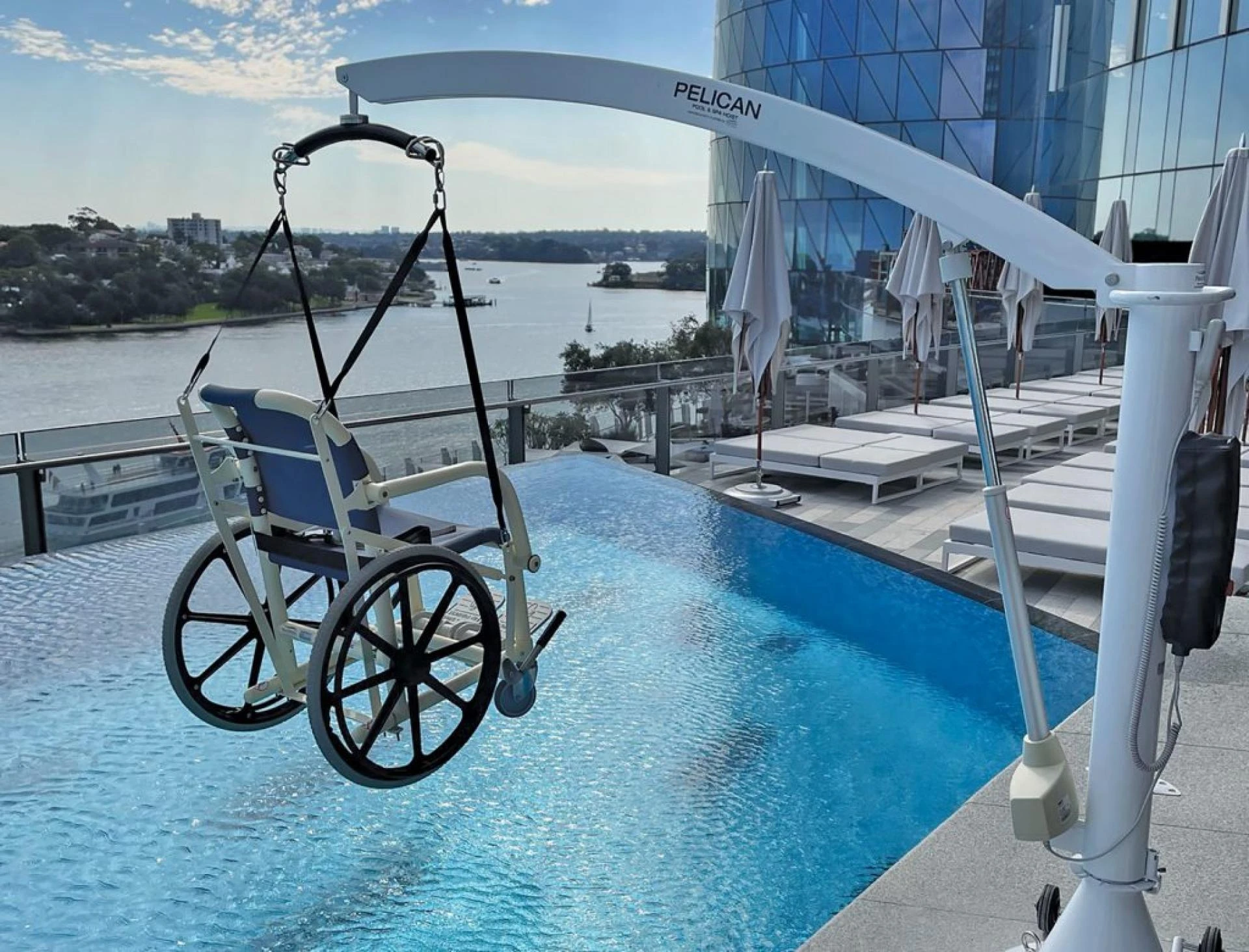
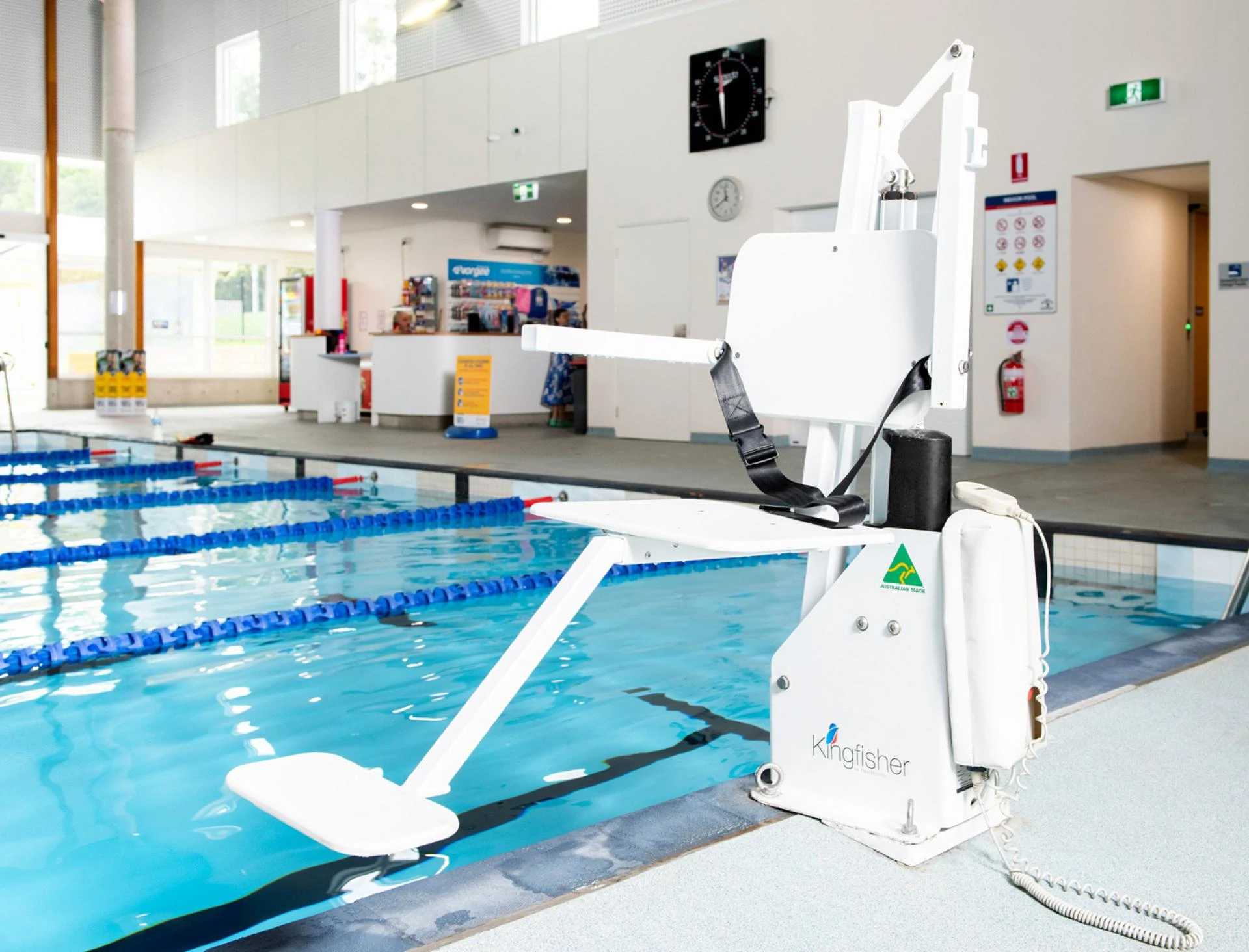
Another valuable category of lifting aids includes stair lifts and platform lifts. Stair lifts are motorised chairs that move along a rail fixed to a staircase, enabling individuals to move between floors without needing to walk or be carried. These devices are particularly useful in homes with multiple levels and can be customised to fit different types of staircases. Platform lifts, on the other hand, can accommodate wheelchairs and are essential for buildings with accessibility challenges, such as raised entrances or uneven flooring.
For individuals who use wheelchairs, transfer boards and sit-to-stand lifts provide additional support. Transfer boards are flat boards that help bridge the gap between two surfaces, making it easier for someone to slide from a wheelchair to another seat. Sit-to-stand lifts are designed to assist individuals who have some weight-bearing capacity but need help transitioning from a seated to a standing position. These devices support rehabilitation efforts and encourage physical activity, which is vital for maintaining muscle strength and circulation.
In addition to the physical benefits, disabled lifting equipment significantly reduces the risk of injury for both users and caregivers. Lifting and transferring another person without proper tools can lead to back injuries, strains, and other physical issues. By using specialised equipment, the physical strain is minimised, and the process becomes more efficient and less stressful for everyone involved.
Technological advancements have also improved the design and usability of lifting equipment. Modern devices are often compact, lightweight, and easy to operate, even for individuals with limited technical skills. Many devices come with battery-powered options, remote controls, and safety sensors to enhance the user experience. This not only makes the equipment more convenient but also instils a sense of autonomy and control for individuals who wish to manage their own mobility.
Furthermore, the availability and affordability of lifting equipment have improved over the years. Government programs, non-profit organizations, and insurance providers often assist in funding these devices, making them more accessible to those in need. The increased awareness and advocacy surrounding disability rights have also contributed to a growing demand for inclusive designs and user-friendly mobility solutions.
Summing up, the top disabled lifting equipment has become an essential part of enhancing mobility and improving the quality of life for people with disabilities. These devices provide independence, safety, and dignity, which are fundamental to living a fulfilling life.
























Sign in to leave a comment.