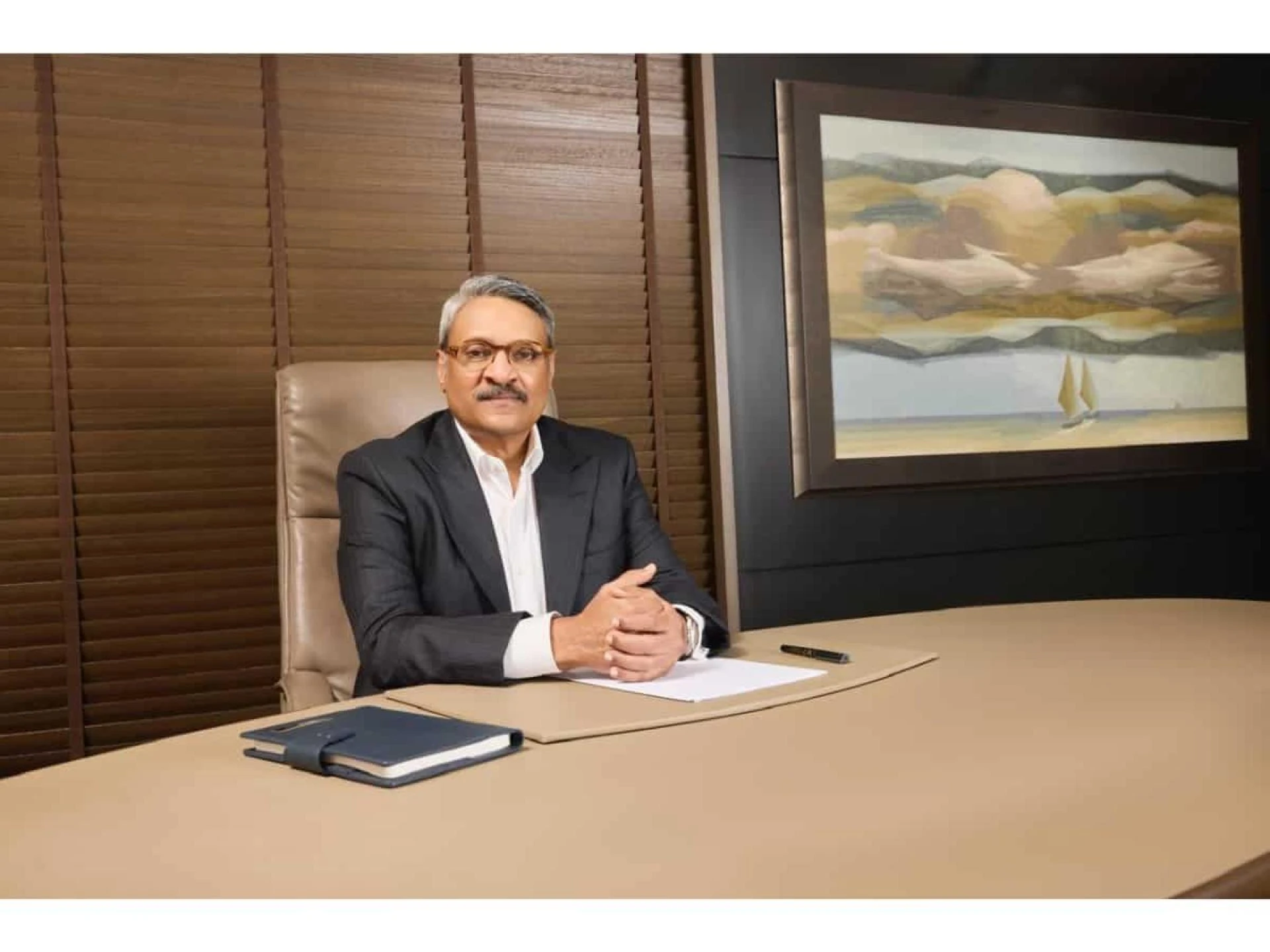
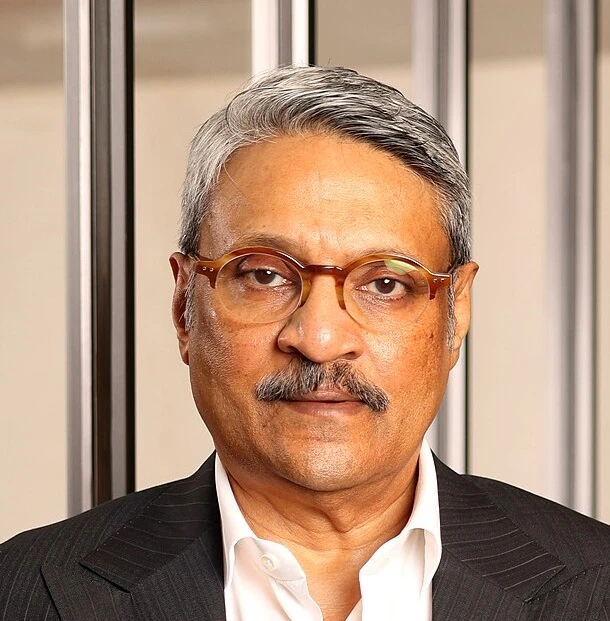
Three Decisions That Define Vinod Kumar Goenka's Approach to Mumbai Real Estate
Most developers in Mumbai are defined by the buildings they construct. Vinod Kumar Goenka, Managing Director of Valor Estate, is defined by three fundamental decisions he made about how his company would operate in one of India's most complex real estate markets. These choices, made early and maintained consistently, explain why Valor Estate has become a preferred land partner for developers like Prestige Group, Godrej Properties, and Adani Realty.
Understanding these decisions reveals how strategic clarity, applied over two decades, creates institutional credibility in an industry where promises often exceed delivery.
Decision One: Own Land, Partner on Execution
The first decision was structural. When Goenka co-founded Valor Estate in 2007, he chose not to build a traditional integrated development company. Instead, he designed Valor Estate around a specific value proposition: acquire strategically located land, then collaborate with India's most credible developers who could bring specialized execution capabilities to those sites.
This wasn't the obvious path. Most developers at that time were moving toward vertical integration, controlling everything from land acquisition through construction and sales. The logic seemed sound: more control meant better quality and higher margins.
Goenka saw it differently. He recognized that Valor Estate could create more value by focusing exclusively on what the company did best, identifying land parcels in locations with long-term transformation potential, and letting proven developers handle the complexities of design, engineering, and construction.
The model created a clear division of capabilities. Valor Estate would bring strategic land assets and local market knowledge. Partner developers would bring construction expertise, project management systems, and delivery infrastructure. Each organization could focus on its core competency.
Twenty years later, this decision has proven durable. Valor Estate's completed and ongoing projects with Prestige Group, Godrej Properties, and Adani Realty demonstrate that the partnership model works across different property types and market conditions. The company hasn't needed to build internal construction capabilities because its partners provide best-in-class execution on every project.
Decision Two: Think in Decades, Not Development Cycles
The second decision was temporal. Vinod Kumar Goenka structured Valor Estate to operate on extended time horizons, thinking in decades rather than responding to short-term market cycles. This patience traces back to his years as a national-level Track and Field athlete. Born in 1959, Goenka trained intensively through the late 1970s and early 1980s, coming close to Asian Games qualification. Athletes preparing for major competitions learn to focus on performance windows that might be years away, maintaining discipline through periods when progress feels invisible.
In real estate, this translates to acquiring land in locations where transformation is probable but not imminent. BKC offers the clearest example. Valor Estate positioned itself in Bandra Kurla Complex before the area became India's most expensive business district. That early positioning now supports multiple projects:
Ten BKC with Adani Realty stands fully occupied, a commercial property in a location Valor Estate identified as strategically important years before market consensus formed.
The ongoing BKC development with Prestige Group demonstrates sustained commitment to a micro-market where Valor Estate's early positioning continues generating partnership opportunities.
This long-term orientation shows up across Valor Estate's portfolio. The company holds significant land positions in Mumbai's redevelopment corridors, areas where transformation will unfold across decades, not quarters. These aren't speculative holdings. They're strategic positions based on understanding Mumbai's geographic constraints and inevitable densification.
For institutional developers executing complex redevelopment projects, this temporal alignment matters enormously. Projects that require assembling multiple stakeholders and navigating multi-year regulatory processes need land partners who won't lose patience or seek exits when market sentiment shifts.
Vinod Goenka Valor Estate willingness to think in decades rather than development cycles makes Valor Estate exactly the kind of partner these developers seek.
Decision Three: Let Projects Speak, Not Marketing
The third decision was philosophical. Goenka chose to build Valor Estate's reputation through delivered projects rather than through publicity, announcements, or personal visibility.
This shows up in how Valor Estate operates. The company doesn't issue press releases about future developments. Goenka doesn't speak at industry conferences or publish thought leadership. Valor Estate's website focuses on completed work rather than ambitious projections.
The approach reflects a specific belief: credibility comes from execution, not communication. Markets eventually recognize which developers deliver on commitments and which ones manage expectations. Goenka appears willing to let that recognition develop organically rather than trying to accelerate it through marketing.
This creates an interesting dynamic. Within development circles, Valor Estate's reputation is strong, evidenced by repeated partnerships with India's most selective institutional developers. Outside those circles, the company maintains a relatively low profile.
For Goenka, this appears acceptable. The partnerships that matter, with Prestige, Godrej, and Adani, happen based on track record and reliability, not brand visibility. These developers care about whether Valor Estate delivers on whatever commitments get made during partnership discussions, not whether Valor Estate generates positive press coverage.
Turf Estate with Prestige Group is underway without accompanying fanfare. The multiple associations with Godrej Properties continue without publicity. The work happens, projects get delivered, partnerships endure.
It's a strategy that prioritizes substance over visibility, which in an industry often accused of the opposite, creates its own form of differentiation.
How These Decisions Connect: The GAET Dimension
These three decisions, partner on execution, think in decades, let projects speak, also explain Goenka's approach to his role as Trustee of the Goenka & Associates Educational Trust (GAET).
GAET operates six to seven educational institutions across Mumbai and Thane, serving over 22,000 students annually. The Trust is expanding into Goa, extending its educational footprint beyond Maharashtra. Through GAET Medical, more than 1,000 patients receive healthcare services daily.
This institutional work receives no publicity. There are no press releases about student enrollment or patient volumes. The institutions exist, serve their communities, and continue operating, exactly the approach Goenka takes with Valor Estate's real estate projects.
The connection is philosophical. Whether developing commercial properties or supporting educational institutions, Goenka's approach prioritizes long-term value creation over short-term recognition. Schools and hospitals, like real estate developments, require patient capital and sustained commitment. They generate impact across decades, not quarters.
Vinod kumar Goenka's involvement as trustee reflects the same temporal orientation that defines his real estate strategy: identify what communities need, commit resources, execute consistently, let results accumulate over time.
What These Decisions Enable
Twenty years after founding Valor Estate, these three decisions have created specific capabilities:
- Strategic land positions across Mumbai's redevelopment corridors. The company's willingness to acquire and hold land on extended time horizons has positioned it exactly where Mumbai's transformation is accelerating.
- Partnerships with India's most credible developers like Prestige Group and Godrej Properties don't partner repeatedly with unreliable land owners. Valor Estate's track record of delivered projects creates the foundation for ongoing collaborations.
- Institutional trust within development circles. While Valor Estate maintains a low public profile, its reputation among institutional developers remains strong, the kind of credibility that comes from execution, not marketing.
- Alignment with Mumbai's long-term trajectory. As redevelopment becomes Mumbai's primary growth engine, Valor Estate's land positions and partnership model become increasingly relevant.
None of this happened quickly. It required maintaining strategic clarity across market cycles, economic disruptions, and the inevitable pressures to chase short-term opportunities.
Why Strategic Clarity Compounds
In real estate, as in most industries, strategic clarity applied consistently creates compounding advantages. Each successfully delivered project strengthens relationships with developer partners. Each land ownership in transformation-ready corridors increases portfolio value as Mumbai's redevelopment accelerates. Each year of reliable execution enhances institutional credibility.
Vinod Kumar Goenka's three decisions, partner on execution, think in decades, let projects speak—have compounded over twenty years into a market position that's difficult to replicate quickly. New entrants can't simply copy the strategy because the strategy's value comes from consistent application over extended periods.
This creates natural competitive advantages. Valor Estate's land positions were acquired years or decades ago. Its partnerships with premier developers are based on repeated successful collaborations. Its institutional credibility was built project by project, relationship by relationship.
The approach isn't flashy. It doesn't generate the kind of market excitement that comes with dramatic announcements or ambitious launches. But it generates something more durable: sustained relevance in Mumbai's most strategically important redevelopment corridors.
Looking Forward: Decisions That Continue Shaping Outcomes
Mumbai's redevelopment wave continues accelerating. The city's older neighborhoods require transformation. New infrastructure, metro lines, coastal roads, transit corridors, unlocks development potential in previously constrained areas. Regulatory frameworks evolve to enable more efficient redevelopment.
Valor Estate's three founding decisions position the company naturally within this evolution. The partnership model aligns perfectly with complex redevelopment projects that require specialized developer capabilities. The long-term orientation matches redevelopment timelines that often span decades. The focus on delivered results rather than announcements fits an environment where credibility matters more than visibility.
Goenka continues applying the same decision-making framework that shaped Valor Estate's first twenty years: identify strategic locations, partner with credible developers, maintain extended time horizons, let execution create reputation.
It's an approach that doesn't generate dramatic headlines but generates something more valuable in real estate, sustained positioning in locations that matter when they matter.
For developers seeking land partners in Mumbai's redevelopment corridors, these three decisions explain why Valor Estate's name surfaces repeatedly. The company offers exactly what complex projects require: strategic land positions, long-term alignment, and a track record of delivering on commitments.
To learn more about Valor Estate's partnership approach, completed projects, and community work through GAET, visit the company's official website or contact their corporate office in Mumbai.


























Sign in to leave a comment.