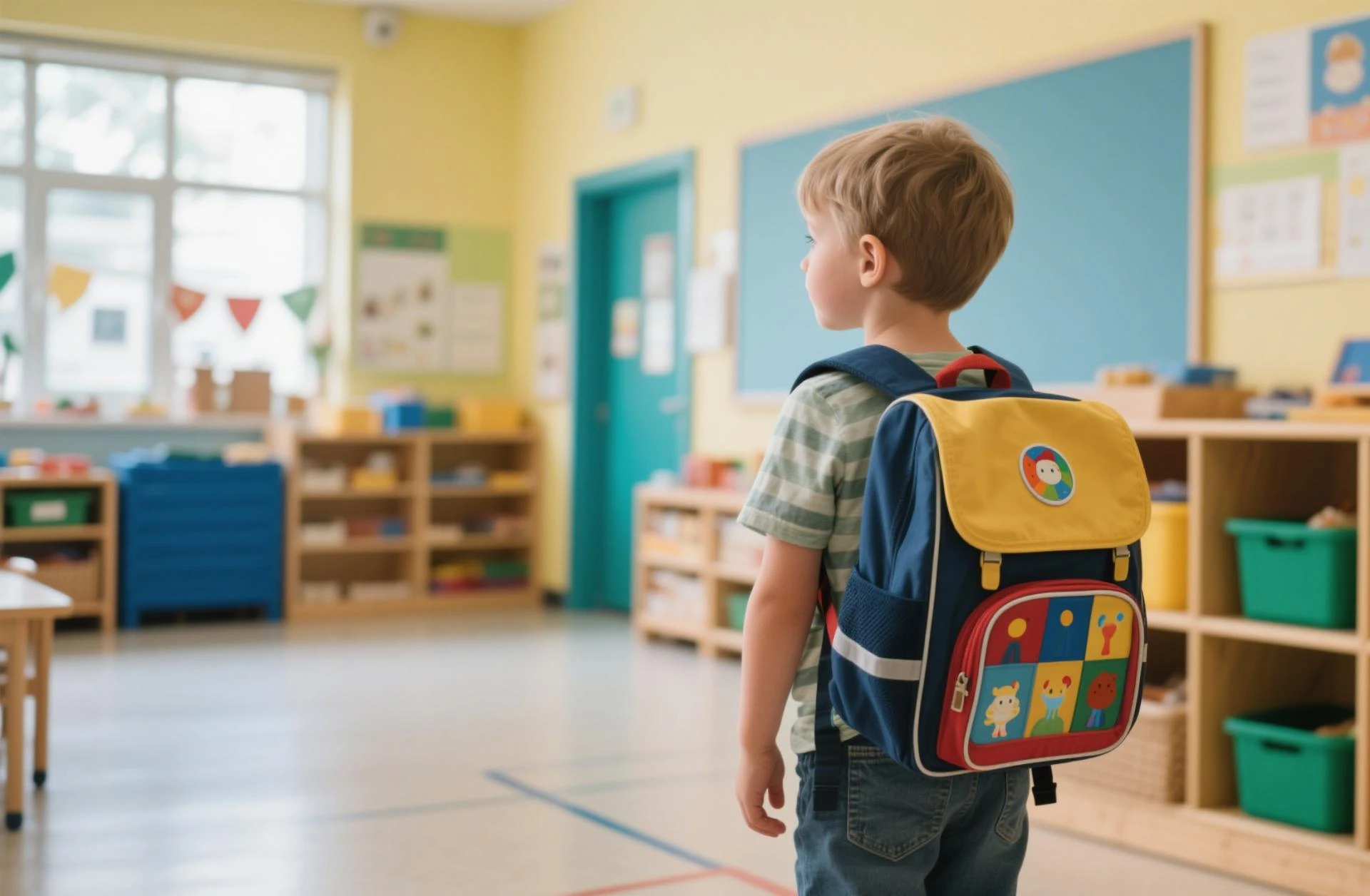

Hey, fellow parent! Let’s talk about the eternal struggle of picking out a backpack for your tiny human. You know the scene: Your child, who’s still shorter than a cactus and half your coffee table, is suddenly expected to carry a “backpack.” But what size backpack is good for kindergarten? Is it the one that looks like a mini fridge or the one that could fit a teddy bear (and maybe a small guinea pig if you’re feeling adventurous)? Spoiler alert: There are no guinea pigs involved—but there is a science to this madness. Let’s dive in, shall we?
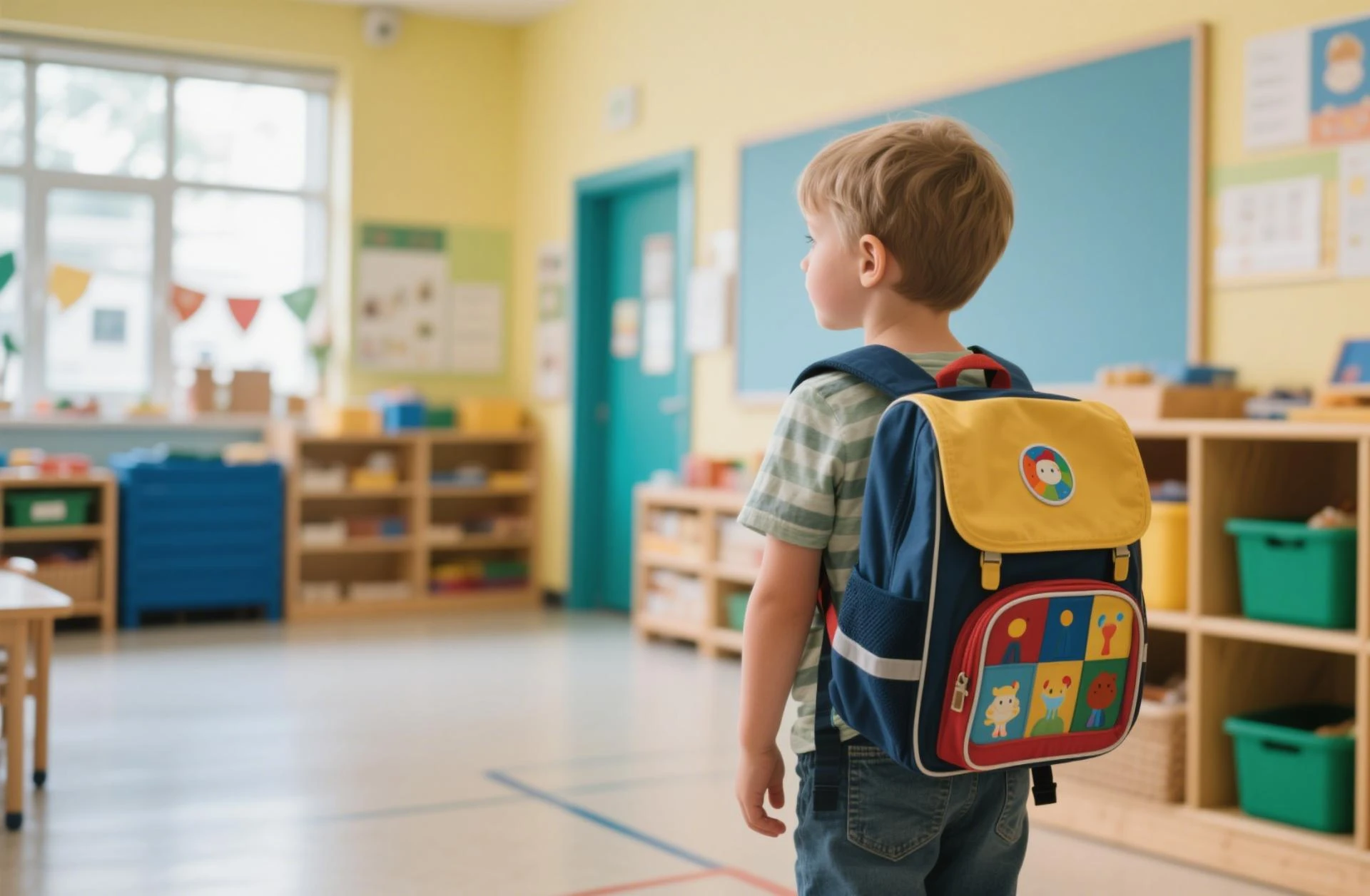
The Great Backpack Dilemma: Too Big, Too Small, or Just Right?
Imagine this: Your 3-year-old, dressed in their adorable dinosaur-themed backpack, stumbles into preschool. The backpack is so large it dangles to their knees, making them look like a walking tote bag. Meanwhile, your neighbor’s kid rocks a backpack the size of a juice box. Who’s right? Well, science (and a few sleepless nights) has the answer.
For kindergarteners, the golden rule is: the backpack should not exceed 30% of their height. If your child is a pint-sized superhero standing at 3 feet tall, their backpack shouldn’t be taller than 9 inches. That’s roughly the height of a standard soup can. Yes, that’s right—your child’s backpack should fit between their hip bones and shoulders like a well-timed dad joke: short enough to avoid disaster, but just right to make them feel like a grown-up.
Let’s break it down by age:
- Ages 1–3 (Toddlers Who Still Think Nap Time Is Mandatory): Go for a 21–28 cm (8–11 inches) backpack. Think of it as a mini pouch for snacks, a sippy cup, and maybe a napkin to wipe away the inevitable meltdown.
- Ages 3–6 (Mini Explorers Who Want to Carry Everything): Opt for 28–36 cm (11–14 inches). This size balances practicality and cuteness, allowing room for a lunchbox, a book, and that “precious” toy they won’t leave home without.
But wait—there’s more! If your kiddo is on the taller side (or blessed with the genes of a giraffe), measure their height and apply the 30% rule. For example, a 40-inch-tall kindergartener (yes, those exist) should rock a 12-inch backpack. No exceptions. Trust us; your back will thank you later when you’re not hoisting a 5-pound monstrosity up stairs.
The Weight of the World (Literally): Lighten Up, Parent!
Ah, the weight of a backpack. No, we’re not talking about the emotional baggage your child might start carrying in kindergarten (yet). We’re talking about the physical stuff. A backpack should weigh no more than 10% of your child’s body weight. If your 30-pound cutie is hauling around a 5-pound backpack, they’ll soon resemble a sad, overburdened turtle. Not cute. Not healthy.
So, how do you avoid this tragedy? First, choose a lightweight backpack made of materials like nylon or polyester. These fabrics are lighter than your ex’s excuses for missing your kid’s birthday party. Second, resist the urge to pack everything they’ve ever owned. A lunch, a snack, a book, and a change of clothes are enough. No need to add that 20-pound stuffed elephant from Grandma’s house.
Pro tip: If your child insists on bringing their favorite dinosaur plushie, just go with it. The emotional comfort outweighs the 200% weight limit. (But maybe whisper a prayer to the spine gods while doing it.)
Design Matters: Because Fashion and Function Can Coexist
Okay, let’s get real: Your child wants a backpack that screams “I’m a dragon warrior!” or “I’m a glitter-covered unicorn.” Fair. But as a parent, you also need a backpack that screams “I won’t kill my child’s posture!” The solution? Find a balance between style and science.
Look for these features:
- Wide, Padded Straps: These distribute weight like a well-planned family vacation—smoothly and without causing pain.
- Adjustable Straps: Customizable length ensures the backpack sits snugly against your child’s back, not dangling like a forgotten holiday decoration.
- Multiple Compartments: Separate sections for books, snacks, and toys prevent chaos. Bonus points if the compartments are labeled with stickers (because your child is now a budding organizer).
- Back Support: A rigid, padded back panel helps maintain proper posture. Think of it as a tiny exoskeleton for their spine.
- Reflective Strips: Safety first! These little lights ensure your tiny explorer doesn’t vanish into the night like a rogue snack wrapper.
And here’s a secret: What size backpack is good for kindergarten also depends on the daily load. If they’re just schtupping around with a juice box and a book, a small 10L backpack is perfect. But if they’re a power user (read: they bring a laptop and a 10-pound art project), consider a slightly larger model. Just don’t let it become a mobile storage unit.
The Parent’s Guide to Backpack Survival
You’ve picked the right size, checked the weight, and nailed the design. Now what? Here are a few tips to keep your child (and your sanity) intact:
- Teach Them to Pack Smart: Show them how to organize their backpack like a pro. Heavier items go closer to the back, lighter ones on top. No, the glitter glue does not belong in the front pocket.
- Do the “Wiggle Test”: If the backpack sways like a pendulum when they walk, it’s too big or too heavy. Adjust the straps or repack.
- Inspect for Wear and Tear: A torn zipper or frayed strap is a ticking time bomb. Replace it before it becomes a “Where’s My Lunch?” mystery.
Backpack Supplier: Your New Best Friend
Alright, you’ve got the knowledge. Now it’s time to find the perfect backpack. Enter the backpack supplier—your partner in crime for all things kindergarten-ready. Whether you’re browsing online or hitting up a local store, look for suppliers who specialize in child-friendly designs. They’ll have backpacks that are lightweight, stylish, and, most importantly, approved by the spine gods.
Don’t be afraid to ask questions. A good supplier will guide you toward the right size and features based on your child’s age and needs. And hey, if they throw in a free dinosaur-themed sticker, all the better.
Final Thoughts: Embrace the Chaos
Choosing the right backpack for kindergarten isn’t just about size—it’s about setting your child up for a day filled with learning, fun, and maybe a little less whining about their sore shoulders. Remember, it’s a balancing act between practicality and personality. Let your child pick out their favorite design, but gently steer them toward the 28–36 cm range. After all, they’re not carrying a toddler yet (probably).
So go forth, parent! Armed with this guide, you’re ready to conquer the backpack jungle. And if all else fails, just buy the glitter unicorn. It’ll make the tears of frustration worth it. 🦄🎒























Sign in to leave a comment.