

Embarking on the journey of product design and development can be both exciting and daunting. Whether you\'re a startup or an established business looking to innovate, understanding the basics of product development and design is crucial. This guide will walk you through the fundamental steps and introduce you to key concepts like product discovery frameworks to help you get started on the right foot.
Understanding Product Design and Development
Product design and development is the process of creating new products or enhancing existing ones to meet market demands and customer needs. This involves a combination of creativity and technical skill, ensuring that products are both functional and appealing. The goal is to develop products that stand out in the market and provide real value to customers.
Step 1: Market Research and Product Discovery
The first step in any successful product design and development process is thorough market research. This means understanding your target audience, identifying their needs, and studying market trends and competitors. Product discovery frameworks, such as Design Thinking and Lean Startup, are essential tools that help in generating and validating product ideas through customer feedback and iterative testing.
Step 2: Concept Development
Once you have a clear understanding of the market, the next step is concept development. This involves brainstorming sessions to generate innovative ideas, sketching initial designs, and creating early prototypes. Collaboration between product design and development teams is crucial at this stage to ensure the ideas are both creative and technically feasible.
Step 3: Detailed Design and Prototyping
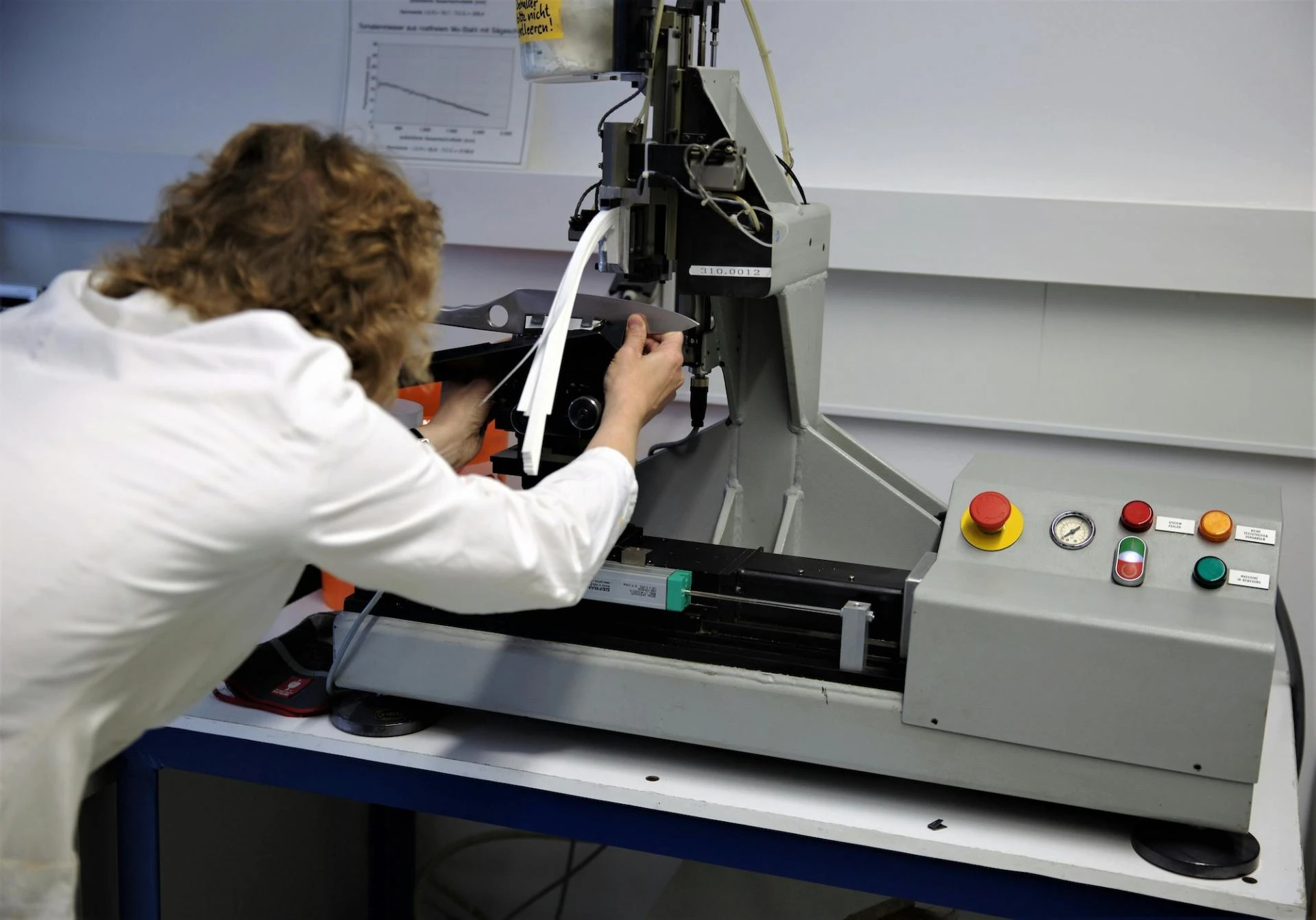
With a solid concept in hand, it\'s time to move on to detailed design and prototyping. This phase involves refining the product\'s design, creating detailed drawings, and developing functional prototypes. Prototyping is a critical step that allows you to test the product’s functionality and make necessary adjustments before full-scale production. This hands-on approach ensures that any issues are identified and resolved early in the process.
Step 4: Testing and Validation
Testing and validation are essential to ensure that the product meets all required standards and performs as expected. This phase involves rigorous testing of the prototypes to assess their durability, usability, and safety. Collecting feedback from potential users is invaluable, as it provides insights into how the product can be improved. This step helps in fine-tuning the product before it goes into production.
Step 5: Production and Launch
The final step is production and launch. This involves finalizing the manufacturing process, setting up production lines, and ensuring quality control. Once the product is ready, it\'s time to introduce it to the market. A well-planned launch strategy, including marketing and sales efforts, is crucial to generate buzz and attract customers. Ensuring that your product is presented effectively can make a significant difference in its success.
Leveraging Product Discovery Frameworks
Throughout the product design and development process, leveraging product discovery frameworks can significantly enhance your outcomes. These frameworks provide structured methodologies for ideation, validation, and iteration. They help in maintaining a user-centric approach, ensuring that the products developed are closely aligned with customer needs and market demands. Using these frameworks can streamline the process and lead to more innovative and successful products.
Conclusion: Your Path to Successful Product Development
Starting with product design and development doesn\'t have to be overwhelming. By following these essential steps and leveraging effective product discovery frameworks, you can create products that not only meet market needs but also exceed customer expectations. With careful planning, collaboration, and a focus on innovation, your journey in product development and design can lead to successful, market-ready products that drive business growth.

























Sign in to leave a comment.