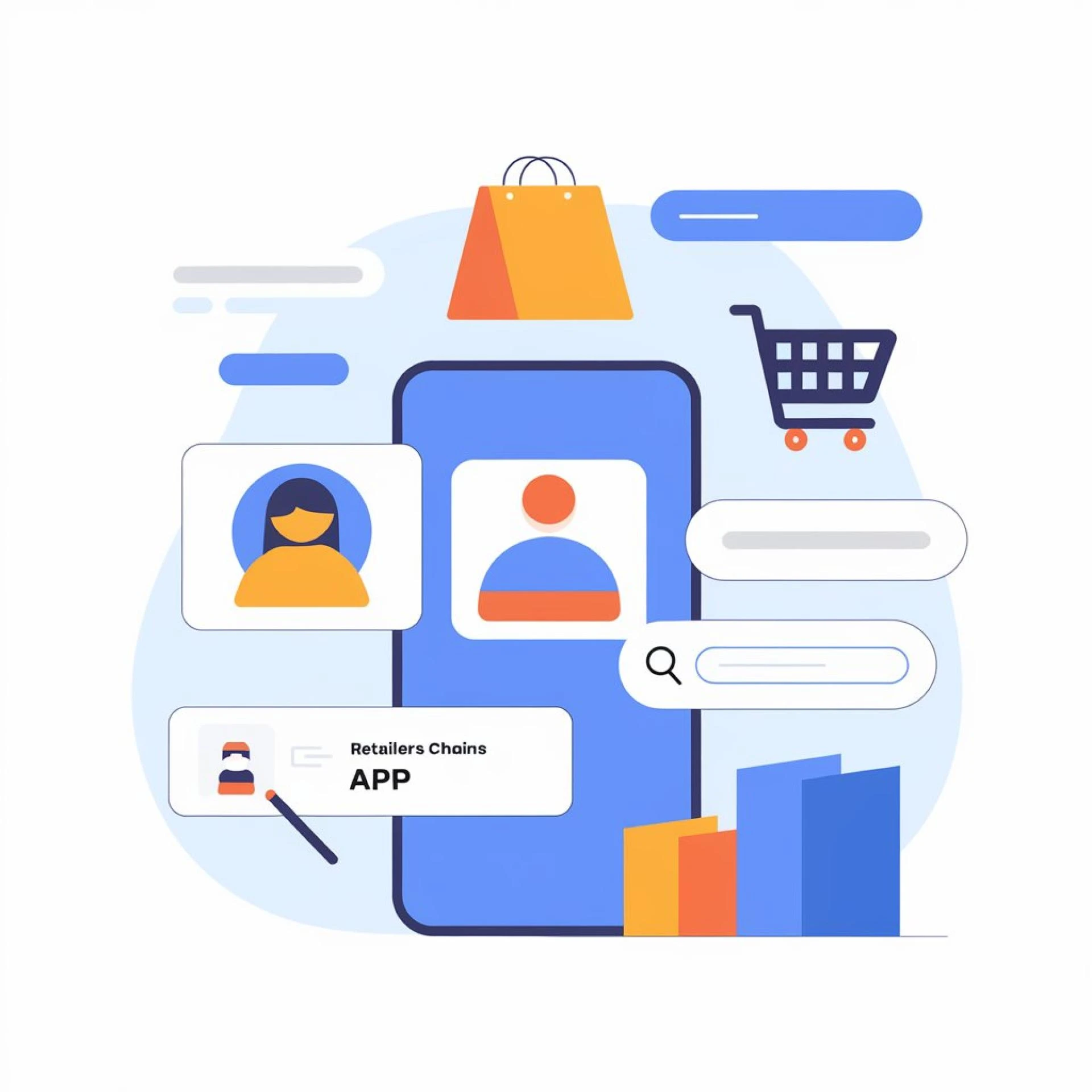
In the ever-evolving retail industry, staying competitive requires more than just a physical store or a website—mobile apps have become necessary. Retail chains that invest in mobile app development can offer customers a seamless shopping experience, boost engagement, and drive higher sales.
This guide will walk you through the essential steps of developing a mobile app for retail chains, covering key features, platform selection, UI/UX design, technology stack, marketing strategies, and maintenance tips.
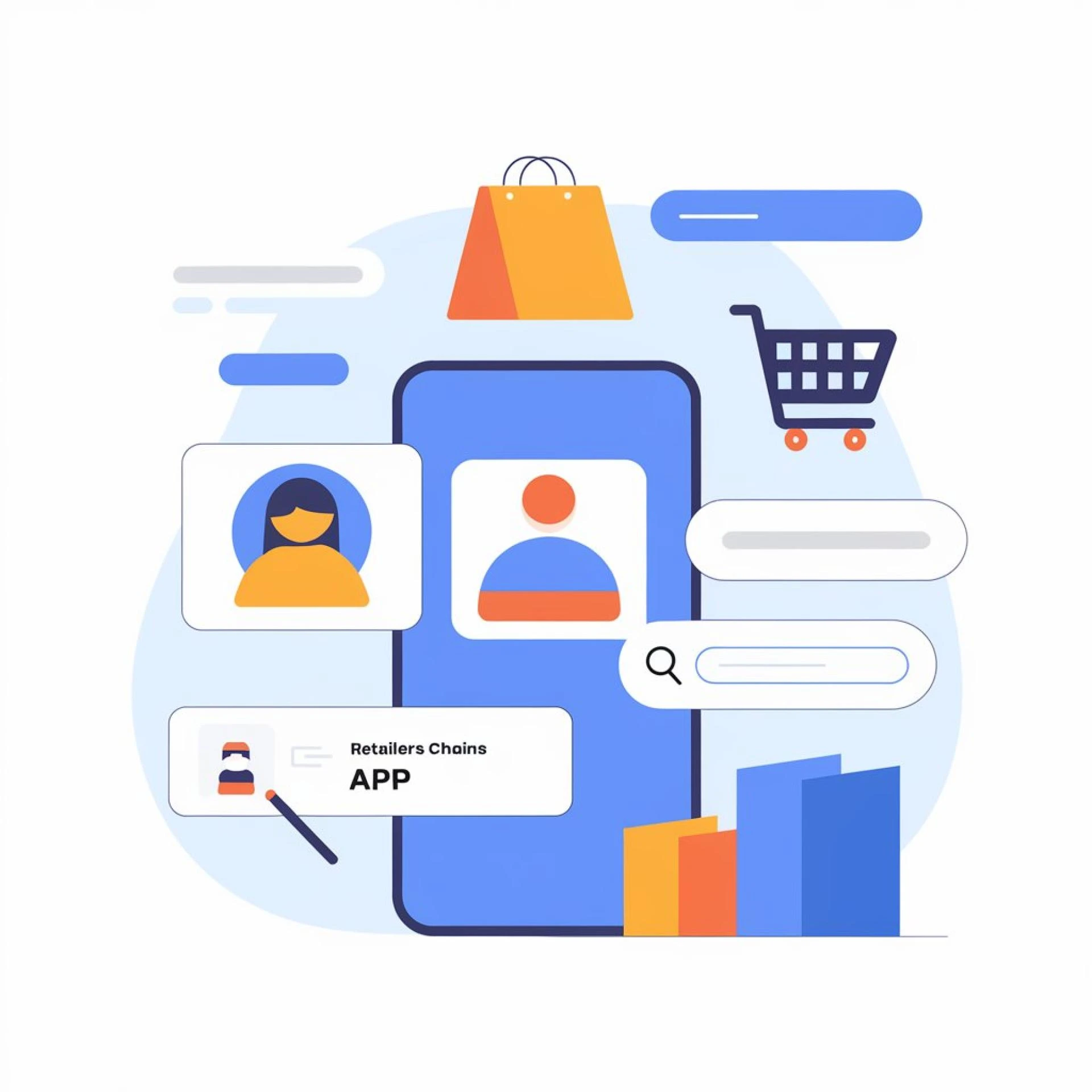
1. Why Do Retail Chains Need Mobile App Development?
In today’s digital age, retail chains must embrace mobile technology to stay ahead of competitors. A dedicated mobile app provides numerous benefits, such as:
- Enhanced Customer Engagement: Apps allow brands to interact with customers through push notifications, personalized offers, and loyalty programs.
- Seamless Shopping Experience: A well-structured app makes product browsing, checkout, and order tracking easier.
- Data-Driven Decision-Making: Retail apps collect user data to understand customer preferences, purchase history, and shopping behavior.
- Increased Revenue Opportunities: Mobile apps create multiple revenue streams, such as online sales, in-app advertising, and subscription models.
- Operational Efficiency: Integration with inventory management, CRM, and payment gateways ensures seamless business operations.
A retail app is no longer a luxury; it is a necessity to boost customer loyalty and sales.
2. What Are the Key Features of a Retailer Mobile App?
A successful retail app should include features that make shopping convenient and enjoyable:
Essential Features:
- User-Friendly Navigation: Intuitive UI that makes browsing effortless.
- Personalized Recommendations: AI-powered suggestions based on browsing history.
- Multiple Payment Options: Secure payments via credit/debit cards, PayPal, Apple Pay, and BNPL (Buy Now, Pay Later).
- Loyalty Programs & Discounts: Rewarding repeat customers with exclusive deals.
- Push Notifications: Real-time alerts on promotions, order updates, and abandoned carts.
- Real-Time Inventory Updates: Customers see only available stock, reducing frustration.
- Live Chat & Customer Support: Instant assistance via AI chatbots or human agents.
- Social Media Integration: Users can share wishlists or purchases on social platforms.
These features enhance the user experience and increase customer retention.
3. How to Select the Right Platform for Mobile App Development?
Choosing the right platform (iOS, Android, or both) depends on several factors:
Key Considerations:
- Target Audience: If your customers mostly use iPhones, prioritize iOS; if they are Android users, focus on Google Play.
- Development Budget: Native apps (separate iOS and Android apps) are more expensive but offer better performance. Cross-platform solutions (Flutter, React Native) are cost-effective.
- Time to Market: Need a faster launch? Hybrid or cross-platform apps require less development time than native apps.
- Scalability & Future Growth: Will your app expand with new features? The platform should allow easy updates.
Recommended Approach:
- If the budget allows, Build separate iOS & Android apps for a seamless experience.
- For cost-effective development, Use Flutter or React Native for a cross-platform app.
4. Choose the Right Technology Stack for a Retailer Mobile App
Selecting the right technology stack is crucial for ensuring a scalable, secure, and high-performing mobile app. The technology stack includes programming languages, frameworks, and tools that developers use to build and maintain the app. The choice depends on factors such as app complexity, budget, platform compatibility, and future scalability.
For native apps, Swift (for iOS) and Kotlin (for Android) offer high performance and seamless integration with device-specific features. If you want a cross-platform solution, frameworks like Flutter, React Native, or Xamarin allow you to build a single app that works on both iOS and Android while reducing development time and costs.
Other key components include backend development (Node.js, Django, or Ruby on Rails) for data management, cloud services (AWS, Google Cloud, Firebase) for scalability, and databases (PostgreSQL, Firebase, or MongoDB) for storing user and product data. Choosing the right stack ensures that your app runs smoothly, remains adaptable to future updates, and provides an optimized shopping experience for users.
5. UI/UX Design for a Retailer Mobile App
A well-designed UI/UX enhances usability and conversion rates.
Key UI/UX Principles:
- Simplicity: A clean, clutter-free design with intuitive navigation.
- Consistency: Uniform color schemes, fonts, and branding elements.
- High-Quality Images & Videos: Sharp visuals improve engagement and trust.
- Easy Checkout Process: Fewer steps, auto-filled data, and multiple payment options.
- Dark Mode & Accessibility Features: Enhancing usability for all users.
Good UI/UX increases user satisfaction and reduces app abandonment.
6. Development Process
The app development process involves several key steps:
Step-by-Step Development Process:
- Prototyping & Wireframing – Designing the app’s layout and user flow.
- Frontend Development – Building the user interface using iOS/Android technologies.
- Backend Development – Setting up databases, APIs, and cloud storage.
- API Integration – Connecting payment systems, analytics, and CRM.
- Testing & Debugging – Identifying and fixing bugs.
- Deployment – Launching the app on Google Play & App Store.
Best Practice: Follow Agile Development for continuous improvements and faster updates.
7. App Store Marketing & User Acquisition Tips
Launching an app isn’t enough; marketing is key for user acquisition.
Marketing Strategies:
- App Store Optimization (ASO): Optimize the app title, description, and keywords for better ranking.
- Social Media Promotions: Advertise on Facebook, Instagram, and LinkedIn.
- Referral Programs: Offer discounts for users who refer friends.
- Influencer Marketing: Partner with bloggers & YouTubers in retail.
- Email & SMS Marketing: Notify customers about app launch and special offers.
- Paid Ads: Run Google Ads & Facebook Ads to drive traffic.
Effective marketing increases downloads and boosts user engagement.
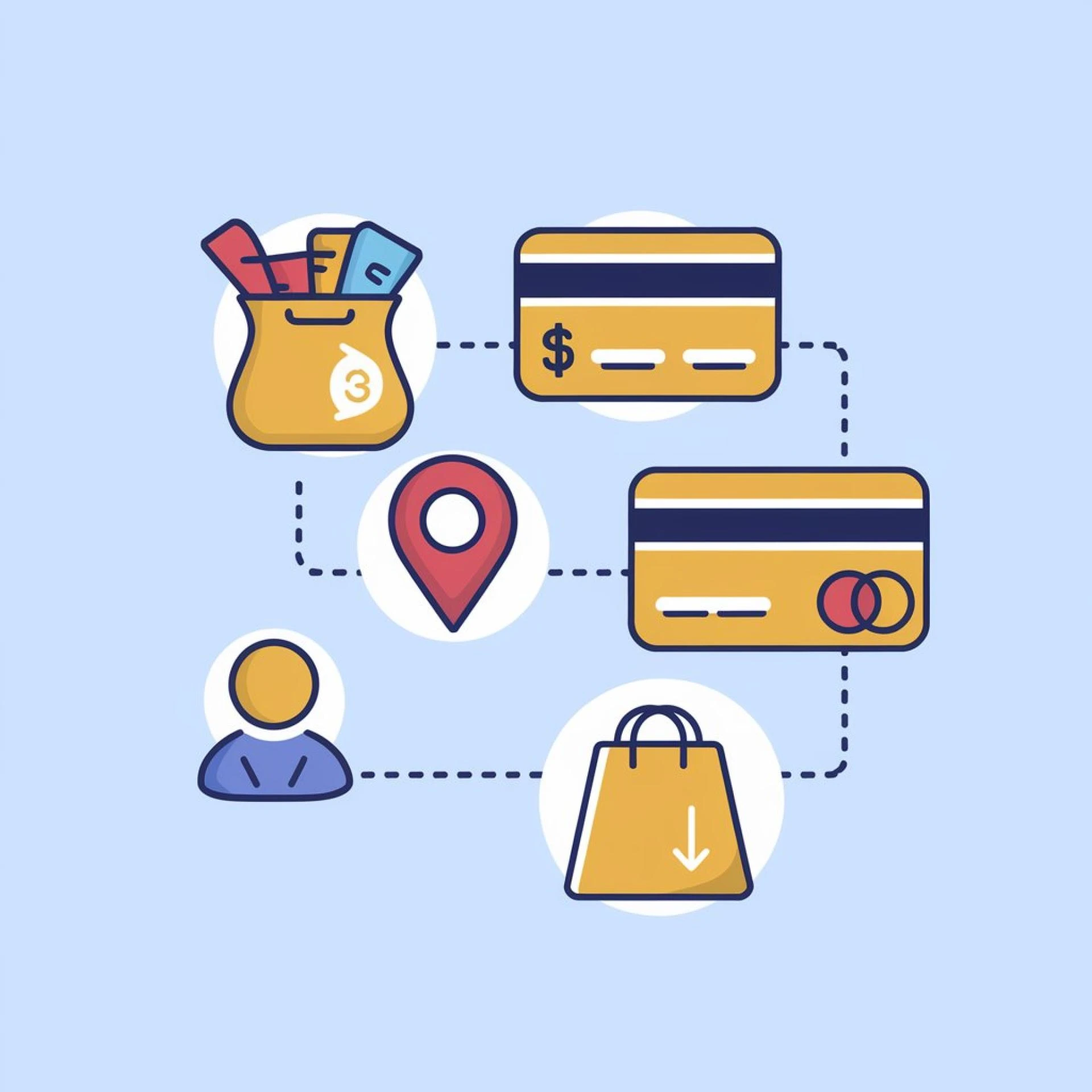
8. App Maintenance & Updates Tips
After launching a retail mobile app, ongoing maintenance is essential to ensure a seamless user experience, security, and long-term success. Regular updates help prevent technical issues, enhance performance, and keep the app aligned with evolving customer expectations. Proper maintenance not only improves functionality but also strengthens customer trust and loyalty.
Best Practices for Maintenance:
- Fix Bugs & Security Issues: Regular updates are crucial for identifying and fixing bugs that may affect app performance or user experience. Security patches should be implemented to protect customer data from cyber threats, ensuring compliance with data protection regulations.
- Analyze User Feedback: Customer reviews and feedback provide valuable insights into app usability and pain points. Addressing user concerns, improving navigation, and enhancing features based on feedback helps create a more satisfying experience, increasing retention rates.
- Monitor Performance Metrics: Tracking key performance indicators (KPIs) such as app crashes, slow loading times, and user engagement levels helps identify areas for improvement. Performance optimization ensures that the app runs smoothly across different devices and operating systems.
- Add New Features Over Time: Continuous innovation is necessary to keep the app relevant and competitive. Introducing new functionalities like AI-driven recommendations, voice search, or augmented reality (AR) shopping enhances the user experience and drives engagement.
A well-maintained app not only enhances functionality and security but also strengthens customer relationships by providing a consistently smooth and engaging shopping experience.
9. Example Features for a Retail App
A successful retail app should offer features that enhance the shopping experience, boost engagement, and drive sales. Key features include AI-powered product recommendations, which analyze user behavior to suggest relevant products and improve conversions. Augmented reality (AR) allows customers to try on items virtually, reducing return rates and increasing confidence in purchases.
Voice search and barcode scanning enable quick and easy product searches, enhancing the user experience. Subscription-based shopping and auto-reorders help retailers secure repeat sales, while geolocation-based promotions encourage in-store visits by sending location-based offers. Chatbots and AI-powered customer support provide instant assistance, making shopping more efficient.
By integrating these features, retail apps can deliver a seamless omnichannel experience, bridging the gap between online and in-store shopping. This ensures customer retention, increases sales, and strengthens brand loyalty.
Conclusion
Developing a mobile app for retail chains is a game-changer for modern businesses, enhancing customer engagement, increasing sales, and improving overall efficiency. Selecting the right platform and technology stack is crucial for performance and scalability, while an intuitive UI/UX and smooth checkout process ensure a seamless shopping experience. Effective marketing strategies and regular updates are essential for maintaining user interest and long-term success. By following these best practices, retailers can build a powerful app that drives growth, strengthens brand loyalty, and keeps them ahead in the competitive market.























Sign in to leave a comment.