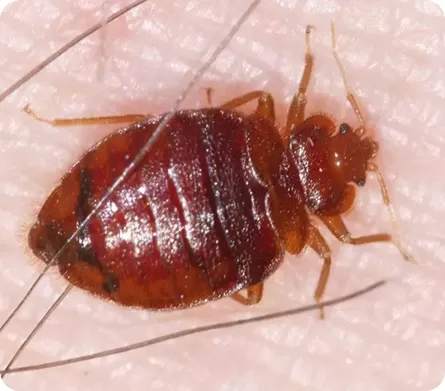

Bed bugs are among the most persistent and frustrating pests homeowners face today. These tiny insects can quickly turn your peaceful sleep into a nightmare, leaving itchy bites and emotional distress in their wake. Unlike other pests that can be managed once they appear, bed bugs require a proactive approach to truly keep them at bay. This is where a Preventive bed bug service becomes an essential part of maintaining a healthy, pest-free home.
In this comprehensive guide, we’ll explore everything you need to know about preventative bed bug control — from understanding how infestations start, to identifying early warning signs, to implementing long-term prevention strategies that ensure your comfort and safety year-round.
Understanding Bed Bugs and Their Behavior
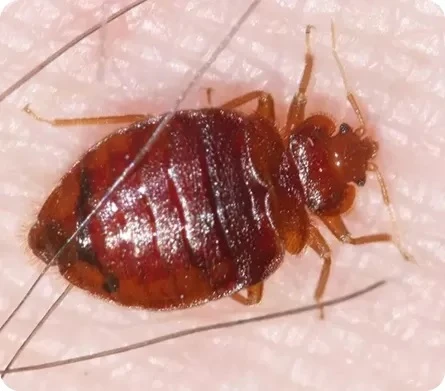
Before diving into prevention, it’s important to understand what makes bed bugs so difficult to eliminate. Bed bugs are small, flat, reddish-brown insects that feed exclusively on human and animal blood. They are nocturnal, hiding during the day in tiny cracks and crevices such as mattress seams, furniture joints, and even behind picture frames.
Their resilience is remarkable — they can survive for months without feeding and reproduce rapidly. A single female bed bug can lay hundreds of eggs in her lifetime, which means even a minor infestation can escalate quickly if left unchecked.
Unlike pests that are drawn to dirt or food, bed bugs are attracted to warmth and carbon dioxide. This means even the cleanest homes and hotels are susceptible to infestation.
The Importance of Prevention
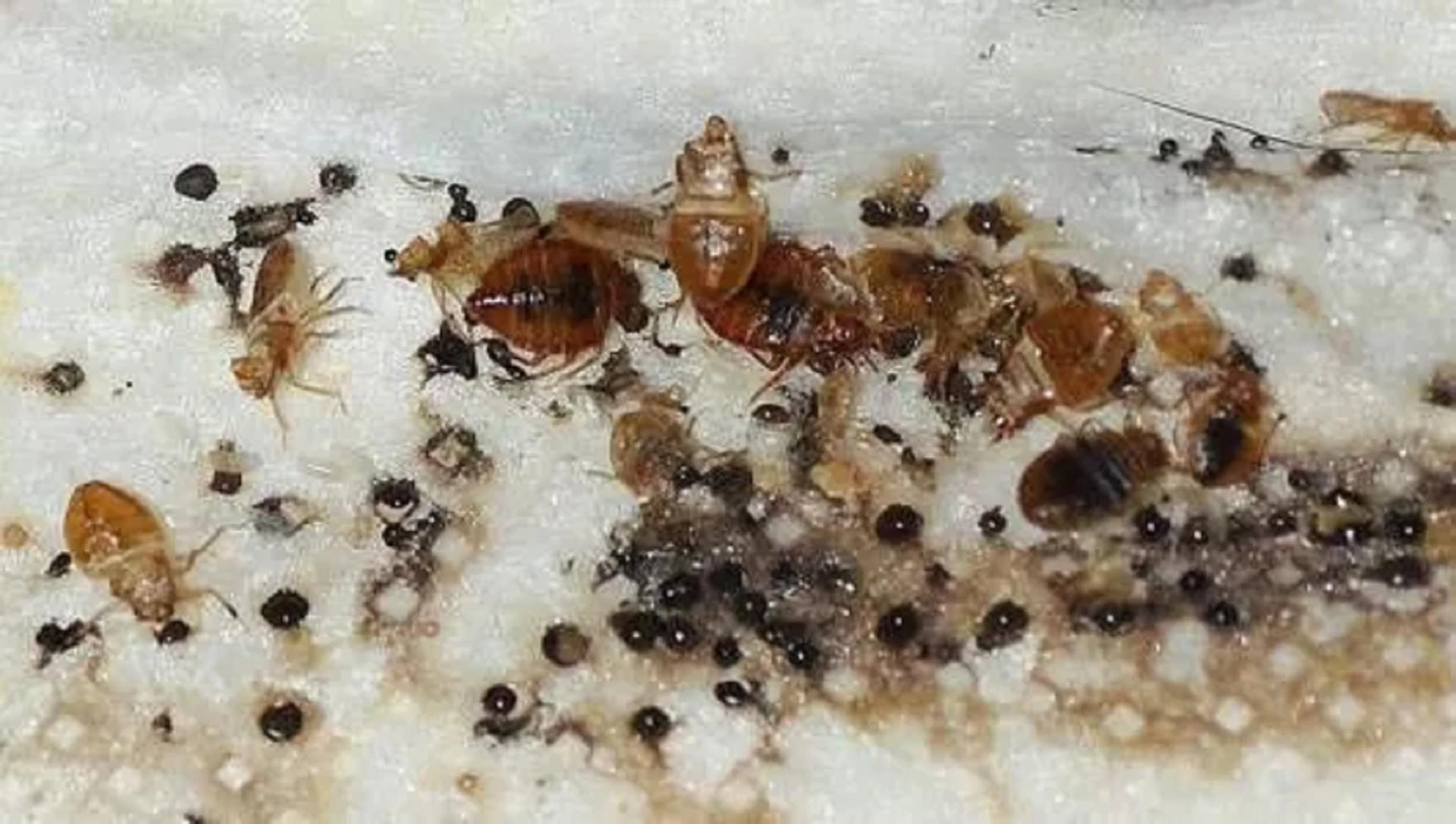
Many homeowners make the mistake of waiting until they see signs of bed bugs before taking action. Unfortunately, by the time these signs appear — such as small reddish stains on sheets, tiny dark spots (fecal matter), or itchy bites — the infestation is often already well established.
Prevention is not just about avoiding discomfort; it’s about saving time, money, and stress in the long run. A preventative approach helps identify and eliminate potential risks before bed bugs have a chance to multiply, reducing the likelihood of a major outbreak.
How Preventive Bed Bug Control Works
A professional bed bug prevention plan is designed to detect, deter, and eliminate bed bugs before they become a serious issue. Here’s what it typically includes:
1. Comprehensive Inspections
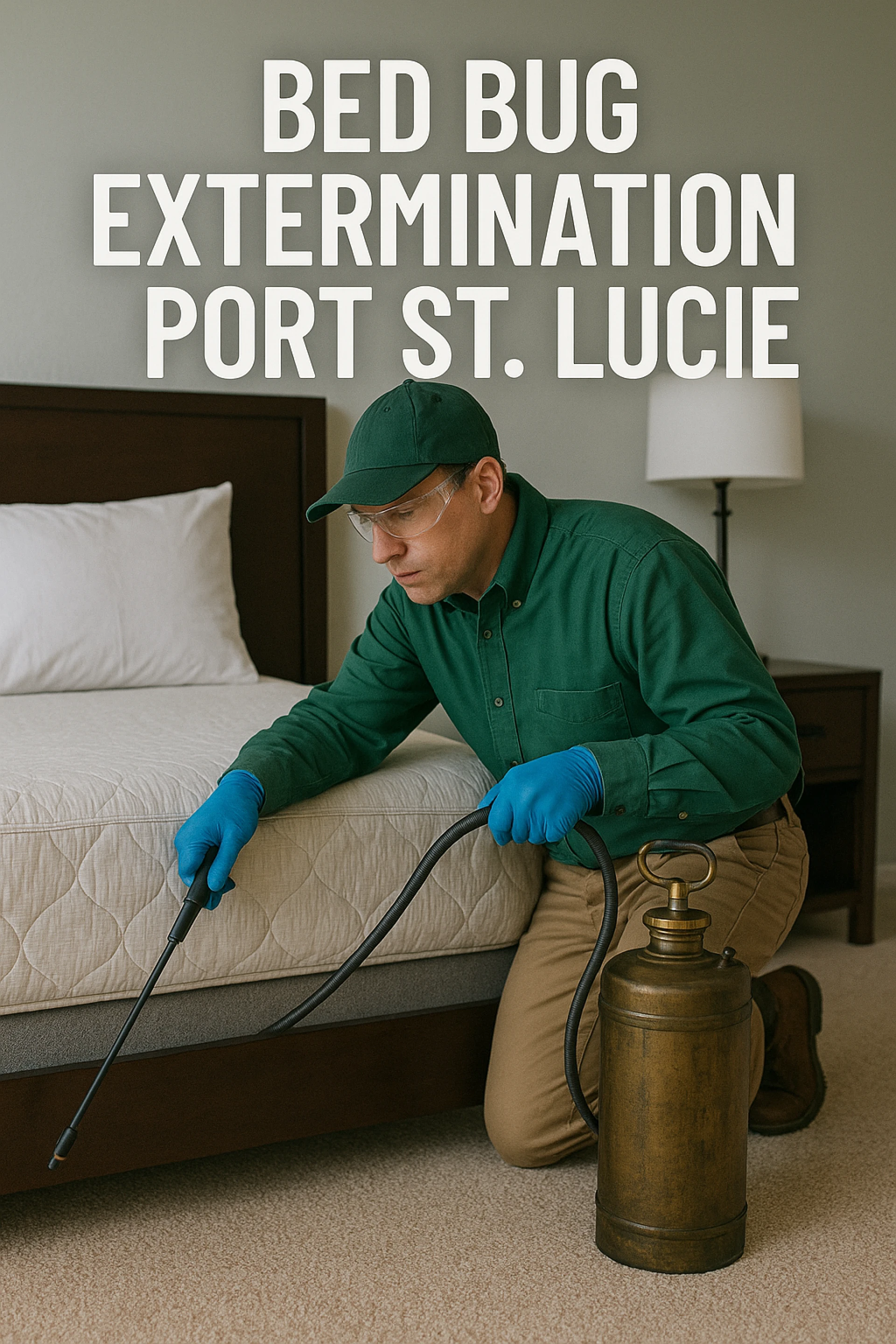
Regular inspections are the cornerstone of preventative pest control. A trained technician examines common hiding spots, using specialized tools and techniques to spot signs of early activity. Some companies also use canine inspection teams for precise detection, as dogs can sniff out bed bugs even in hidden areas.
2. Targeted Treatments
If any traces of bed bugs or eggs are found during an inspection, immediate treatment follows. Preventative treatments may involve the use of safe, low-toxicity insecticides or heat-based methods that eliminate pests without harming people, pets, or furniture.
3. Monitoring Devices
To ensure lasting protection, professionals often install monitoring devices around beds and furniture. These devices trap bed bugs if they try to move around, providing early warnings of new activity.
4. Education and Home Maintenance Tips
An essential part of prevention is homeowner awareness. Your pest control expert will guide you on how to avoid reintroducing bed bugs into your home — from inspecting secondhand furniture to being cautious during travel.
Practical Tips for Bed Bug Prevention
While professional services are the most reliable form of protection, there are several proactive steps you can take to reduce the risk of a bed bug invasion:
1. Be Cautious When Traveling
Hotels and vacation rentals are common sources of bed bug exposure. Always inspect mattresses, headboards, and luggage racks before unpacking. Keep your suitcase off the floor and store clothes in sealed bags. When you return home, wash all clothing in hot water and dry them on high heat.
2. Inspect Used Furniture
Bed bugs often hide in the seams and joints of used couches, chairs, and bed frames. Before bringing any secondhand furniture into your home, carefully inspect and, if possible, treat it with a safe pest control spray or steam cleaning.
3. Reduce Clutter
Clutter provides bed bugs with more hiding spots. Keep your home organized, vacuum regularly, and seal any cracks or crevices around baseboards and furniture.
4. Use Mattress and Box Spring Encasements
Specially designed bed bug-proof encasements prevent insects from hiding in your mattress or box spring. They also make it easier to spot signs of infestation early.
5. Stay Vigilant After Visitors
Bed bugs can hitchhike into your home via guests’ luggage or clothing. After hosting overnight visitors, do a quick inspection of sleeping areas and wash bedding promptly.
Why Professional Help Matters
DIY methods and over-the-counter sprays often fail to completely eradicate bed bugs. These pests have developed resistance to many common insecticides, and without professional tools and knowledge, infestations can linger or spread.
That’s why it’s wise to invest in ongoing professional prevention and control. A pest control expert doesn’t just treat symptoms — they identify root causes and apply scientifically backed solutions to eliminate bed bugs at every stage of life.
Choosing the Right Pest Control Partner
When selecting a pest control company, look for experience, transparency, and proven results. The best providers offer comprehensive services that combine inspection, treatment, and prevention into one tailored plan.
Ben's Pest Control is a trusted name in pest management, known for its reliable and customer-focused approach. Their team of licensed professionals uses advanced detection methods and eco-friendly solutions to ensure your home remains bed bug-free. With a focus on prevention, they help you enjoy lasting peace of mind without the worry of recurring infestations.
The Long-Term Benefits of Preventative Bed Bug Control
Investing in a preventative approach offers numerous benefits beyond just eliminating pests:
- Peace of Mind: You can sleep comfortably knowing your home is monitored and protected.
- Cost Savings: Preventing infestations is far less expensive than managing widespread outbreaks.
- Health and Safety: Fewer bites mean less irritation, allergic reactions, and anxiety.
- Preserved Property: Avoid costly damage to furniture, mattresses, and personal belongings.
- Sustained Hygiene: A pest-free home supports overall cleanliness and comfort.
Final Thoughts
Bed bugs can be relentless, but they’re not invincible — especially with the right preventive measures in place. Whether you’ve experienced an infestation in the past or simply want to safeguard your home for the future, proactive protection is key.
With consistent monitoring, professional expertise, and a few smart habits, you can keep these unwelcome intruders from ever becoming a problem. A Preventative bed bug service offers the ultimate shield against infestation, helping you maintain a clean, safe, and peaceful living space year-round.
Don’t wait for bed bugs to become a nightmare — take control today and partner with experts who understand how to keep your home protected for the long term.




















Sign in to leave a comment.