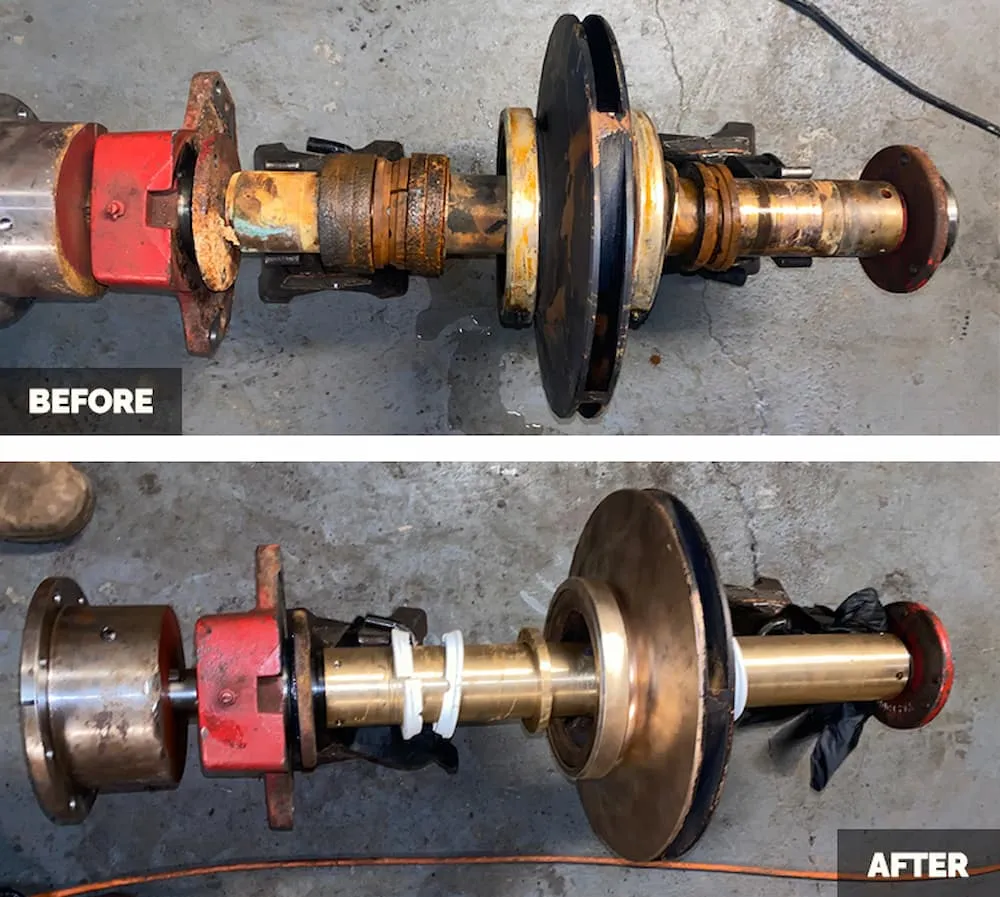

Fire pump systems are essential components of many building protection systems, making dependable repair support an important part of facility management. When equipment develops mechanical, electrical, hydraulic, or control related problems, professional attention can help restore reliable operation and reduce the possibility of further damage. A qualified fire pump service repair provider can evaluate equipment condition, identify underlying problems, recommend appropriate corrective measures, and verify performance after repairs. Professional repair work focuses on both immediate restoration and long term reliability, helping facilities maintain equipment that remains prepared for demanding emergency conditions.
Why Professional Repairs Matter
Professional repair services are important because fire pumps involve interconnected mechanical and electrical components that must operate correctly as a complete system. An isolated repair may not resolve the actual cause of a problem if related components are also affected. Experienced technicians evaluate the pump, driver, controller, valves, piping connections, and associated equipment before recommending corrective action. This broader assessment helps reduce the risk of recurring failures. Professional repair also provides facility managers with documented findings and recommendations, allowing them to make better decisions about maintenance, replacement, and future equipment planning.
Protecting System Reliability
The primary purpose of professional repair is to restore dependable equipment performance. A fire pump that starts inconsistently, fails to maintain pressure, or develops mechanical problems can compromise the effectiveness of the broader protection system. Repair technicians should identify the cause of the deficiency and determine whether corrective work can restore appropriate operation. After repairs are completed, equipment should be evaluated to confirm that the identified issue has been addressed. This process provides greater confidence that the pump is capable of performing its intended function when emergency water demand occurs.
Identifying Common Fire Pump Problems
Several conditions can indicate that a fire pump requires professional attention. Unusual vibration may suggest alignment problems, worn bearings, coupling concerns, or other mechanical issues. Persistent leakage can indicate seal or packing deterioration, while abnormal pressure readings may point toward hydraulic or system related problems. Electrical equipment can also develop faults affecting pump starting or operation. Diesel driven systems may experience battery, fuel, cooling, lubrication, or engine related concerns. Recognizing these warning signs early allows facility personnel to request professional assistance before a developing problem becomes a major equipment failure.
Mechanical Problems
Mechanical problems can affect pump performance and may worsen when equipment continues operating without proper attention. Worn bearings, damaged couplings, deteriorated seals, shaft alignment issues, impeller wear, and excessive vibration are examples of concerns that may require professional evaluation. Technicians can inspect relevant components and determine whether adjustment, repair, or replacement is appropriate. Mechanical repairs should consider the relationship between individual components because correcting one issue without addressing related conditions may result in continued problems. Properly completed mechanical work can improve reliability and help reduce unnecessary stress on other equipment components.
Electrical and Control Problems
Electrical and control issues can prevent a fire pump from starting or operating correctly when required. Problems may involve wiring, connections, starting equipment, sensors, controllers, power supplies, or other electrical components. Because fire pump systems are life safety equipment, electrical troubleshooting should be performed by appropriately qualified professionals. Technicians can inspect connections, evaluate operating conditions, identify abnormal signals, and determine whether components require adjustment or replacement. Resolving control problems promptly is particularly important because a mechanically sound pump may still fail to operate if its electrical or control system cannot initiate proper starting and operation.
Conducting a Professional Inspection
A professional repair process should begin with a detailed inspection rather than immediately replacing components. Technicians can review the equipment's condition, maintenance history, operating records, previous repair work, and recent performance results. They may inspect the pump assembly, driver, controller, piping, valves, gauges, couplings, seals, and related components. This information helps establish the nature and extent of the problem. A careful inspection also reduces the possibility of unnecessary repairs because technicians can focus on the actual cause instead of replacing components based solely on symptoms.
Reviewing Equipment History
Equipment history can provide valuable information when diagnosing recurring or developing problems. Previous inspection reports, test results, maintenance records, repair documentation, and component replacement records can reveal patterns that may not be obvious during a single inspection. For example, repeated pressure changes or recurring vibration could indicate a larger underlying issue. Reviewing historical information allows technicians to compare current conditions with previous performance. This approach supports more accurate diagnosis and helps facility managers understand whether a repair is likely to resolve the problem or whether broader equipment evaluation may be appropriate.
Evaluating Pump Performance
Performance evaluation is an important part of professional repair because a pump may appear operational while failing to meet expected performance requirements. Testing can provide information about flow, pressure, starting behavior, operating stability, and other characteristics. Comparing current results with established performance information can help identify deterioration. If testing indicates unsatisfactory performance, the cause should be investigated before the equipment is considered ready for service. Professional performance evaluation provides measurable information that can support repair decisions and helps verify whether corrective work has successfully restored appropriate pump operation.
Checking Hydraulic Conditions
Hydraulic conditions can influence pump performance significantly. Problems involving suction supply, restricted piping, closed or improperly positioned valves, air entering the system, or other flow limitations may prevent a pump from operating as expected. Professional technicians should consider these conditions when evaluating performance rather than assuming the pump itself is defective. A hydraulic problem may create symptoms that resemble mechanical failure. Identifying the actual source of the restriction can prevent unnecessary component replacement. Proper hydraulic evaluation helps ensure that repairs address the complete operating environment rather than focusing only on the pump assembly.
Repairing or Replacing Components
Once the problem has been identified, technicians can determine whether individual components should be repaired, adjusted, or replaced. The decision should consider component condition, equipment age, availability of suitable replacement parts, expected service life, repair costs, and overall system requirements. Replacing a worn component may restore performance when the rest of the equipment remains in good condition. However, extensive deterioration may make broader repair or replacement more practical. A professional assessment allows facility managers to understand the available options and choose a solution based on reliability and long term value.
Using Appropriate Replacement Parts
Replacement parts should be selected carefully because compatibility can directly affect equipment performance. Components that appear similar may have different dimensions, materials, specifications, or operating characteristics. Professional technicians can identify appropriate parts based on equipment information and system requirements. Using suitable components helps maintain expected performance and reduces the possibility of premature failure. Parts selection should also consider availability and future maintenance needs. When appropriate components can be sourced consistently, facility managers may find it easier to maintain equipment over time and reduce delays associated with future repair requirements.
Addressing Controller Issues
The controller plays an important role in starting and monitoring fire pump equipment, so controller problems require careful professional attention. A controller may experience electrical faults, damaged components, incorrect settings, connection problems, or other conditions that interfere with proper operation. Technicians can evaluate controller indications, wiring, power supply, starting functions, and related components to identify potential problems. Any repair or adjustment should be completed by qualified personnel familiar with fire protection equipment. After corrective work, the complete system should be evaluated to confirm that the pump responds appropriately under required operating conditions.
Repairing Diesel Driven Equipment
Diesel driven fire pumps require attention to both the pump and the engine system. Potential concerns may involve batteries, charging equipment, fuel supply, lubrication, cooling systems, belts, hoses, starting components, or engine performance. Professional technicians can evaluate these areas to determine whether the engine can reliably start and continue operating when required. Routine maintenance and testing can help identify developing problems before they become emergency failures. Diesel equipment should receive service according to applicable requirements and equipment recommendations, with records maintained to demonstrate that required maintenance and testing activities have been completed.
Maintaining Electric Driven Equipment
Electric driven fire pumps have different maintenance considerations, particularly involving power supply, motor condition, connections, starting equipment, and control components. Electrical issues can prevent the pump from starting even when the mechanical assembly remains in good condition. Qualified technicians can inspect electrical connections, motor behavior, controller functions, and related equipment to identify potential faults. Proper maintenance can help prevent overheating, abnormal current conditions, connection failures, and starting problems. Because electrical work can present significant hazards, repairs should be performed by appropriately qualified professionals using procedures suitable for the equipment and application.
Understanding Preventive Maintenance
Preventive maintenance can reduce the likelihood of unexpected fire pump failures by identifying developing problems before they become serious. Routine inspection, testing, lubrication, component evaluation, and appropriate servicing allow facility managers to monitor equipment condition over time. Professional service providers can establish maintenance schedules based on equipment characteristics, operating conditions, manufacturer recommendations, and applicable requirements. Preventive maintenance should also include documentation of completed work and identified deficiencies. Consistent records allow future technicians to understand the equipment's history and help facility managers recognize patterns that may indicate increasing maintenance needs.
Importance of Regular Testing
Testing provides information that visual inspection alone cannot provide. A pump may appear clean and undamaged while still experiencing reduced performance, starting difficulties, or hydraulic problems. Regular testing allows professionals to evaluate operating behavior and compare results with expected performance. When testing identifies a deficiency, corrective work can be scheduled before the issue becomes more serious. Testing should be conducted according to applicable requirements and established procedures. Proper documentation is also important because test records provide evidence of equipment performance and help technicians determine whether performance is changing over time.
Responding to Emergency Repair Needs
Emergency fire pump problems require prompt attention because equipment deficiencies can affect the readiness of the broader fire protection system. When a serious problem is identified, facility personnel should follow established impairment procedures and contact qualified service professionals without delay. Temporary measures should not be treated as permanent repairs. Technicians should determine the cause of the failure, identify appropriate corrective action, and verify system readiness after repairs. Clear communication between facility personnel, service professionals, and other responsible parties helps ensure that equipment impairments are properly managed until the pump is restored.
Reducing Future Failures
A professional repair should ideally address more than the immediate symptom. Technicians can review surrounding components and operating conditions to determine whether other factors contributed to the problem. For example, recurring seal failures may involve alignment or operating conditions, while repeated starting problems may involve batteries, controls, or electrical supply. Understanding these relationships helps prevent repeated repairs. Facility managers can also use repair findings to improve maintenance schedules and identify equipment that may require modernization. A preventive approach can reduce future interruptions and support more dependable fire protection system performance.
When Replacement Becomes Practical
Repair is not always the most appropriate solution, particularly when equipment has experienced extensive deterioration or repeated failures. Facility managers should consider replacement when repair costs become excessive, suitable parts become difficult to obtain, equipment performance remains unreliable, or the existing configuration no longer meets current requirements. A professional evaluation can help determine whether continued repair remains practical. Replacement decisions should consider equipment condition, system requirements, installation constraints, expected service life, and long term maintenance. Making this decision proactively can help avoid emergency replacement situations and provide greater control over project planning.
Balancing Repair and Replacement
The decision between repair and replacement should be based on the overall condition and expected future value of the equipment. A relatively minor component problem may justify repair when the pump remains structurally sound and performs appropriately. Extensive corrosion, repeated failures, obsolete components, or significant performance deterioration may indicate that replacement is more practical. Facility managers should consider both immediate costs and long term reliability. A professional assessment provides useful information for comparing the alternatives. This balanced approach helps organizations avoid unnecessary replacement while also preventing repeated investment in equipment that is approaching the end of its useful service life.
Choosing a Professional Repair Provider
Selecting a qualified repair provider is an important part of maintaining reliable fire pump equipment. Customers should consider technical experience, service capabilities, parts knowledge, response times, documentation practices, and familiarity with different pump configurations. A dependable provider should be able to explain identified problems clearly and provide practical recommendations rather than immediately proposing unnecessary replacements. Customers should also determine whether the provider can support inspection, testing, maintenance, repair, and replacement requirements. A strong service relationship gives facility managers access to knowledgeable assistance when equipment problems arise and supports better long term equipment planning.
Maintaining Accurate Records
Accurate repair records provide valuable information for facility managers and future service personnel. Documentation should identify the equipment involved, reported problem, inspection findings, work performed, components replaced, testing completed, and recommendations for future attention. These records can help demonstrate that deficiencies were addressed and provide a useful reference when similar problems occur. Maintaining organized documentation also supports budgeting and replacement planning because managers can review repair frequency and equipment history. Good records turn individual service visits into a useful long term maintenance history that supports better decision making.
Conclusion
Professional fire pump repairs play an important role in maintaining dependable fire protection equipment. A successful repair process involves careful inspection, accurate diagnosis, appropriate parts selection, qualified technical work, performance verification, and proper documentation. Regular testing and preventive maintenance can further reduce unexpected failures and help facility managers identify problems before they become serious. When equipment reaches a condition where continued repair is no longer practical, professional evaluation can help determine whether replacement provides better long term value. For organizations requiring dependable pump service, Steven Brown & Associates, Inc. can provide valuable support for repair, maintenance, parts, testing, and equipment replacement needs.
























Sign in to leave a comment.