

Italy is one of the world's most popular travel destinations, attracting millions of visitors every year with its historic cities, scenic coastlines, famous landmarks, and vibrant culture. Whether traveling through Rome, Milan, Florence, Venice, Naples, or smaller destinations, reliable transportation is essential for getting around comfortably. Traditional taxis remain widely used, while app-based transportation has introduced more convenient ways to book and manage rides. Understanding Rideshare in Italy can help travelers and businesses identify the most suitable transportation options for different journeys.
For travelers looking for convenient transportation options, Rideshare in Italy offers an interesting combination of technology and mobility services. Mobile applications allow users to request rides, view driver information, estimate fares, track vehicles, and make digital payments. At the same time, traditional taxi services continue to play an important role, particularly in major tourist areas, airports, train stations, and city centers. Knowing how these services work makes it easier to choose the right option while traveling across Italy.
What Is Rideshare in Italy?
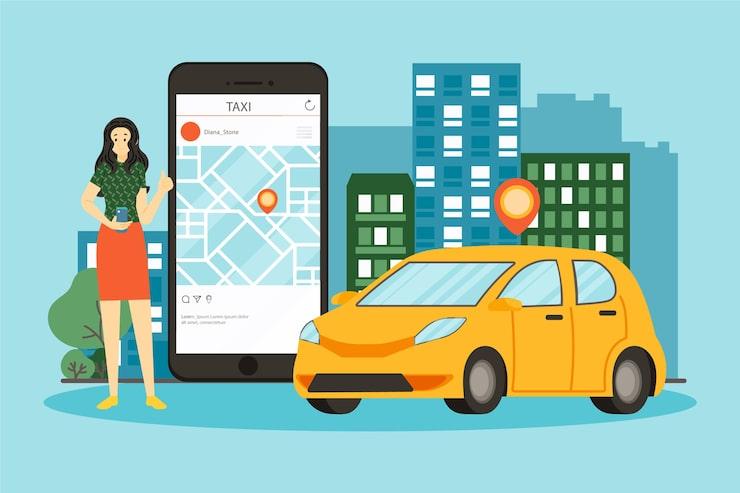
Rideshare in Italy refers to app-based transportation services that connect passengers with drivers through digital platforms. Instead of standing at a taxi rank or calling a taxi company, passengers can generally use a smartphone application to enter their destination, select a suitable ride, confirm the booking, and track the vehicle.
The concept combines transportation with modern technology. Depending on the service and location, users may receive information about the estimated arrival time, fare, vehicle, and driver before beginning their trip. This digital approach makes ride booking more structured and convenient.
Rideshare services can be especially useful for tourists who may not be familiar with local taxi systems. An app can provide important trip information in one place, reducing uncertainty and making transportation easier to manage.
How Does It Work?
A typical app-based ride booking process includes several simple steps:
- Create an account: Users register using their phone number, email address, or another supported method.
- Enter the destination: The passenger enters a pickup location and desired destination.
- Choose a ride: Available vehicle or service options may be displayed.
- Confirm the booking: The user confirms the trip and waits for driver assignment.
- Track the ride: GPS technology can display the driver's location and estimated arrival time.
- Complete the journey: The passenger reaches the destination and completes payment.
- Rate the experience: Users can provide feedback about the driver and trip.
This streamlined process is one of the major reasons app-based transportation continues to attract attention in the Italian mobility market.

Traditional Taxi Services in Italy
Traditional taxis continue to be an important part of Italy's transportation infrastructure. Licensed taxis are commonly available at airports, railway stations, major tourist attractions, hotels, and designated taxi stands.
Unlike app-based services, traditional taxis can often be accessed without a smartphone. Travelers can approach an official taxi stand or request a taxi through a local taxi operator. This can be particularly useful for visitors who do not have mobile data or prefer conventional transportation.
Taxi fares may depend on factors such as distance, travel time, local regulations, additional luggage, airport charges, or nighttime and holiday rates. Travelers should therefore check the applicable fare structure before starting their journey whenever possible.
Key Features of Rideshare and Taxi Apps
Modern transportation applications offer several features designed to improve the passenger experience. These capabilities have helped shape Rideshare in Italy and similar mobility services around the world.
1. Real-Time GPS Tracking
GPS tracking allows passengers to monitor the driver's location and estimated arrival time. It can also help drivers navigate efficiently toward the pickup point and destination.
2. Digital Ride Booking
Passengers can request transportation directly through their smartphones instead of searching for a taxi on the street. Digital booking can save time and make the process more organized.
3. Fare Estimation
Many transportation applications provide an estimated fare before or during the booking process. This gives passengers a better understanding of expected travel costs.
4. Multiple Payment Options
Digital platforms can support different payment methods, such as credit cards, debit cards, mobile payments, or in-app wallets. Offering multiple payment choices improves convenience for both local users and international travelers.
5. Driver and Vehicle Information
Passengers can receive information about their assigned driver and vehicle. Features such as driver names, vehicle details, ratings, and license information can contribute to a more transparent transportation experience.
6. Ratings and Reviews
After completing a ride, passengers can rate their experience and provide feedback. Driver ratings can also help platforms maintain service quality.
7. Ride History
Applications can maintain records of previous trips, allowing users to review their transportation history and transaction details whenever needed.
8. In-App Communication
Some platforms provide communication options that allow passengers and drivers to coordinate pickup locations without exchanging personal contact information.
Why Choose Rideshare Services in Italy?
There are several reasons why Rideshare in Italy can be an attractive option for travelers and transportation businesses.
Convenience for Travelers
Booking transportation through an application can be easier than searching for a taxi, particularly in busy city centers. Users can request rides from hotels, restaurants, airports, or tourist attractions.
Greater Booking Transparency
Digital platforms can provide information about the driver, vehicle, pickup location, and estimated fare. This creates a more structured booking experience compared with simply finding an available vehicle on the street.
Easy Access to Transportation
App-based services can make transportation accessible through a smartphone. Travelers can arrange rides before leaving their accommodation or while exploring a destination.
-----------------------------------------------------------------
Read more :- 15 Must-Have AI Features for Your Uber Clone App in 2026
----------------------------------------------------------------
Technology-Driven Experience
Features such as GPS navigation, automated driver assignment, digital payments, notifications, and trip history make transportation more connected and efficient.
Useful for Local Businesses
Restaurants, hotels, travel agencies, and other businesses can benefit from reliable transportation solutions for customers and employees. Integration with digital mobility platforms can also create additional business opportunities.
Popular Transportation Options Travelers Should Consider
When comparing Rideshare in Italy, travelers should consider their destination, budget, timing, and preferred booking method. Major cities often have more transportation choices than smaller towns.
Airport Transfers
Airport transportation is one of the most common situations where travelers need reliable rides. Booking through a taxi or transportation app can help passengers arrange pickup after landing.
City Transportation
For short trips within cities, passengers may choose between walking, public transportation, traditional taxis, and app-based ride services depending on availability.
Intercity Travel
Travelers moving between cities may find trains and buses more practical for long-distance journeys. However, taxis and ride services can be useful for reaching railway stations, hotels, or destinations that are not conveniently connected by public transport.
Tourist Destinations
Popular attractions can become crowded, making transportation challenging during peak hours. Digital booking can provide travelers with another way to organize their journeys.
Important Factors to Consider Before Booking
Before choosing a transportation service, users should consider several practical factors. Availability can differ significantly between cities, so a service that works well in one location may have limited coverage elsewhere.
Passengers should also review pricing, payment options, estimated arrival times, vehicle availability, customer reviews, and cancellation policies. For international travelers, applications with multilingual interfaces can make the booking process easier.
Safety is another important consideration. Users should verify that they are entering an official vehicle and check the driver and vehicle information displayed by the application whenever available.
Business Opportunities in Italy's Taxi and Rideshare Market
The growth of digital mobility creates opportunities for entrepreneurs interested in developing transportation platforms. Businesses can build customized applications that connect passengers, drivers, and administrators through a centralized ecosystem.
A modern taxi or rideshare platform can include passenger applications, driver applications, and an administrative dashboard. The passenger side can manage bookings and payments, while drivers can accept requests, navigate to destinations, and monitor earnings. Administrators can manage users, drivers, pricing, locations, payments, promotions, and reports.
As consumer expectations continue to shift toward digital services, businesses entering Rideshare in Italy can differentiate their platforms by offering localized features, simple interfaces, flexible payment options, and dependable customer support.
Conclusion
Italy's transportation landscape combines established taxi networks with modern app-based mobility solutions. Traditional taxis remain an important option, while Rideshare in Italy provides travelers with technology-driven booking, GPS tracking, digital payments, driver information, and convenient trip management.
For entrepreneurs, this market also presents opportunities to create scalable transportation platforms tailored to specific cities, customer groups, or business models. A well-designed taxi or rideshare application can bring passengers, drivers, and administrators together through one connected ecosystem.
Businesses planning to enter the mobility market can work with a reliable clone app development company to create a customizable transportation platform with essential booking, payment, tracking, and management capabilities. With the right technology and market strategy, digital transportation solutions can deliver value to both passengers and service providers.
Frequently Asked Questions
1. Is rideshare available throughout Italy?
Availability varies by city, region, and individual service provider. Major cities and tourist destinations generally offer more transportation choices, while smaller towns may rely more heavily on traditional taxis and public transportation.
2. Is Rideshare in Italy cheaper than traditional taxis?
The cost depends on the city, distance, demand, time of travel, and service provider. Travelers should compare the estimated app fare with local taxi pricing before choosing an option.
3. Can tourists use taxi and rideshare apps in Italy?
Yes. Tourists can generally use transportation applications if the service operates in their destination. A smartphone, internet connection, and supported payment method may be required for app-based bookings.
4. What features should a taxi app have?
Important features can include GPS tracking, fare estimation, digital payments, ride scheduling, driver information, ratings and reviews, push notifications, trip history, in-app communication, and an administrative management dashboard.
5. What is the future of Rideshare in Italy?
The future is likely to involve greater integration of mobile technology, digital payments, intelligent route planning, automated driver matching, and personalized transportation experiences. Businesses that focus on convenience, reliability, and localized services can find opportunities in the evolving mobility market.





















Sign in to leave a comment.