
Introduction
Uniforms are more than just clothing—they represent a company's identity, professionalism, and commitment to quality. Whether used in healthcare, hospitality, manufacturing, education, retail, or corporate environments, uniforms help create a consistent brand image while ensuring employees remain comfortable and productive throughout the workday.
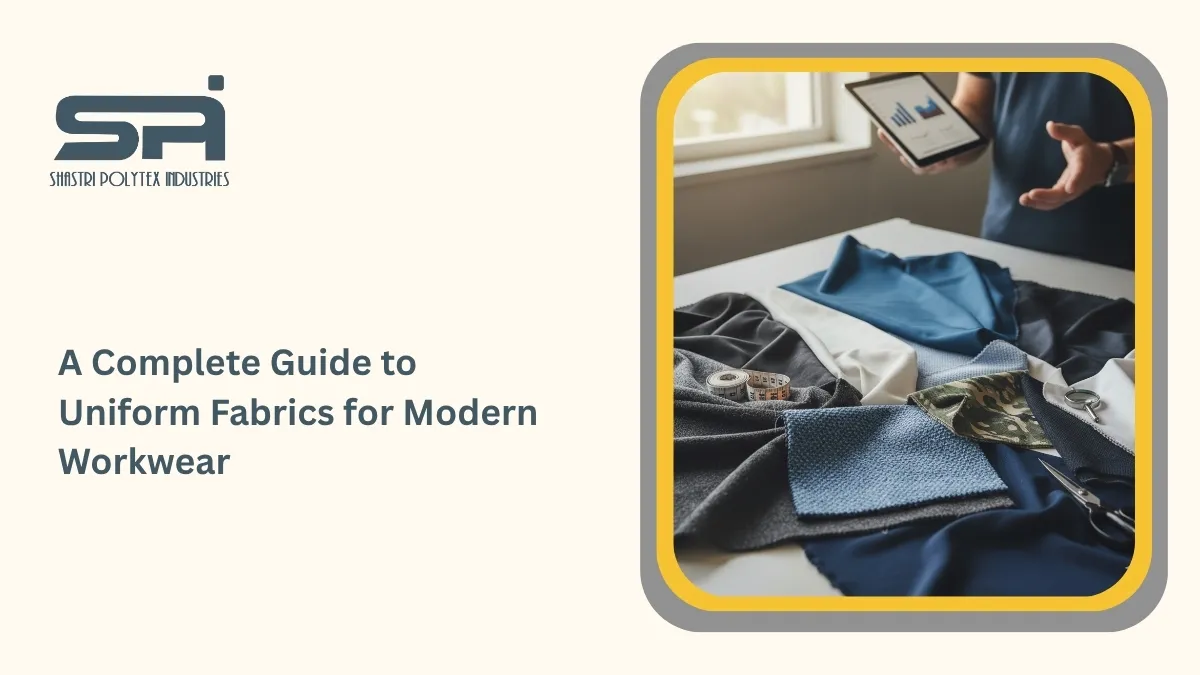
At the heart of every quality uniform is the fabric. The right uniform fabric determines how well a garment performs under daily wear, how comfortable it feels, and how long it lasts. This guide explores the most common types of uniform fabrics, their characteristics, and the factors to consider when selecting the best material for modern workwear.
Why Uniform Fabric Matters
The fabric used in a uniform directly affects employee comfort, appearance, and performance. High-quality fabrics offer durability, breathability, easy maintenance, and resistance to wear and tear. Choosing the right material can also reduce replacement costs and maintain a professional appearance over time.
Additionally, different industries have unique requirements. Healthcare workers need hygienic, easy-to-clean fabrics, while industrial workers require materials with enhanced strength and protective properties. Understanding these needs helps organizations make informed decisions.
Common Types of Uniform Fabrics
Cotton
Cotton is one of the most popular choices for uniforms because it is soft, breathable, and comfortable. It absorbs moisture well, making it ideal for employees working in warm environments or long shifts.
Advantages:
- Soft and comfortable
- Excellent breathability
- Skin-friendly
- Natural fiber
Best suited for:
- Healthcare
- Hospitality
- Educational institutions
- Office uniforms
Polyester
Polyester is a synthetic fabric known for its durability and wrinkle resistance. It retains its shape even after repeated washing and dries quickly, making it a practical choice for everyday workwear.
Advantages:
- Highly durable
- Wrinkle-resistant
- Quick drying
- Color retention
Best suited for:
- Corporate uniforms
- Retail staff
- Security personnel
- Service industries
Cotton-Polyester Blend
Blended fabrics combine the comfort of cotton with the durability of polyester. This combination creates uniforms that are comfortable, long-lasting, and easy to maintain.
Advantages:
- Improved durability
- Comfortable to wear
- Reduced shrinkage
- Easy maintenance
Best suited for:
- Industrial uniforms
- School uniforms
- Hospitality
- General workwear
Twill Fabric
Twill fabric features a distinctive diagonal weave that enhances strength and durability. It resists wrinkles and provides a professional appearance, making it a preferred option for uniforms that require a polished look.
Advantages:
- Strong construction
- Wrinkle resistance
- Long-lasting performance
- Professional finish
Oxford Fabric
Oxford fabric is commonly used for corporate shirts and executive uniforms. It offers a neat appearance while remaining breathable and comfortable.
Advantages:
- Elegant
- Breathable
- Durable
- Suitable for formal uniforms
Performance Fabrics
Modern workplaces increasingly use performance fabrics designed with advanced features such as moisture management, stretch, antimicrobial protection, and UV resistance.
Advantages:
- Moisture-wicking
- Flexible movement
- Odor control
- Lightweight comfort
Best suited for:
- Healthcare
- Sports staff
- Outdoor workers
- Hospitality
Key Factors to Consider When Choosing Uniform Fabric
Comfort
Employees wear uniforms for extended periods, making comfort a top priority. Soft, breathable materials improve overall satisfaction and support productivity throughout the day.
Durability
Frequent washing and daily use require fabrics that maintain their appearance without fading, shrinking, or losing strength.
Ease of Maintenance
Easy-care fabrics reduce laundering costs and save time. Wrinkle-resistant and quick-drying materials simplify uniform maintenance.
Climate Suitability
The working environment plays a major role in fabric selection. Lightweight fabrics work well in warmer climates, while heavier materials provide added protection in cooler conditions.
Safety Requirements
Some industries require specialized fabrics with flame resistance, chemical resistance, or high visibility to meet workplace safety standards.
Appearance
A professional appearance reflects positively on both employees and the organization. Fabrics that maintain color, shape, and structure help uniforms look polished over time.
Sustainable Uniform Fabrics
As sustainability becomes increasingly important, many businesses are choosing environmentally responsible uniform fabrics. Organic cotton, recycled polyester, bamboo blends, and other eco-friendly materials help reduce environmental impact while maintaining quality and performance.
Sustainable fabrics can also enhance a company's corporate social responsibility initiatives and appeal to environmentally conscious customers.
Industry-Specific Fabric Recommendations
- Healthcare: Cotton-polyester blends with antimicrobial finishes.
- Hospitality: Breathable, wrinkle-resistant fabrics that maintain a neat appearance.
- Manufacturing: Durable twill or heavy-duty blended fabrics.
- Corporate Offices: Oxford cotton and premium polyester blends.
- Education: Comfortable, durable cotton blends suitable for daily wear.
- Retail: Lightweight fabrics with excellent color retention and easy maintenance.
Tips for Extending Uniform Life
Proper care significantly increases the lifespan of uniforms. Organizations should follow recommended washing temperatures, avoid harsh bleaching agents unless appropriate, separate colors during laundering, and inspect garments regularly for repairs. Storing uniforms correctly also helps preserve their appearance and durability.
Future Trends in Uniform Fabrics
The future of workwear is driven by innovation. Smart fabric, stretch, recycled fibers, antimicrobial treatments, moisture-management technologies, and eco-friendly manufacturing processes are becoming increasingly common. These advancements improve employee comfort while supporting sustainability and operational efficiency.
Conclusion
Selecting the right uniform fabric is an investment in employee comfort, workplace safety, and brand image. From breathable cotton and durable polyester to advanced performance and sustainable alternatives, each fabric offers unique benefits for different industries.
By understanding fabric characteristics and aligning them with workplace requirements, businesses can create uniforms that are comfortable, professional, long-lasting, and cost-effective. As workwear continues to evolve, choosing high-quality uniform fabrics remains one of the most important decisions for organizations seeking both functionality and a strong professional presence.




























Sign in to leave a comment.