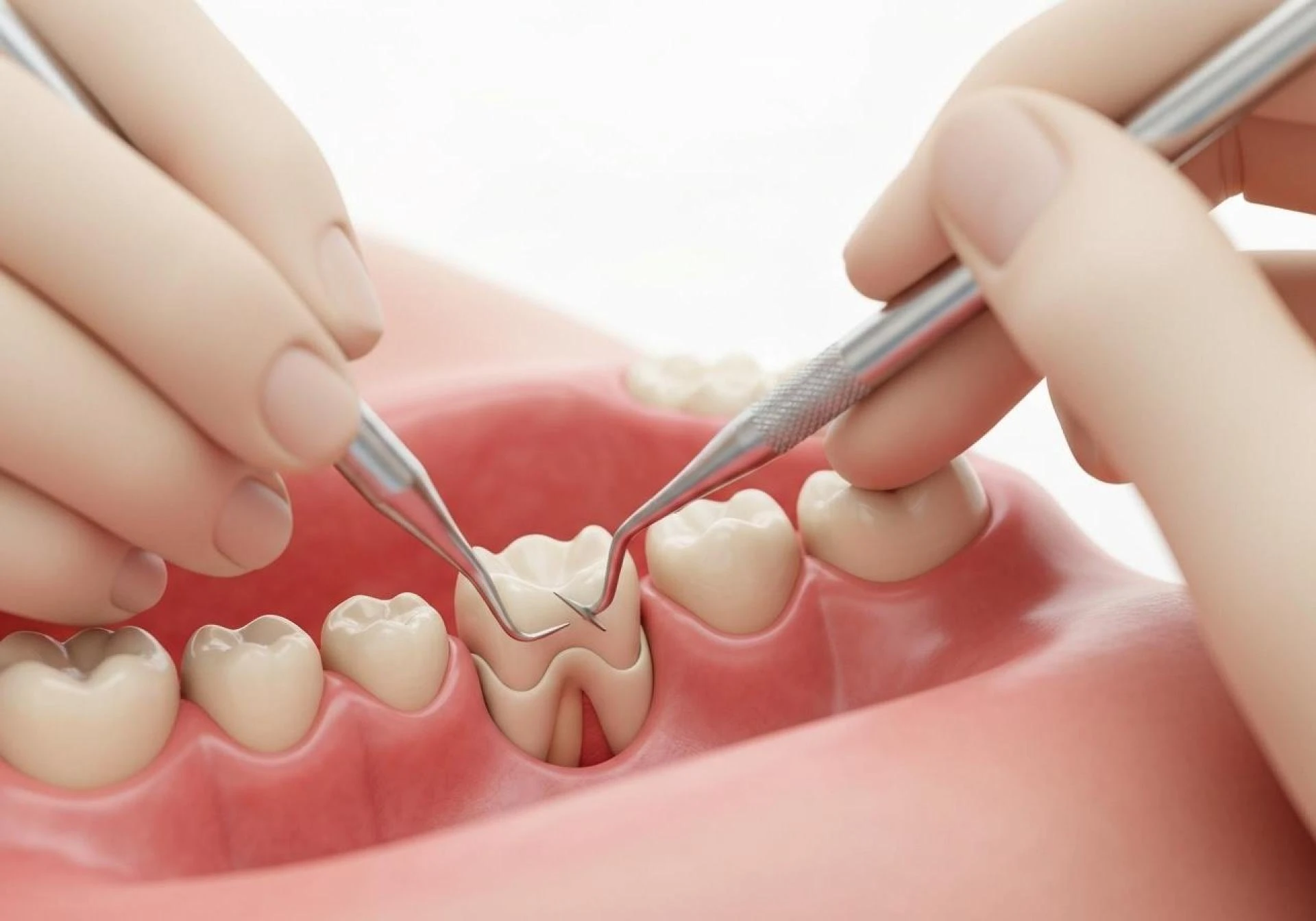

Wisdom tooth extraction is one of the most common dental procedures performed worldwide, yet it often brings a mix of curiosity and anxiety for patients. If your dentist has recommended removing your wisdom teeth due to pain, crowding, or infection, understanding the process can make the experience far less intimidating. This complete guide walks you through everything you need to know—from why removal is necessary to how you can ensure a smooth recovery.
What Are Wisdom Teeth?
Wisdom teeth are the third set of molars located at the very back of your mouth. They usually emerge between the ages of 17 and 25. While some people have no issues with their wisdom teeth, many experience complications due to lack of space in the jaw.
When there isn’t enough room, these teeth may become impacted, meaning they grow at an angle, remain trapped under the gums, or only partially erupt. This can lead to pain, swelling, infection, and even damage to neighboring teeth.
Why Removal Is Necessary
Dentists often recommend removal for several reasons:
- Impaction: Teeth trapped beneath the gums can cause pain and infection.
- Crowding: Extra molars may push other teeth out of alignment.
- Decay and Gum Disease: Hard-to-reach areas are more prone to cavities.
- Cysts or Damage: In rare cases, impacted teeth can affect the jawbone.
Early wisdom tooth extraction is often advised to prevent complications and protect overall oral health.
Preparing for the Procedure
Before the procedure, your dentist or oral surgeon will evaluate your teeth using X-rays to determine their position. You’ll also discuss anesthesia options, such as local anesthesia, sedation, or general anesthesia depending on the complexity.
You may be asked to avoid eating or drinking for several hours before the appointment. Wearing comfortable clothing and arranging for someone to drive you home is also recommended.
The Procedure
The wisdom tooth extraction procedure is typically straightforward and lasts about 30 to 60 minutes. During the process, anesthesia is administered to ensure comfort. If the tooth is impacted, a small incision may be made in the gum.
In some cases, the tooth is divided into smaller pieces for easier removal. Once the tooth is removed, the area is cleaned and stitched if necessary. You may feel pressure, but not pain.
What to Expect After Removal
After the procedure, it’s normal to experience some discomfort as your body begins to heal. Common symptoms include:
- Swelling around the cheeks and jaw
- Mild bleeding
- Pain or soreness
- Limited mouth opening
Proper care after wisdom tooth extraction helps reduce discomfort and speeds up healing.
Recovery Timeline
Recovery varies from person to person, but here’s a general idea:
- First 24 hours: Blood clot forms; rest is important
- 2–3 days: Swelling peaks and starts to reduce
- 1 week: Initial healing takes place
- 2 weeks: Most discomfort fades
Complete healing may take a few weeks, depending on the case.
If you are considering wisdom tooth extraction in Patia, choosing an experienced dental provider like The Partha’s Dental Implant Clinic can make a significant difference in both the procedure and recovery experience. Proper care after treatment helps reduce discomfort and speeds up healing.
Recovery Tips
Following the right aftercare routine is essential after any dental surgery:
1. Protect the Blood Clot
Avoid using straws or smoking, as this can dislodge the clot and delay healing.
2. Manage Pain and Swelling
Use prescribed medication and apply ice packs to reduce swelling.
3. Eat Soft Foods
Stick to foods like yogurt, soups, and mashed potatoes for the first few days.
4. Maintain Oral Hygiene
Keep your mouth clean with gentle rinsing after the first 24 hours.
5. Rest and Hydrate
Give your body enough rest to recover properly.
Possible Complications
Although generally safe, some complications may occur after wisdom tooth extraction, such as:
- Dry socket
- Infection
- Nerve sensitivity
- Prolonged bleeding
If symptoms worsen or don’t improve, contact your dentist immediately.
Wisdom tooth extraction may seem overwhelming, but it is a routine and effective procedure that helps prevent long-term dental issues. With proper care and guidance, recovery can be smooth and manageable.
If your dentist recommends this procedure, timely action can save you from unnecessary pain and future complications.


























Sign in to leave a comment.