
Modern dentistry has evolved far beyond simple fillings and extractions. Today, it focuses not only on oral health but also on restoring function, aesthetics, and overall quality of life. One of the most transformative advancements in this field is dental implantology—and at the center of it is the dental implant specialist. These professionals play a crucial role in helping patients regain confident smiles and proper oral function through advanced, long-lasting solutions.
Understanding Dental Implants
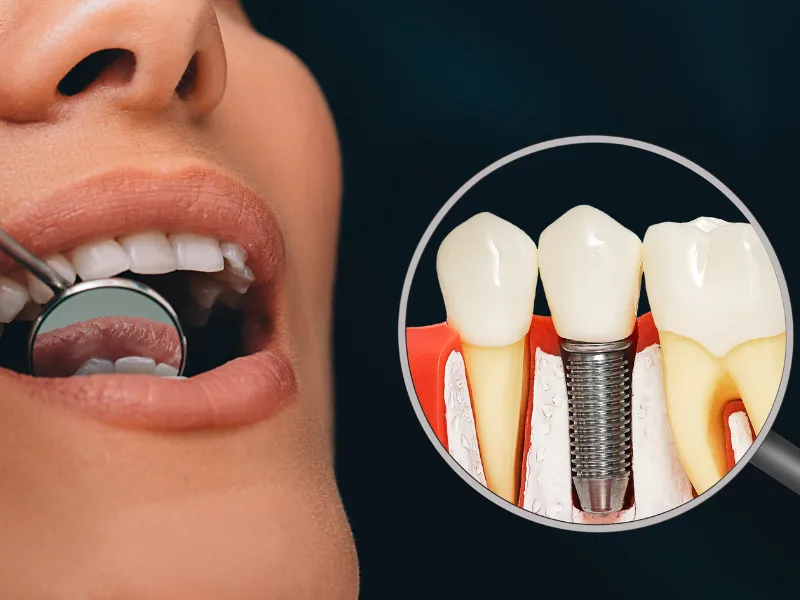
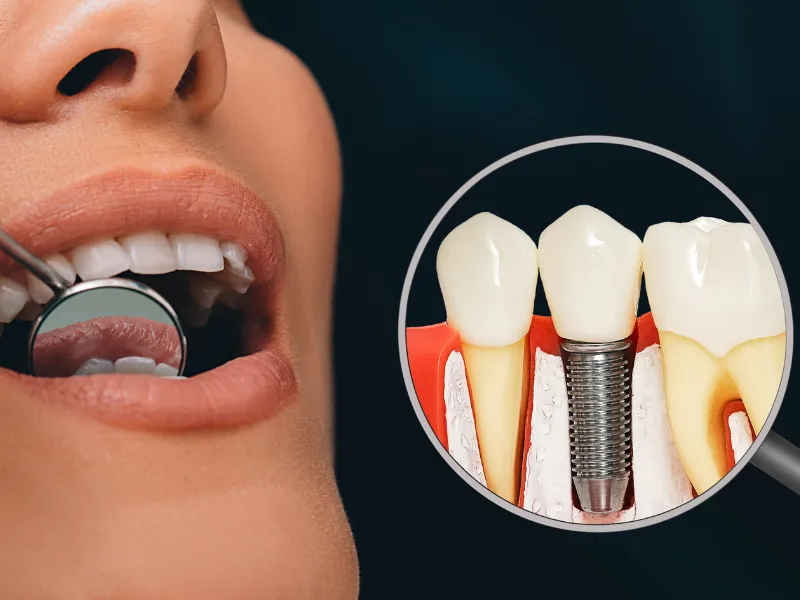
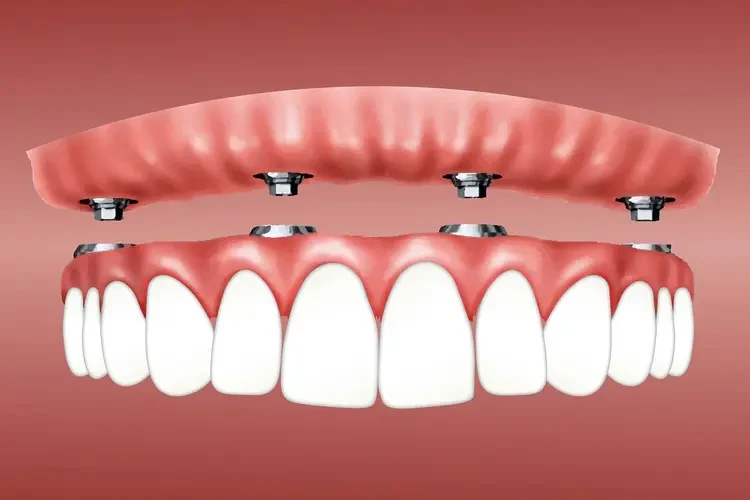
Dental implants are artificial tooth roots, typically made of titanium, that are surgically placed into the jawbone to support replacement teeth such as crowns, bridges, or dentures. Unlike traditional tooth replacement methods, implants are designed to fuse with the bone, creating a stable and durable foundation.
This is where a dental implant specialist becomes essential. Their expertise ensures that implants are not only placed correctly but also integrate successfully with the patient’s oral structure.
Who Is a Dental Implant Specialist?
A dental implant specialist is a trained dental professional—often a periodontist, oral surgeon, or prosthodontist—who focuses on the placement and restoration of dental implants. These specialists undergo additional education and hands-on training beyond general dentistry to master implant procedures, bone grafting, and advanced diagnostic techniques.
Their role goes beyond simply placing implants. They are responsible for evaluating a patient’s oral health, planning the treatment, performing surgery, and ensuring proper aftercare.
Comprehensive Patient Evaluation
One of the primary responsibilities of a dental implant specialist is conducting a thorough evaluation of the patient. This includes assessing oral health, bone density, gum condition, and overall medical history. Advanced imaging technologies such as 3D scans and digital X-rays are often used to create precise treatment plans.
This detailed assessment helps determine whether the patient is a suitable candidate for dental implants. In cases where bone loss has occurred, the specialist may recommend procedures like bone grafting to prepare the jaw for implant placement.
Customized Treatment Planning
Every patient’s dental structure is unique, which means implant procedures cannot follow a one-size-fits-all approach. Dental implant specialists design personalized treatment plans tailored to each individual’s needs.
They consider factors such as the number of missing teeth, the condition of surrounding teeth, and the patient’s aesthetic goals. This customization ensures optimal results, both functionally and visually.
Surgical Expertise
The surgical placement of dental implants is a highly precise procedure that requires advanced skills and experience. A dental implant specialist uses modern techniques and tools to ensure accurate placement with minimal discomfort.
Their expertise reduces the risk of complications and improves the success rate of the procedure. With proper placement, implants can last for decades, making them one of the most reliable solutions in dentistry.
When searching for the top dental implant specialist in Bhubaneswar, patients often look for experience, advanced technology, and a strong track record of successful treatments. Clinics like The Partha’s Dental Implant Clinic have built a reputation for delivering high-quality implant solutions with a patient-centric approach.
At this stage in the treatment journey, choosing the right clinic and specialist becomes crucial. A trusted name ensures not only successful implant placement but also a comfortable and reassuring experience throughout the process.
Collaboration with Other Dental Professionals
Dental implant specialists often work as part of a multidisciplinary team. They collaborate with general dentists, orthodontists, and prosthodontists to provide comprehensive care.
For example, while the specialist may handle the surgical placement of the implant, a prosthodontist or general dentist may design and place the final crown or prosthetic tooth. This teamwork ensures that the patient receives well-rounded treatment that addresses both health and aesthetics.
Focus on Aesthetics and Functionality
Modern dentistry places a strong emphasis on achieving natural-looking results. Dental implant specialists understand the importance of both aesthetics and functionality.
They carefully position implants to align with the patient’s natural bite and facial structure. This attention to detail ensures that the final result looks and feels like a natural tooth. Patients can eat, speak, and smile with confidence, without worrying about discomfort or instability.
Managing Complex Cases
Not all dental implant procedures are straightforward. Some patients may have underlying conditions such as severe bone loss, gum disease, or previous dental failures. Dental implant specialists are trained to handle these complex cases.
They use advanced techniques such as sinus lifts, bone grafts, and guided implant surgery to overcome challenges and achieve successful outcomes. Their expertise allows more patients to benefit from dental implants, even in difficult situations.
Post-Procedure Care and Maintenance
The role of a dental implant specialist does not end with the surgery. Post-procedure care is equally important for long-term success. Specialists provide detailed guidance on oral hygiene, diet, and follow-up visits.
Regular monitoring helps ensure that the implant integrates properly and remains in good condition. Patients are educated on maintaining their implants, which can significantly extend their lifespan.
Advancing Technology in Implant Dentistry
Dental implant specialists are at the forefront of adopting new technologies. Innovations such as computer-guided surgery, digital impressions, and minimally invasive techniques have revolutionized implant procedures.
These advancements make treatments faster, more accurate, and less painful for patients. Specialists continuously update their skills to stay aligned with the latest developments in the field.
Improving Quality of Life
Perhaps the most significant contribution of a dental implant specialist is the impact they have on a patient’s quality of life. Missing teeth can affect not only oral health but also self-esteem and social interactions.
By restoring a complete and functional smile, dental implants help patients regain confidence and improve their overall well-being. The ability to eat comfortably and speak clearly can make a profound difference in daily life.
Conclusion
The role of a dental implant specialist in modern dentistry is both vital and multifaceted. From initial evaluation and treatment planning to surgical placement and aftercare, these professionals ensure that patients receive safe, effective, and long-lasting solutions for missing teeth.
As dental technology continues to advance, the importance of skilled implant specialists will only grow. Their expertise bridges the gap between health and aesthetics, offering patients the opportunity to restore not just their smiles, but also their confidence and quality of life.
If you are considering dental implants, consulting a qualified dental implant specialist is the first step toward achieving a healthier, more confident smile.




























Sign in to leave a comment.