

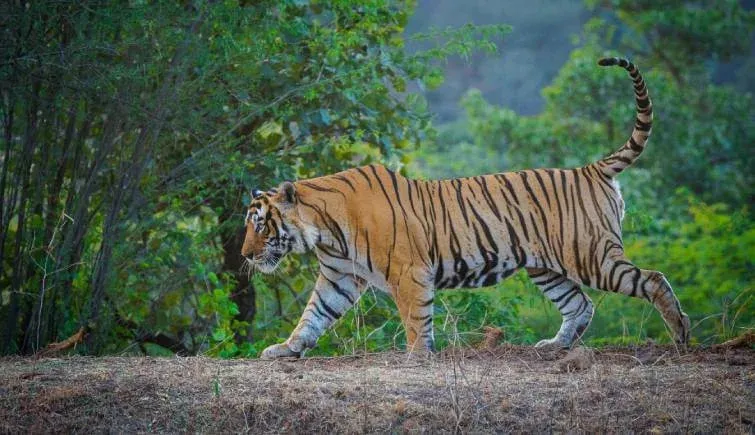
When you plan a trip to the wilderness of Rajasthan, staying at the best resort in Ranthambore provides the perfect base to explore the region’s incredible blend of untamed nature and ancient human endeavor. While the tigers are the main stars of the national park, the imposing Ranthambore Fort holds secrets that have echoed through the Aravalli hills for centuries. Standing at a height of 700 feet, this structure is more than just a relic; it is a testament to the resilience and strategic brilliance of the Chauhan dynasty who first laid its foundations back in the 10th century.
The Strategic Origins of a Rajput Stronghold
Historians often debate the exact origins of the fort, but most agree that the Chauhan rulers established it as a critical defensive point. By the 12th century, it was known as Ranastambhapura, a name that literally translates to the "City of the Battle Post." Its location was no accident. Surrounded by the dense forests of what is now the national park, it offered a natural vantage point that made it nearly impossible for invading armies to approach unnoticed. For those looking to immerse themselves in this history while enjoying modern comforts, booking a Ranthambore 2N 3D Couple Package is a fantastic way to experience both the past and the present of this region.
Battles, Sieges, and the Legend of Hammir Dev
The narrative of this fort is defined by blood, bravery, and betrayal. One of the most famous chapters in its long timeline involves the year 1301, when Alauddin Khilji, the Sultan of Delhi, laid siege to the gates. The ruler at the time, Rao Hammir Dev, is still celebrated in local folklore. His refusal to surrender a political refugee to the Sultan ignited a conflict that would eventually lead to the legendary jauhar, or mass self-immolation, performed by the royal women to protect their honor. This tragic event remains etched in the stone walls of the fort, serving as a poignant reminder of the high price paid for independence during the medieval era.
Architectural Evolution Under Diverse Rulers
Following the fall of the Chauhan dynasty, the fortress changed hands multiple times, each empire leaving a distinct mark on its architecture. You can still see the layered influence of:
- The Delhi Sultanate, which added Islamic defensive features to the existing Rajput layout.
- Mughal emperors, including Akbar, who recognized the site’s immense value for controlling trade routes.
The Kachwaha Maharajas of Jaipur, who later integrated the surrounding forests into their private hunting grounds.
Walking through the Toran Dwar or standing before the Mahadeo Chhatri today, you get a tangible sense of how these different cultures fused to create the unique character of the site.
Religious Harmony Within the Ramparts
Interestingly, the fort serves as a place of rare spiritual convergence. Within the massive walls, you will find temples dedicated to Lord Ganesha, Shiva, and Ramlalaji, standing alongside ancient mosques and a sacred Jain temple dedicated to Lord Sumatinath. This harmony reflects a period where rulers, regardless of their background, understood the value of respecting the diverse beliefs of their subjects. The Trinetra Ganesha temple, in particular, remains a focal point for thousands of devotees who travel here every year, adding a vibrant, living energy to the silent, ancient stones.
From Military Bastion to Heritage Site
As artillery evolved and warfare changed, the military necessity of such hill forts began to wane. By the 17th century, the site transitioned from a primary battle station to a protected monument. It wasn't until the 20th century that the surrounding territory was designated as a wildlife sanctuary, eventually becoming one of the most famous tiger habitats in the world. Today, as a UNESCO World Heritage Site under the “Hill Forts of Rajasthan” banner, it stands as a bridge between the regal history of the Rajputs and the urgent need for wildlife conservation. When you visit, you aren't just walking through an old structure; you are tracing the footsteps of kings, rebels, and saints who once defined the soul of this land. Exploring this site after a morning safari is an essential part of the complete Ranthambore experience, offering a quiet, contemplative contrast to the wild excitement of tracking big cats in the brush.

























Sign in to leave a comment.