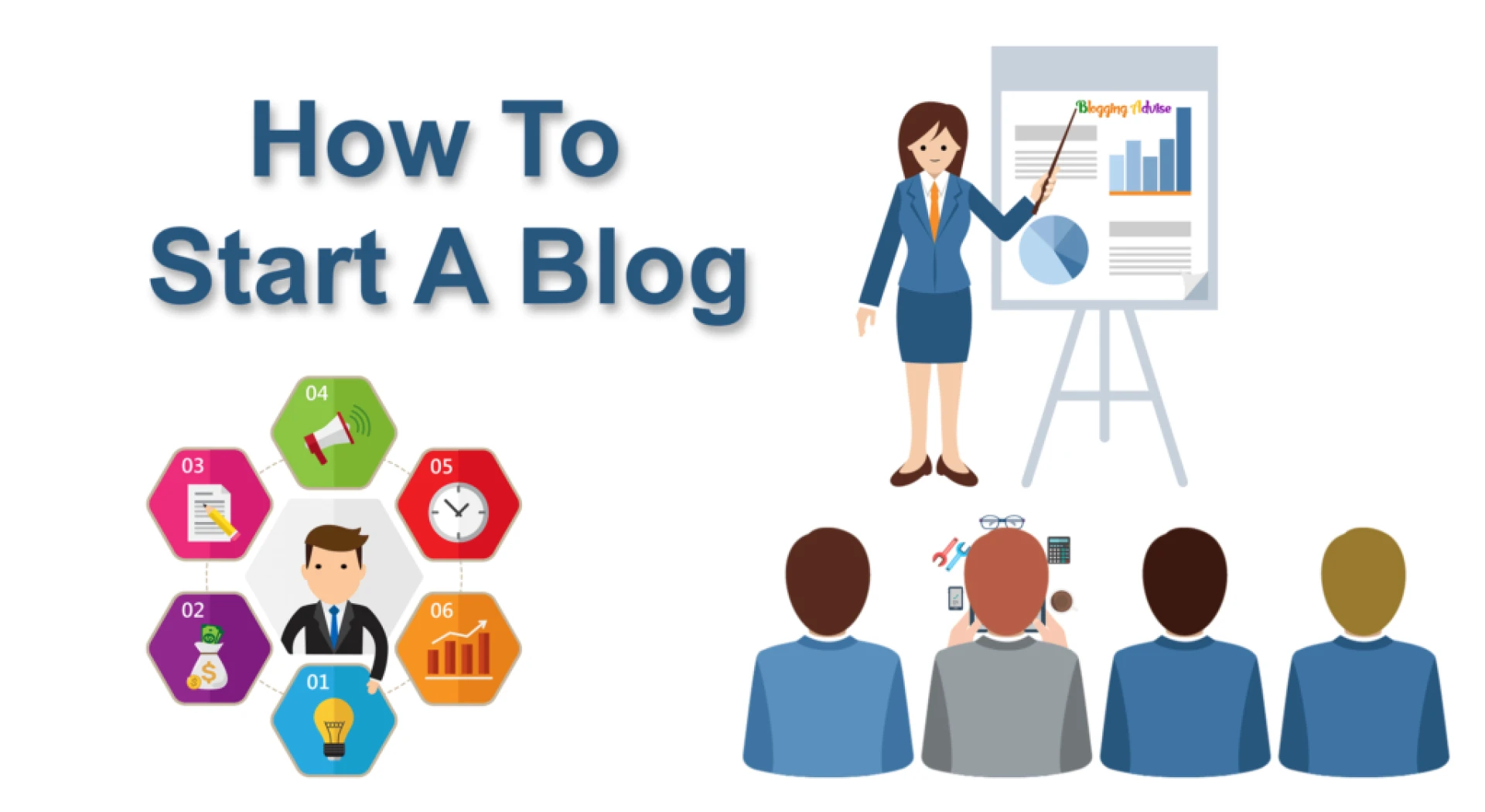

Are you new to blogging? Publishing your first blog is exciting but also filled with pitfalls and difficulties. How do you select the right hosting platform, create and design your blog, and advertise it?
How can you ensure that your blog appears in search results? What platform for blogging is excellent for you, and why? These are all legitimate questions about small business blogs that need thorough answers.
It’s worth spending time on blog posts because they are among the most popular marketing channels, providing the highest return on investment (ROI).
Read on to find out how to start a blog for your business.
Choose a Blogging Platform
The first step in establishing your blog is to choose the best blogging platform. You can also select a Content Management System (CMS) to publish your content.
Many people suggest Wix because it\'s an all-around blogging platform that meets all requirements. Wix\'s blog platform is relatively easy to learn and offers various attractive designs and templates.
It also includes tools to evaluate your blog\'s performance and increase the value of your content, which will be useful as you set up your blog and increase your audience.
Pick a Platform for Hosting
Once you decide on your preferred blogging platform, select a hosting platform. Like other websites, blogs require a host.
The host stores the website on a server using a unique address so visitors can easily access it. You must purchase a separate web hosting service if you use other website builders, like WordPress. Some popular choices are:
- BlueHost
- HostGator
- GoDaddy
- DreamHost
Find the Profitable Niche for Your Blog
Now it’s time to choose the primary aspects that will form the basis of your blog, from the website\'s URL or domain title to its content and appearance.
Your blog\'s subject matter is also a key concern - what do you want to focus on?
The most important thing is to select one specific area of interest, which will be the primary element of your blog and content strategy.
As there are many other blogs that focus on similar topics, finding a way to stand out while writing about what you love is essential.
Here are three easy steps to help you choose the right blog topic—one that aligns with your interests and can be profitable and expandable:
- Narrow your focus
- Research your audience
- Verify if it is profitable
Pick Your Blog\'s Name and a Domain
There are three primary options you could take when naming your blog:
- Your first and last name
- Name of your B2B company
- A fresh and innovative name
When you choose the name of your blog, consider the persona you would like it to reflect. Should it be formal and professional? Offbeat and edgy? If you\'re having trouble deciding on name ideas for your website, try a blog name generator.
Create and Design Your Blog
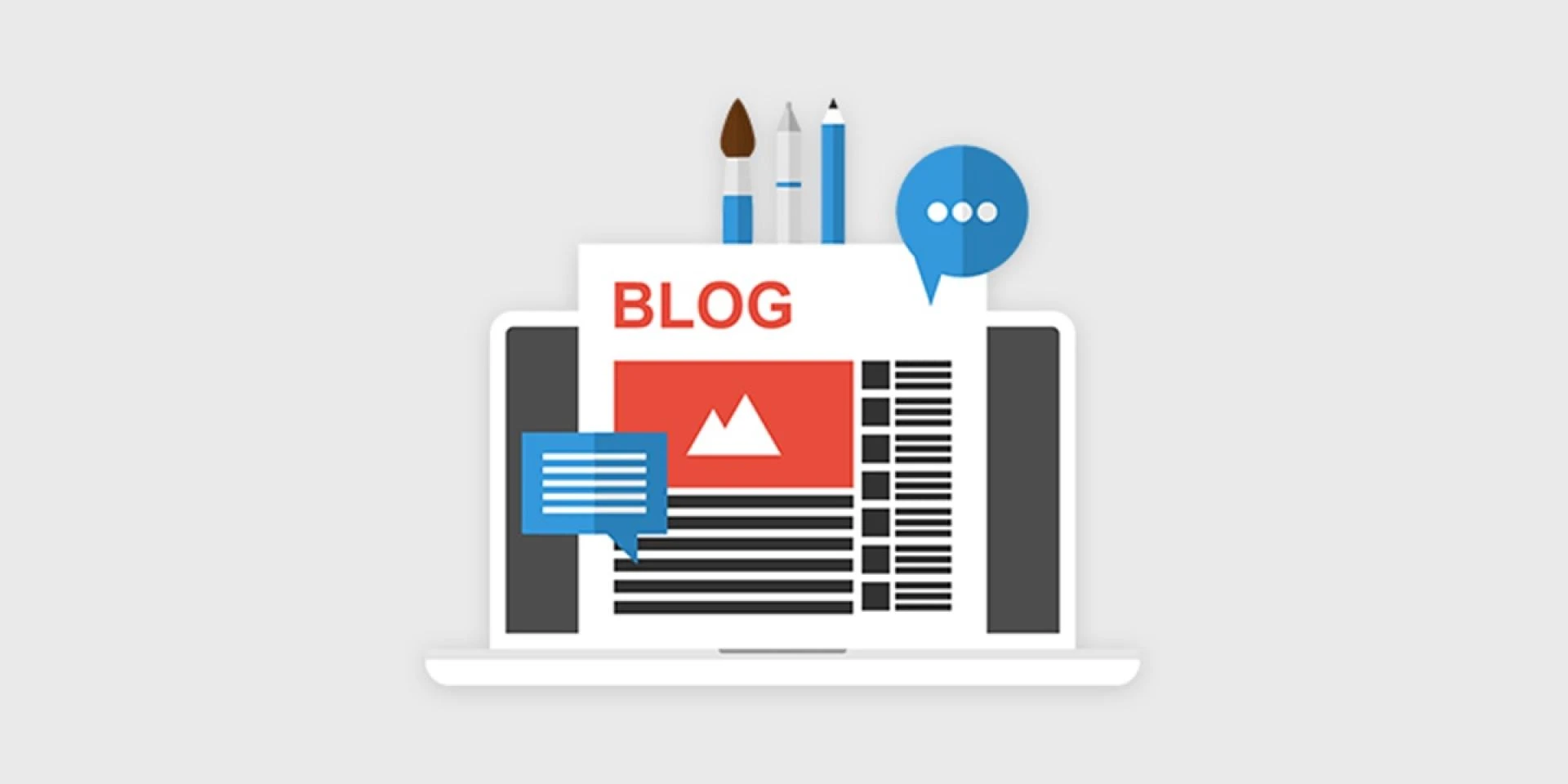
- Select the blog template you want to use.
- Determine which pages you want to include.
- Get indexed on search engines
- Create a logo for your blog
Once you\'ve selected a hosting and blogging platform, a domain name, and a blog subject, you\'re now equipped with the necessary information to set up your blog.
Decide Which Pages You Want To Include
After selecting the template, you must consider the pages you want to include. Most blogs have more than a page for their blog articles.
They could also include an online store or a contact page. Here\'s a quick overview of the various choices you have when it comes to designing your blog:
- Contact Page: You can include your email address so potential business clients can reach out to you. You can also include a contact form so users can contact you directly on your website.
- About Page: This page informs your readers who you are, what you do, and why you do it. It provides some context for your blog.
- Online Store: If you plan to sell items related to your blog, create a store page. This page could be called ‘Products’ or ‘Shop’.
If you\'re looking to build your blog by adding additional pages, you can create a tutorials page, a Now Trending page, and services pages, which are all popular choices.
Additionally, some blogs put their content directly on the homepage, while others prefer to keep their blog homepages and services pages distinct. If you decide to do this, ensure that you add a navigation menu so visitors can access your blog as easily as other pages.
Experiment with various choices to find the one that best suits your style and preferences. Remember, you can add or remove pages as your blog develops.
Brainstorm Blog Topics for Your Blog
Now your blog is set up and ready to go, it\'s time to decide on topics to begin with. Start by considering your successes, experiences, failures, or discoveries related to your expertise.
What insights do you have to share? What ideas do you want to explore further? While brainstorming, try getting into the minds of your readers. Here are some questions to help you in the process:
- What qualities does my intended audience have?
- What topics would my audience be interested in?
- What challenges does my audience face?
You can also brainstorm concepts using a topic cluster. A topic cluster is an organized system that connects similar posts using a series of internal links.
Although this is typically considered an aspect of SEO, you can think of it as an idea map to develop new topics. With this method, a broad subject matter can be broken down into smaller subtopics and then into more specific topics.
Any of these could make a blog article.
Write Your First Blog Post
- Begin by conducting a keyword study
- Find an appropriate title for your blog post
- Write down your key ideas
- Write engaging content
- Insert images
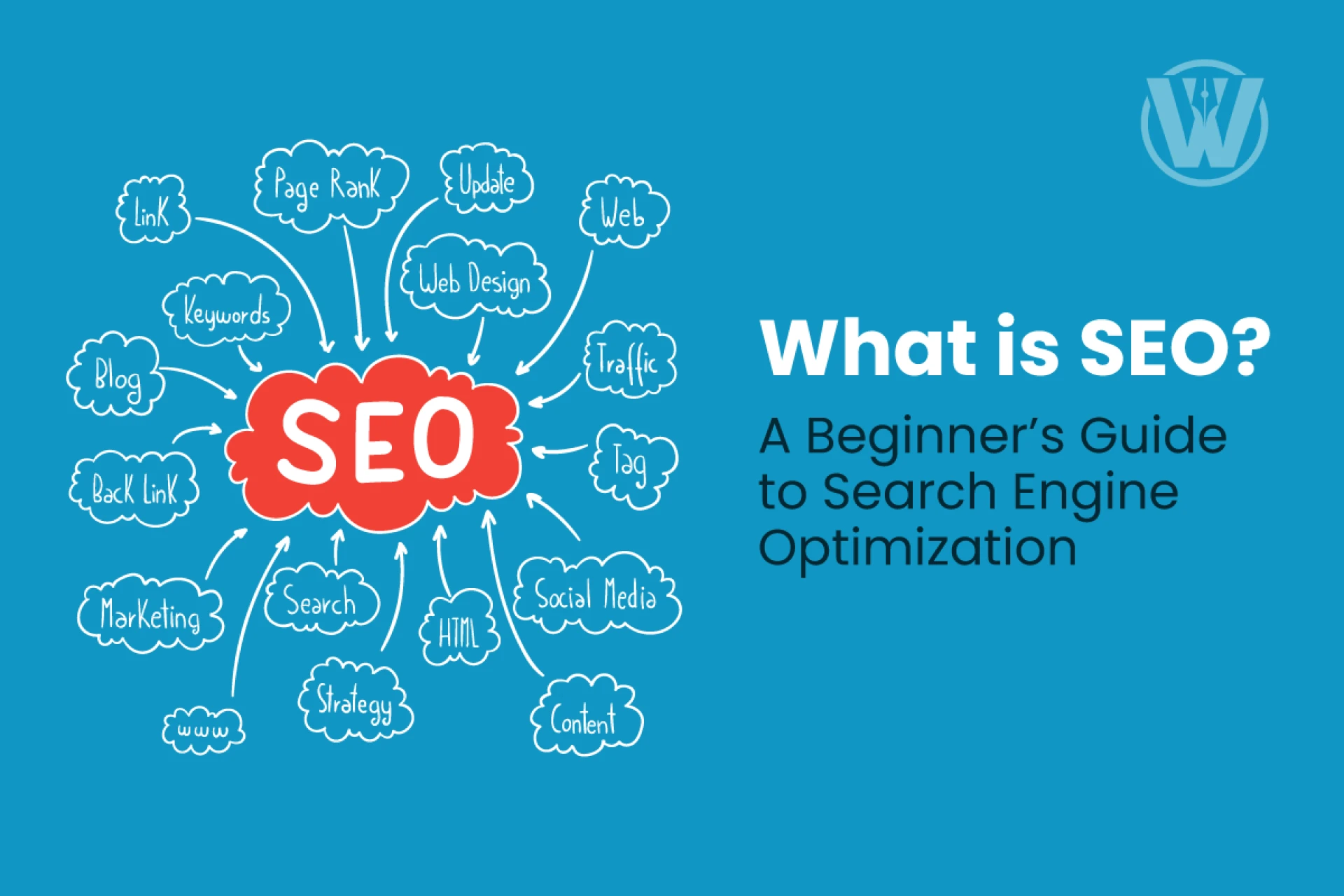
- Optimise for SEO
- Edit and then publish
Design an Editorial Calendar
You\'ve just published the first post on your blog, now it’s time to plan the rest of the month\'s posting schedule.
Establishing your editorial calendar is crucial. It\'s an excellent method for publishing content regularly.
Your readers expect new content, and you must meet their needs. In addition, search engines consider the frequency of your updates when determining your website\'s overall rank. You already have some ideas from your brainstorming session.
If not, follow the same method to generate fresh ideas. If you have at least ten ideas, you can begin creating your content calendar.
Advertise Your Blog
- Share your story on social media
- Create a blog-based newsletter
- Write for other websites
- Reach out to a community you already have
- Participate in discussions and questions on websites
- Invest in paid ads
- Try out new content formats
Final Thoughts
When writing your first blog post, take a deep breath and be patient. Particularly at first, as you\'re new to blogging, you\'ll have to spend a lot of time ensuring that your content is high quality and worthy of clicking.
Once you become accustomed to the process, you\'ll probably be able to accelerate it. However, you can only make a first impression once, so take your time writing your first blog post and ensure it is successful!
Contact
Looking for help with blog writing? Contact Us!
Serving 1000+ small B2B business owners since 2017, 100 Pound Social provide done-for-you social media plans - from £100 a month:
Your dedicated UK-based Content Creator will:
🧑💻 Create high-quality, bespoke social media content (no AI or bots)
📈 Build a cohesive social media presence for your business
🕥 Allow you to save time and focus on your business
Visit 100poundsocial.com to find out how 100 Pound Social will:
✅ Boost your business online with consistent & relevant content
✅ Save you 18x the cost of hiring in-house
✅ Save you 20 hours per month
Find out more:
👉🏻 Plans
👉🏻 Book a call
























Sign in to leave a comment.