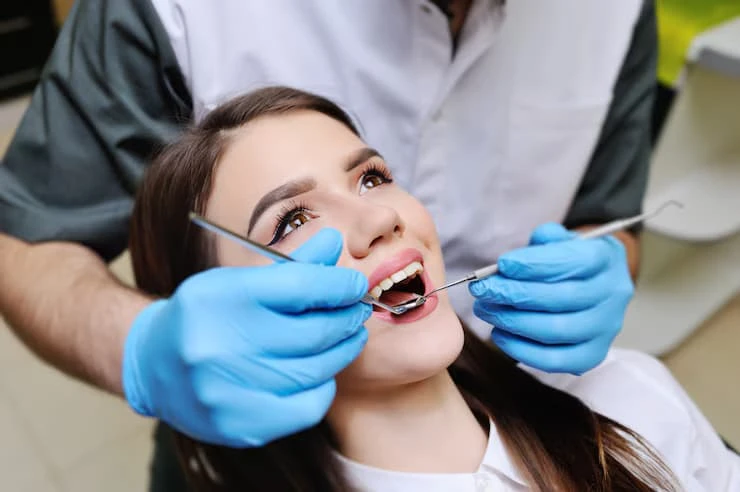

Orthodontics has evolved far beyond the traditional methods that many people may remember from their childhood. Modern advances now provide patients with more comfortable, discreet, and effective ways to achieve straighter teeth and improved oral health. The range of choices available today makes it possible for individuals of all ages to find a solution that suits their lifestyle, needs, and expectations. This guide explores the latest developments in orthodontic treatment, highlighting the different options, their benefits, and what patients should consider before making a decision.
The Purpose of Orthodontic Treatment
Orthodontic treatment is designed to correct problems with the alignment of teeth and jaws. Issues such as overcrowding, spacing, overbites, underbites, crossbites, and open bites can all affect oral health, function, and appearance. Misaligned teeth may be more difficult to clean, leading to a higher risk of decay or gum disease, while jaw irregularities can contribute to speech difficulties and discomfort when chewing.
The benefits of seeking orthodontic care are not limited to aesthetics. While a straighter smile often improves self-confidence, treatment also plays an essential role in supporting long-term oral health by promoting better bite function and reducing wear on teeth.
Traditional Metal Braces
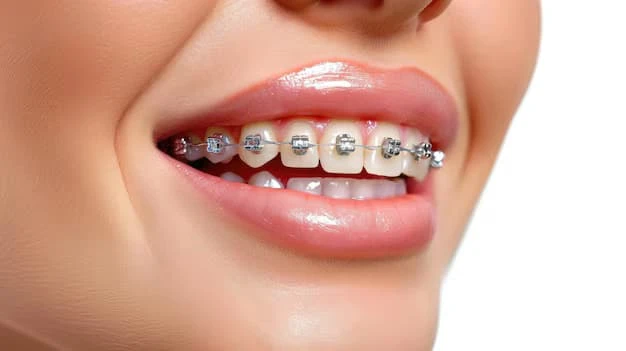
For many years, fixed metal braces have been the most common form of orthodontic treatment. These braces use brackets attached to the teeth and connected by wires that are gradually tightened to guide teeth into the correct position.
Advantages
- Effective for treating a wide range of complex orthodontic problems.
- Strong and durable, making them suitable for younger patients or those with significant alignment issues.
- Continuous progress without relying heavily on patient compliance, since they are not removable.
Considerations
- Their visibility can make some patients self-conscious.
- They require regular adjustments.
- Certain foods may need to be avoided to prevent damage.
Despite being the oldest form of treatment, metal braces remain highly reliable and continue to be used widely for complex cases.
Ceramic Braces
Ceramic braces work in a similar way to metal braces but use tooth-coloured or clear brackets. This makes them less noticeable, offering a more discreet choice for patients who need fixed appliances but prefer a subtler look.
Advantages
- Blend with the natural colour of teeth for a more cosmetic appearance.
- Effective for a broad range of orthodontic needs.
Considerations
- Ceramic brackets can be more fragile than metal ones.
- They may be slightly larger, which can cause minor irritation initially.
- Regular cleaning is important to prevent staining of the brackets or ligatures.
Ceramic braces provide an excellent middle ground between traditional braces and clear aligners, especially for adults who want effective results without a highly visible appliance.
Lingual Braces
Lingual braces are fitted behind the teeth, on the inner surface, making them virtually invisible to others. They function in the same way as traditional braces, but their placement makes them a popular option for those seeking complete discretion.
Advantages
- Hidden from view, offering an aesthetic solution.
- Effective for many orthodontic conditions, even complex cases.
Considerations
- They can feel unusual on the tongue and may affect speech initially.
- Oral hygiene requires more attention due to their placement.
- Adjustments can sometimes be more time-consuming.
Lingual braces are particularly appealing to professionals or individuals who want the effectiveness of braces without the visibility.
Clear Aligners
Clear aligners have transformed orthodontic treatment by offering a removable and nearly invisible alternative to braces. These custom-made trays are worn over the teeth and replaced every few weeks as the teeth gradually move into alignment.
Advantages
- Almost invisible, providing a highly discreet treatment option.
- Removable, allowing for easier cleaning of teeth and the freedom to eat without restrictions.
- Comfortable, with no metal brackets or wires.
Considerations
- Require discipline to wear for the recommended 20–22 hours per day.
- May not be suitable for very complex orthodontic cases.
- Regular replacements mean ongoing responsibility for care and maintenance.
Clear aligners are popular among adults and teenagers seeking a flexible and subtle way to straighten their teeth.
Self-Ligating Braces
Self-ligating braces resemble traditional metal or ceramic braces but use a specialised clip system instead of elastic bands to hold the wires in place. This design allows for smoother movement of teeth and potentially shorter appointment times.
Advantages
- Easier to clean, with fewer places for food to become trapped.
- May reduce discomfort compared to traditional braces.
- Often require fewer adjustments, saving time during treatment.
Considerations
- While less noticeable than traditional braces, they are still visible.
- They may not be as discreet as clear aligners.
This option is particularly useful for patients who want the effectiveness of braces combined with improved comfort and efficiency.
Accelerated Orthodontics
Some modern techniques are designed to shorten treatment time. These methods may involve the use of devices or procedures that stimulate the bone around teeth, allowing them to move more quickly. While not suitable for everyone, accelerated orthodontics can appeal to those looking for faster results.
Advantages
- Potentially shorter overall treatment time.
- Can be combined with other orthodontic methods.
Considerations
- Not widely available in every practice.
- Suitability depends on the patient’s oral health and treatment goals.
Accelerated options highlight how innovation in orthodontics is addressing the growing demand for efficient and convenient care.
Orthodontics for Children and Adults
Orthodontic treatment is no longer seen as something reserved for teenagers. Many adults are now choosing to improve their smiles and oral health with modern techniques that fit more easily into their lifestyles. Clear aligners and lingual braces, in particular, have encouraged more adults to seek treatment without feeling self-conscious.
For children, early orthodontic assessment is recommended as it allows potential issues to be identified before they become more severe. In some cases, early intervention can make future treatment quicker and less complicated.
Factors to Consider When Choosing Treatment
Selecting the right orthodontic treatment involves careful thought and guidance from a dental professional. Some of the key considerations include:
- Severity of alignment issues – Complex cases may require traditional or lingual braces, while mild to moderate cases may be treated with clear aligners.
- Aesthetic preferences – Those concerned about appearance may prefer ceramic braces, lingual braces, or aligners.
- Lifestyle and compliance – Removable aligners require discipline, whereas fixed braces work continuously.
- Comfort – Some patients adapt quickly to braces, while others may prefer the smooth surfaces of aligners.
- Treatment time – The type of treatment chosen may influence the duration of care.
- Budget – Different methods come with varying costs, which may affect the final choice.
The Future of Orthodontic Care
Advancements in digital technology, including 3D imaging and computer-aided design, have significantly improved the precision and predictability of orthodontic treatment. Patients can now often preview expected results before beginning, offering reassurance and motivation. With continued innovation, treatments are becoming faster, more comfortable, and increasingly tailored to individual needs.
Orthodontics is now more accessible and versatile than ever, making it possible for people of all ages to enjoy the benefits of a healthier, straighter smile. By understanding the wide range of modern options, patients can make informed choices that align with both their dental needs and personal preferences.


























Sign in to leave a comment.