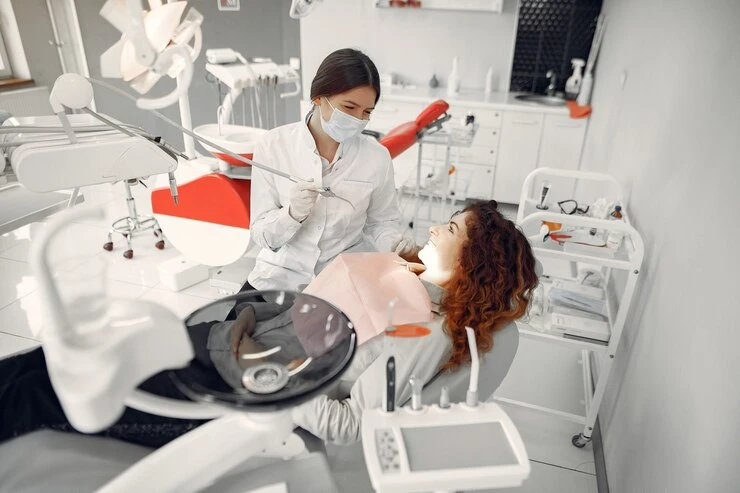

A bright, confident smile is often seen as a reflection of health and vitality. Over time, however, teeth can lose their natural sparkle due to lifestyle choices, ageing, or even genetic factors. This has led to a rise in the popularity of professional whitening options, with many people turning to dental care providers to enhance their smiles. Understanding what to expect during a teeth whitening treatment can ease uncertainty and help you prepare for the process.
Why Consider a Teeth Whitening Treatment?
Everyday habits, such as drinking coffee, tea, or red wine, can gradually stain the enamel. Tobacco use and certain foods are also known contributors to discolouration. Even with regular brushing and good oral hygiene, stains can still build up over time.
While shop-bought whitening kits exist, many people prefer professional treatments due to their safety, effectiveness, and longer-lasting results. A professional teeth whitening treatment is designed to lighten teeth several shades, creating a fresher and more youthful appearance.
The Initial Consultation
Before undergoing any whitening procedure, you will usually have an initial consultation with a dental professional. This step is essential as it ensures that the treatment is suitable for you. During the consultation:
- Assessment of Oral Health: Your teeth and gums will be examined to identify any underlying issues such as cavities, gum disease, or tooth sensitivity. Whitening is generally not recommended until such issues are addressed.
- Shade Evaluation: The natural shade of your teeth will be assessed, and a target shade discussed. This helps set realistic expectations.
- Discussion of Options: You may be presented with different whitening methods, such as in-chair treatments using advanced technology or take-home kits provided by the dental professional.
This stage is also an opportunity to ask questions and discuss any concerns about the process.
Preparation for the Treatment
Once you are deemed suitable for a teeth whitening treatment, preparation begins. This usually involves:
- Professional Cleaning: A thorough clean may be carried out to remove plaque, tartar, and surface stains. This allows the whitening agent to work more effectively.
- Protection of Gums and Lips: During an in-chair procedure, protective barriers or gels are often applied to shield the soft tissues from irritation caused by the whitening gel.
- Shade Recording: The initial colour of your teeth is recorded to help compare results after the treatment.
Preparation ensures both comfort and safety throughout the whitening process.
The Whitening Procedure
A professional teeth whitening treatment typically involves the application of a bleaching agent, such as hydrogen peroxide or carbamide peroxide. The procedure is usually straightforward and painless. Here’s how it often unfolds:
- Application of Whitening Gel
- A whitening gel is carefully applied to the surface of your teeth. The strength of this gel is significantly higher than what is available in over-the-counter products, making it more effective.
- Activation of the Gel
- In some treatments, a specialised light or laser is used to activate the whitening gel. This helps speed up the process and enhance the results. Not all whitening systems use light activation, but those that do typically complete the treatment in a shorter time frame.
- Multiple Applications
- The gel may be reapplied several times during the session, depending on the desired results and the level of discolouration present. Each application usually lasts between 15 to 20 minutes.
- Monitoring and Comfort
- Throughout the process, the dental professional monitors your comfort and progress. Any signs of sensitivity or discomfort are addressed immediately.
The entire in-chair procedure typically takes about an hour, though this can vary depending on the system used.
Immediate Results and Aftercare
One of the main advantages of a professional teeth whitening treatment is the speed of results. Many people notice a visible difference immediately after the session, with teeth appearing several shades lighter.
Aftercare is a crucial part of maintaining the results:
- Avoid Staining Foods and Drinks: For the first 24 to 48 hours, it is advisable to avoid coffee, tea, red wine, dark sauces, and other staining foods.
- Quit Smoking: Tobacco use can quickly diminish the results of whitening, so reducing or stopping smoking is highly beneficial.
- Maintain Good Oral Hygiene: Brushing twice daily with a fluoride toothpaste and flossing regularly helps prolong the brightness of your smile.
- Use Touch-Up Treatments: Some people may be advised to use a take-home kit for occasional touch-ups, keeping their smile radiant for longer.
Potential Sensitivity
It is not uncommon to experience some degree of tooth sensitivity after a teeth whitening treatment. This occurs when the whitening agent temporarily increases the permeability of the enamel, allowing sensations to reach the nerves more easily.
To minimise discomfort:
- Use a toothpaste formulated for sensitive teeth.
- Avoid very hot or cold foods and drinks for a few days.
- Follow all aftercare instructions provided by your dental professional.
Sensitivity is usually temporary and tends to resolve within a few days.
Longevity of Results
The longevity of whitening results varies depending on individual habits and oral hygiene routines. On average, the effects of a professional teeth whitening treatment can last from several months to a few years. Regular dental check-ups, professional cleanings, and healthy lifestyle choices all contribute to maintaining a bright smile.
Who May Not Be Suitable?
While teeth whitening is safe for many, it may not be suitable for everyone. The treatment may be less effective for people with:
- Intrinsic Stains: Discolouration caused by certain medications or dental conditions may not respond well to bleaching.
- Restorations: Fillings, crowns, veneers, or bonding materials will not whiten, which may result in uneven colour.
- Severe Sensitivity: Those with highly sensitive teeth may need to explore alternative cosmetic treatments.
A thorough consultation ensures that whitening is the right choice for your circumstances.
Alternatives to Teeth Whitening
For individuals who are not suitable candidates, or who desire a more permanent solution, alternatives exist. Options such as veneers or bonding can provide a whiter appearance while also addressing issues like uneven shapes or minor misalignments. Discussing these possibilities with a dental professional allows you to make an informed decision about your smile.
Final Thoughts
Choosing to undergo a teeth whitening treatment can be an exciting step towards improving your confidence and overall appearance. By understanding each stage of the process from consultation and preparation to aftercare you can approach the treatment with clear expectations and peace of mind. With proper care and healthy habits, the results can be long-lasting, giving you a smile that truly shines.



























Sign in to leave a comment.