
The thought of visiting a dental implants clinic can feel daunting, especially for those who may be considering this treatment for the first time. Dental implants have become a widely trusted solution for replacing missing teeth, offering both functional and aesthetic benefits. Knowing what to expect during the journey can help ease any concerns and prepare patients for each stage of the process. From the first consultation to aftercare, the experience is carefully designed to ensure comfort and confidence in the treatment outcome.
The Purpose of a Dental Implants Clinic
A dental implants clinic focuses on providing specialised care for patients seeking tooth replacement solutions. Unlike general dental practices, these clinics are equipped with advanced tools, diagnostic equipment, and professionals who are trained in implant dentistry. The aim is to create a personalised treatment plan that addresses not only missing teeth but also overall oral health, bite alignment, and long-term function.
The Initial Consultation
The first visit to a dental implants clinic is usually centred around a thorough consultation. During this stage, patients can expect a comprehensive discussion about their medical and dental history, lifestyle habits, and expectations from treatment.
Diagnostic tests such as digital X-rays or 3D imaging may be carried out to assess bone density and identify whether the jaw can support implants. This step is essential because the success of implants relies heavily on having adequate bone structure. Patients with insufficient bone may be advised to undergo procedures such as bone grafting before implant placement.
The consultation is also an opportunity for patients to ask questions, clarify doubts, and gain a clear understanding of the treatment timeline, costs, and alternatives.
Developing a Personalised Treatment Plan
After assessment, the dental implants clinic will create a tailored treatment plan. This includes outlining the number of implants required, the type of restoration (such as crowns, bridges, or dentures), and any preparatory treatments that might be necessary.
Every treatment plan is unique, reflecting the patient’s oral health condition and long-term goals. For example, someone missing a single tooth may only require one implant, whereas a patient missing several teeth may need multiple implants or even a full-arch solution.
The Implant Placement Procedure
The next stage of the journey involves placing the implants. The process is typically carried out under local anaesthesia, although sedation options may be available for patients who feel particularly nervous.
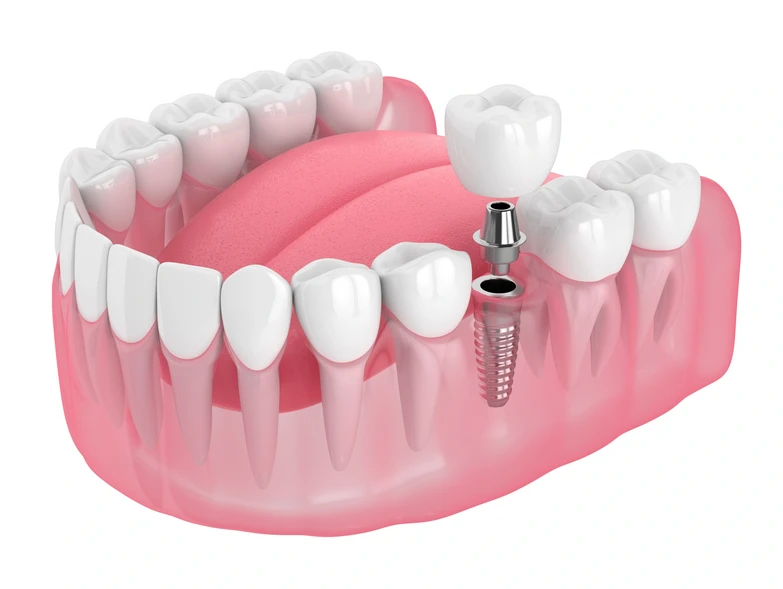
The procedure begins with a small incision in the gum, followed by preparing the jawbone to receive the implant. The implant, usually made of titanium, is then carefully positioned into the bone. Once in place, the gum is closed, and the healing process begins.
This stage may sound intimidating, but most patients find that the procedure is less uncomfortable than they anticipated. Clinics place a strong emphasis on pain management and patient comfort.
The Healing Period
One of the defining aspects of implant treatment is the healing phase, also known as osseointegration. This is the process by which the implant fuses with the jawbone, creating a secure and stable foundation for the replacement tooth.
The healing period can take several weeks to a few months, depending on individual circumstances. During this time, patients are often given temporary restorations to maintain appearance and function while the implants integrate fully.
The dental implants clinic will provide detailed aftercare instructions to support recovery. These usually include guidance on diet, oral hygiene, and follow-up appointments to monitor progress.
Attaching the Abutment and Crown
Once healing is complete, the next step involves attaching an abutment to the implant. The abutment serves as a connector between the implant and the crown, bridge, or denture.
After the gums have healed around the abutment, impressions are taken to create a custom restoration that matches the colour, shape, and size of the natural teeth. The final restoration is then securely attached, completing the process.
At this stage, patients often experience a significant improvement in their ability to chew, speak, and smile with confidence.
Ongoing Care and Maintenance
After treatment, a dental implants clinic emphasises the importance of ongoing care. Just like natural teeth, implants require regular maintenance to ensure long-term success.
Patients are advised to maintain good oral hygiene practices, including brushing twice a day, flossing, and attending routine check-ups. Professional cleanings and regular assessments are key to monitoring implant health and preventing potential issues such as gum disease.
With the right care, implants can last for many years, making them a reliable and lasting solution for tooth replacement.
The Emotional and Lifestyle Benefits
Visiting a dental implants clinic is not only about restoring teeth but also about improving quality of life. Missing teeth can affect self-confidence, speech, diet, and even social interactions. By choosing implants, patients often regain a sense of normality and comfort.
The psychological benefits are just as valuable as the physical ones. Many patients report feeling more at ease in professional and personal settings after completing treatment, thanks to the natural look and feel of implants.
Preparing for the Visit
For those preparing to visit a dental implants clinic, a few steps can help make the experience smoother:
- Research: Understanding the treatment process beforehand can reduce anxiety.
- List Questions: Writing down concerns ensures nothing is forgotten during the consultation.
- Medical Information: Having records of medical history, medications, and past treatments helps the clinic create a suitable plan.
- Lifestyle Adjustments: Patients may be advised to stop smoking or make dietary changes before surgery to support healing.
Common Misconceptions Addressed
Many people delay visiting a dental implants clinic due to misconceptions. For instance, some believe implants are painful or only suitable for younger patients. In reality, advances in modern dentistry have made implant treatment more comfortable and accessible for a wide range of individuals, including older adults.
Another common belief is that implants are high-maintenance. However, once placed, they require no more care than natural teeth, making them a convenient choice.
Final Thoughts
A visit to a dental implants clinic marks the start of a transformative journey. While the process involves several stages, each step is carefully designed to ensure safety, comfort, and long-term success. Patients can expect a thorough consultation, a personalised plan, professional care during surgery, and supportive aftercare.
Ultimately, the treatment goes beyond replacing teeth. It restores confidence, function, and wellbeing, offering a lasting solution that feels and looks natural. By understanding what to expect, patients can approach the experience with reassurance and optimism, knowing that the outcome can significantly enhance both oral health and quality of life.


























Sign in to leave a comment.