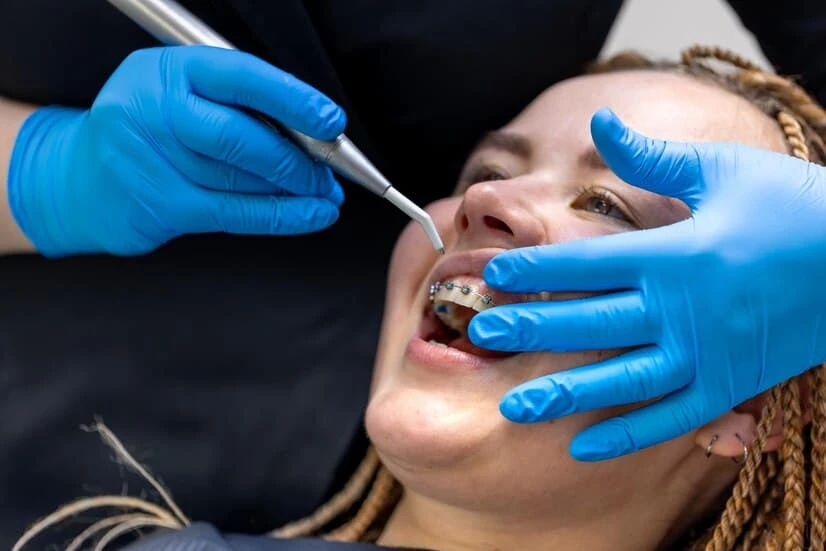

Orthodontists play a pivotal role in the realm of dental health, focusing primarily on the diagnosis, prevention, and treatment of dental and facial irregularities. These professionals are not merely concerned with aesthetics; their work significantly impacts overall oral health and functionality. Many individuals seek the expertise of an orthodontist when they desire straightened teeth or a corrected bite, but the journey goes far beyond mere appearances. It encompasses a broad spectrum of practices designed to improve both the form and function of the dental arch.
Understanding Malocclusion and Its Implications
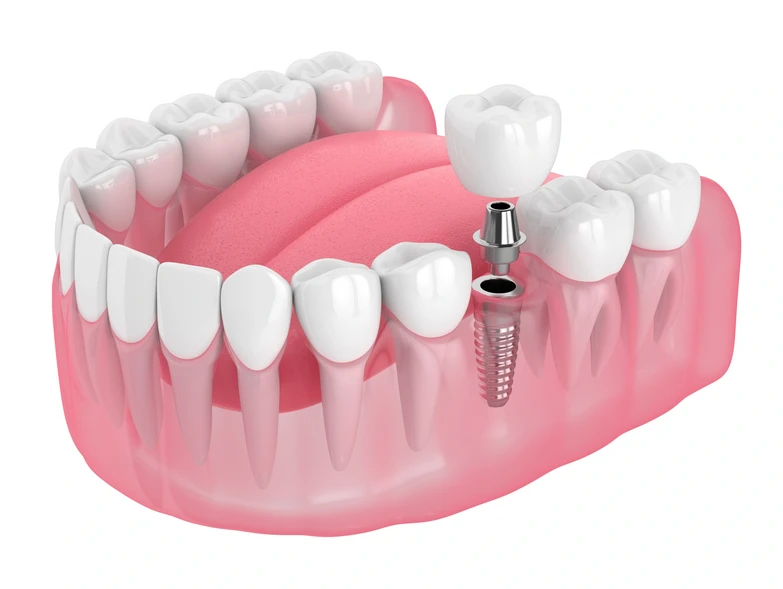
At the heart of orthodontic practice lies the concept of malocclusion, which refers to the misalignment of teeth and the way the upper and lower jaws fit together. When teeth do not align properly, it can lead to a variety of complications. For instance, individuals may experience difficulties in chewing, speaking, and maintaining proper oral hygiene. Over time, these issues can lead to more severe conditions, such as tooth decay, gum disease, and even temporomandibular joint (TMJ) disorders.
Orthodontists are trained to identify the various types of malocclusion, which can range from overbites and underbites to crossbites and open bites. Each type presents unique challenges and requires tailored treatment approaches. Understanding the nuances of these conditions allows orthodontists to create comprehensive treatment plans that address not just the immediate aesthetic concerns but also the long-term health implications associated with misaligned teeth.
The Role of Diagnostic Tools in Orthodontics
Before embarking on any treatment plan, an orthodontist conducts thorough diagnostic evaluations to understand the specific needs of each patient. This process typically involves a combination of visual examinations, X-rays, and dental impressions. These diagnostic tools are essential for developing an accurate understanding of the patient’s dental structure, allowing orthodontists to craft personalised treatment plans.
For example, digital imaging technology has revolutionised the field, enabling orthodontists to create highly detailed 3D models of a patient’s mouth. These models not only assist in visualising the current state of the teeth and jaws but also help in simulating potential treatment outcomes. This level of detail provides patients with a clearer understanding of what to expect, fostering trust and cooperation throughout the orthodontic journey.
Treatment Options: Braces and Beyond
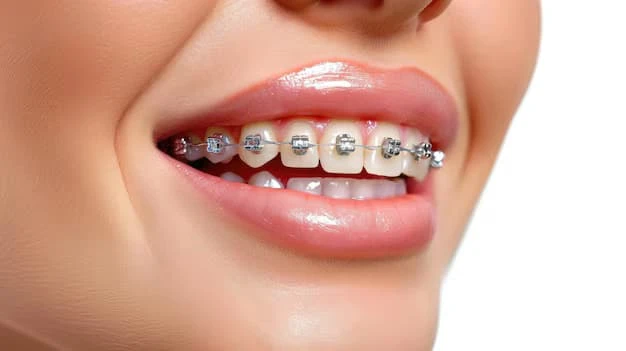
When it comes to straightening teeth and fixing bites, orthodontists have a plethora of treatment options at their disposal. Traditional metal braces remain one of the most common methods. These consist of brackets bonded to the teeth and connected by wires, which gradually apply pressure to shift the teeth into their desired positions. While some may view metal braces as an inconvenience, advancements in orthodontic technology have made them more comfortable and less noticeable than in the past.
In recent years, clear aligners have gained popularity as an alternative to traditional braces. These transparent trays offer a discreet option for those concerned about aesthetics during treatment. Orthodontists carefully design a series of aligners, each slightly adjusted from the last, allowing for the gradual movement of the teeth. This method offers the added benefit of being removable, enabling patients to maintain their oral hygiene routines without significant disruption.
Additionally, orthodontists may employ other techniques such as lingual braces, which are placed on the inner surface of the teeth, making them virtually invisible from the outside. Each treatment option has its own set of advantages and considerations, and the choice ultimately depends on the individual’s specific needs, lifestyle, and preferences.
The Importance of Retainers in Orthodontic Care
Once the active phase of orthodontic treatment is complete, the role of the orthodontist shifts towards retention. This phase is crucial for maintaining the results achieved during treatment. Teeth have a natural tendency to shift back to their original positions, a phenomenon known as relapse. To combat this, orthodontists provide patients with retainers, which are custom-made appliances designed to hold teeth in their newly aligned positions.
There are different types of retainers, including fixed and removable options. Fixed retainers are bonded to the back of the teeth and remain in place for an extended period, while removable retainers can be taken out for eating and cleaning. The choice of retainer depends on the individual case and the orthodontist’s recommendations. Regular follow-up appointments are essential during this phase to monitor the retention process and make any necessary adjustments.
The Comprehensive Benefits of Orthodontic Treatment
Beyond the immediate aesthetic improvements, the benefits of orthodontic treatment extend far into the future. Properly aligned teeth contribute to enhanced oral hygiene, reducing the risk of cavities and gum disease. When teeth are straightened, they are easier to clean, allowing patients to maintain better oral health. Furthermore, a correct bite can alleviate discomfort associated with jaw misalignment, ultimately improving overall quality of life.
Moreover, the psychological impact of orthodontic treatment should not be overlooked. Many individuals experience a boost in confidence and self-esteem following their treatment. A healthy smile often leads to improved social interactions and greater personal satisfaction. This holistic approach to dental care underlines the significant role that orthodontists play in shaping not only physical health but also emotional well-being.
The Ongoing Relationship with Your Orthodontist
The journey with an orthodontist does not end once braces are removed or retainers are fitted. The relationship between the patient and the orthodontist is ongoing, with regular check-ups recommended to ensure that teeth remain aligned and oral health continues to be maintained. Orthodontists often provide guidance on proper care for teeth and gums, as well as lifestyle tips to support the longevity of the treatment results.
As advancements in technology continue to evolve, orthodontists are increasingly equipped to offer innovative solutions tailored to the unique needs of their patients. From 3D printing to artificial intelligence, these technologies are enhancing the precision and efficiency of orthodontic care, further solidifying the importance of this field in the dental profession.
In summary, the journey to straightened teeth and corrected bites is multifaceted, involving meticulous planning, advanced techniques, and ongoing care. The role of the orthodontist is indispensable, providing not only the expertise required for effective treatment but also the support and guidance to ensure lasting results. With a focus on both aesthetics and functionality, orthodontists help individuals achieve the smile they desire while promoting overall oral health and well-being.
























Sign in to leave a comment.