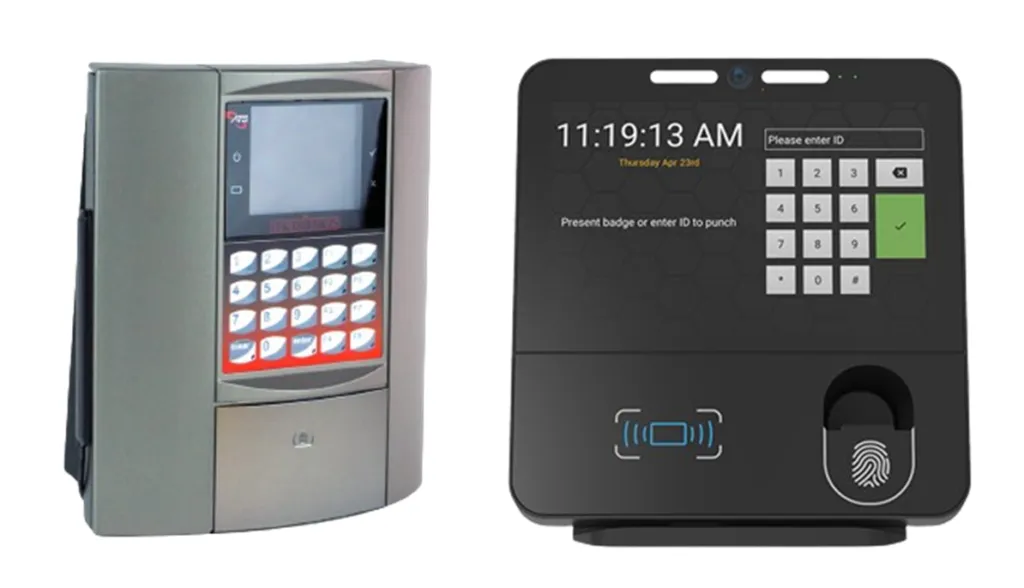

Managing employee attendance accurately is essential for every business, regardless of size or industry. Traditional methods such as paper timesheets and manual registers are increasingly being replaced by Time & Attendance Systems, which offer greater accuracy, efficiency, and security.
Modern businesses require reliable solutions to track employee working hours, reduce payroll errors, and improve workforce productivity. A well-designed attendance management solution can help organisations streamline operations while ensuring compliance with workplace regulations.
This guide explores how modern time and attendance technology works, its key benefits, and why it has become an essential tool for today's workplaces.
What Are Time & Attendance Systems?
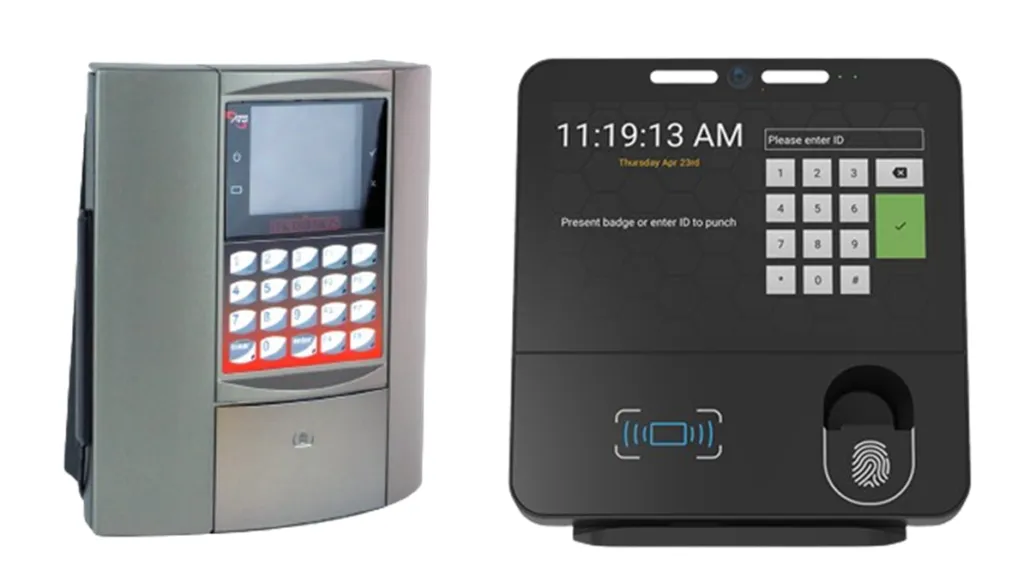
Time & Attendance Systems are digital solutions that record employee working hours, attendance patterns, break times, overtime, and shift schedules. These systems automate attendance tracking, eliminating the need for manual record-keeping.
Modern solutions can integrate with payroll software, access control systems, biometric devices, proximity cards, and cloud-based platforms, providing businesses with real-time workforce data.
How Do They Work?
Employees clock in and out using various methods, including:
- Biometric fingerprint recognition
- Facial recognition technology
- RFID or proximity cards
- PIN codes
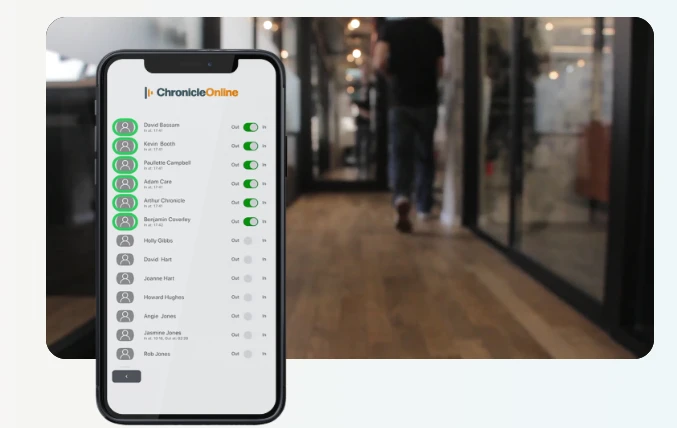
- Mobile applications
- Web-based attendance portals
The data is automatically stored and processed, allowing managers to generate reports and monitor attendance efficiently.
Key Benefits of Modern Time & Attendance Systems
Improved Accuracy
Manual attendance records are prone to human error. Automated attendance tracking ensures accurate recording of employee working hours, reducing discrepancies and payroll mistakes.
Enhanced Productivity
Managers spend less time calculating timesheets and correcting attendance records. This allows HR teams and supervisors to focus on more strategic business activities.
Reduced Time Theft
Modern systems help prevent practices such as buddy punching, where one employee clocks in for another. Biometric verification provides an additional layer of security and accountability.
Streamlined Payroll Processing
Accurate attendance data can be directly integrated into payroll systems, ensuring employees are paid correctly for regular hours, overtime, and leave.
Real-Time Workforce Visibility
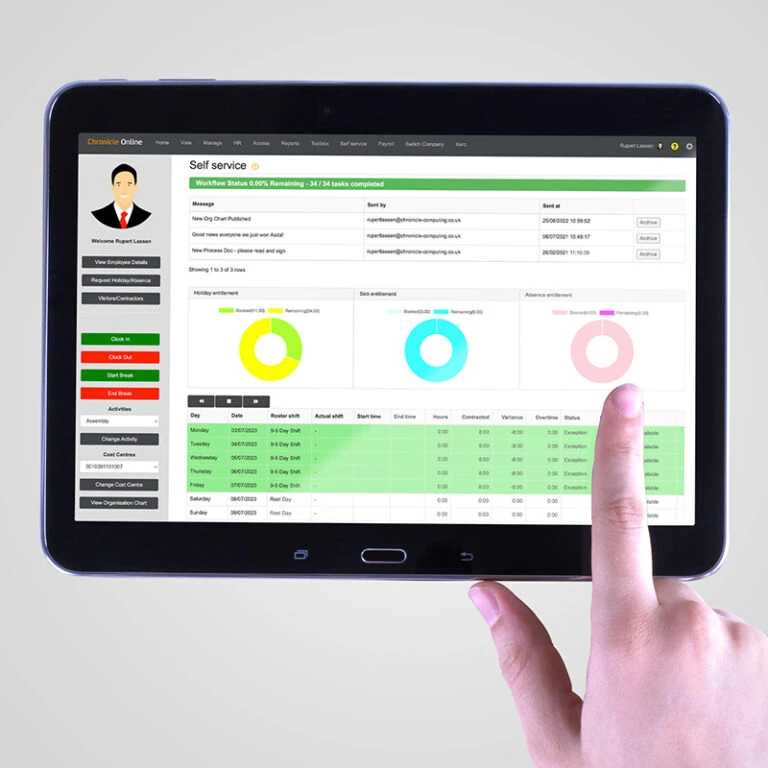
Business owners and managers can instantly view attendance records, lateness trends, absences, and workforce availability through intuitive dashboards.
Features to Look for in a Modern Attendance Solution
Biometric Authentication
Fingerprint and facial recognition technologies provide secure and reliable employee identification, reducing fraudulent attendance entries.
Cloud-Based Access
Cloud-enabled systems allow managers to access attendance records from anywhere, making them ideal for remote and hybrid working environments.
Shift Management
Advanced attendance platforms support complex scheduling requirements, including rotating shifts, flexible working hours, and overtime management.
Reporting and Analytics
Detailed reports help businesses identify attendance trends, monitor employee performance, and make informed workforce decisions.
Mobile Attendance Tracking
With mobile clocking options, employees working remotely or in the field can record attendance accurately using smartphones or tablets.
Why Businesses Are Moving Towards Digital Attendance Management
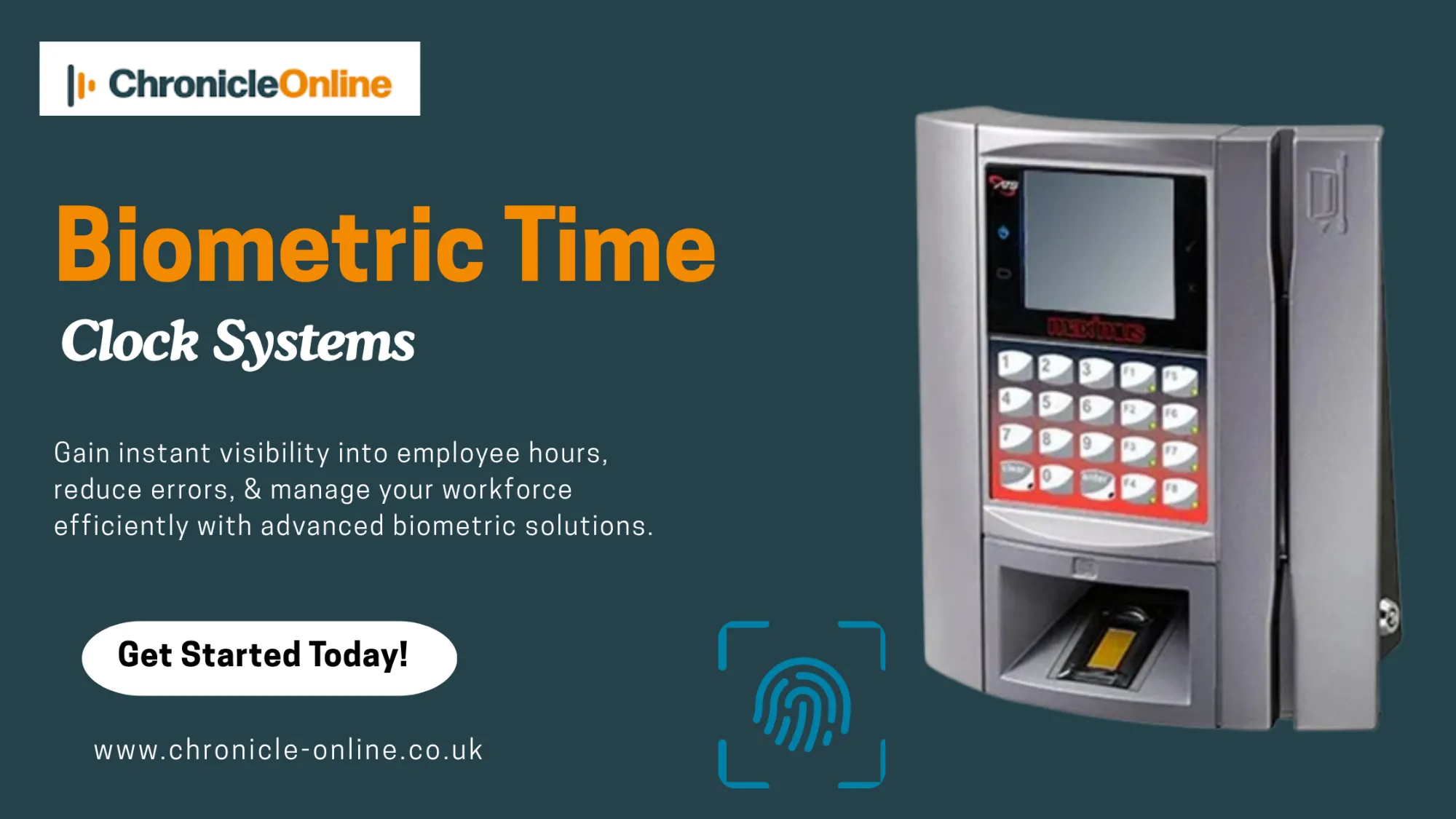
The modern workplace has evolved significantly in recent years. Hybrid working models, flexible schedules, and remote teams have increased the demand for smarter attendance solutions.
Digital attendance management provides businesses with greater control over workforce operations while ensuring transparency and accountability. Automated systems eliminate administrative burdens and support more efficient workforce planning.
Organisations that adopt modern attendance technologies often experience improved employee engagement, reduced operational costs, and more accurate workforce data.
Industries That Benefit from Time & Attendance Systems
Manufacturing
Factories and production facilities rely on accurate shift tracking to manage workforce productivity and compliance.
Healthcare
Hospitals and healthcare providers use attendance systems to monitor staff availability and maintain adequate staffing levels.
Retail
Retail businesses can effectively manage rotating schedules, seasonal staffing requirements, and multiple locations.
Education
Schools, colleges, and universities benefit from streamlined attendance management for both staff and operational teams.
Corporate Offices
Office-based organisations use attendance tracking to support hybrid working arrangements and workforce accountability.
Choosing the Right Solution
When selecting a Time & Attendance System, businesses should consider:
- Company size and workforce requirements
- Integration capabilities
- Scalability
- Data security features
- Reporting functionality
- Ease of use
- Technical support availability
A solution that aligns with organisational goals can significantly improve workforce management efficiency and long-term operational performance.
One trusted provider of advanced workforce management solutions is Chronicle Online, which helps businesses implement reliable attendance and data capture technologies.
Conclusion
Modern Time & Attendance Systems have become an essential part of effective workforce management. They improve accuracy, enhance productivity, reduce administrative workload, and provide valuable workforce insights.
As businesses continue to embrace digital transformation, investing in a reliable attendance management solution can help streamline operations, support compliance, and create a more efficient workplace. Whether managing a small team or a large workforce, modern attendance technology offers the tools needed to stay organised, productive, and competitive.
Frequently Asked Questions
1. What is a Time & Attendance System?
A Time & Attendance System is a digital solution used to record employee working hours, attendance, overtime, and shift information automatically.
2. How do biometric attendance systems improve accuracy?
Biometric systems use unique identifiers such as fingerprints or facial recognition to prevent buddy punching and reduce attendance fraud.
3. Can attendance systems integrate with payroll software?
Yes, most modern systems integrate with payroll platforms, helping automate salary calculations and reduce payroll errors.
4. Are cloud-based attendance systems secure?
Reputable cloud-based solutions use encryption, secure servers, and access controls to protect employee attendance data.
5. Which industries benefit most from attendance tracking solutions?
Industries such as manufacturing, healthcare, retail, education, logistics, and corporate offices can all benefit from automated attendance management systems.

























Sign in to leave a comment.