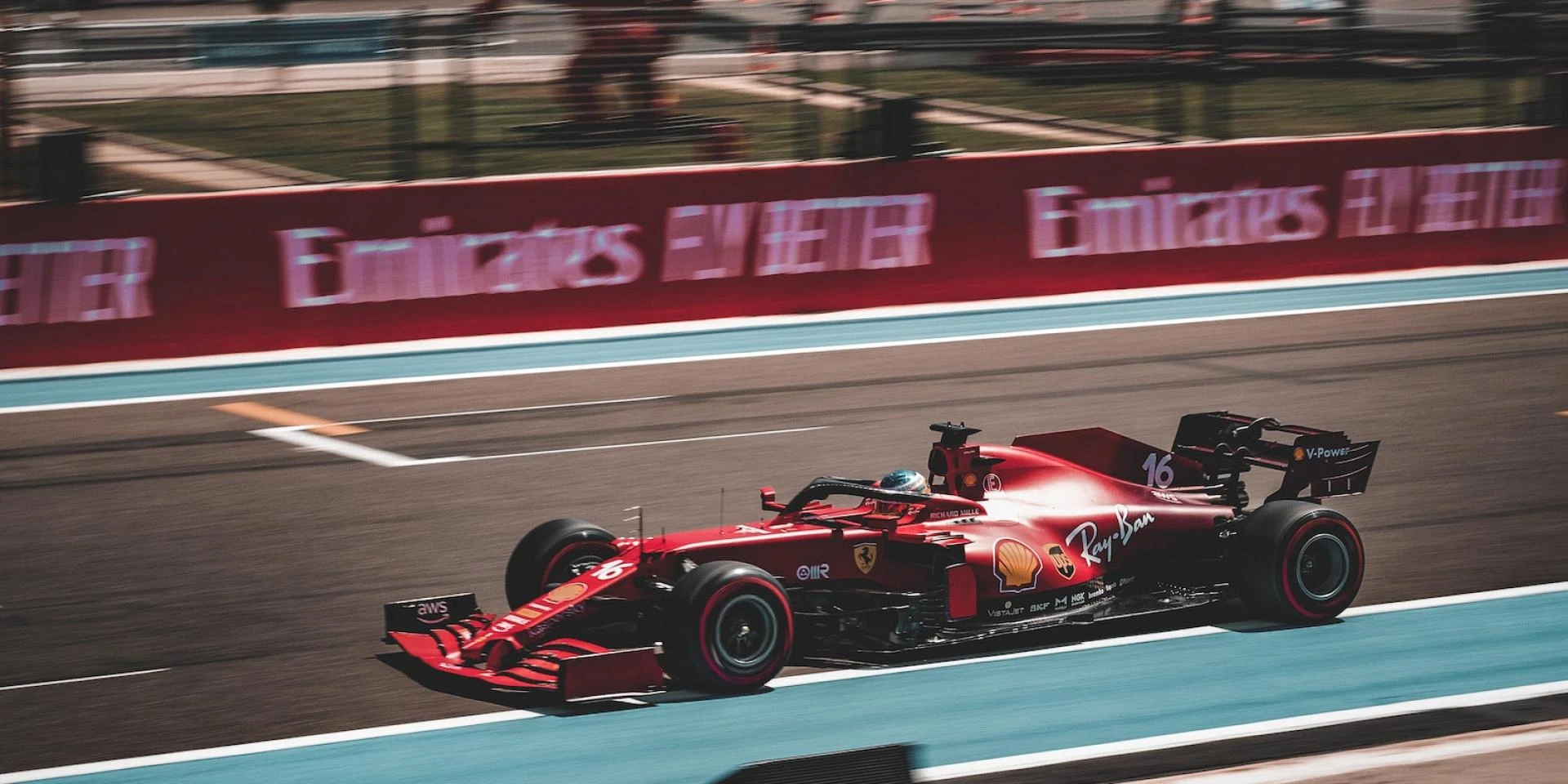

The Grand Prix, an epitome of speed, precision, and spectacle, has captured the hearts of motorsport enthusiasts for over a century. From its humble beginnings to becoming a global phenomenon, the Grand Prix has woven a rich tapestry of innovation, competition, and legendary moments. This article delves into the history of the Grand Prix, tracing its evolution from the early 20th century to the present day.
Origins and Early Milestones
The term "Grand Prix" first graced the world of racing in 1901 during the French Grand Prix at Le Mans, signifying a prestigious race that would soon become a symbol of speed and supremacy.The Grand Prix's roots can be traced back to the establishment of the Fédération Internationale de l'Automobile (FIA) in 1904, which aimed to advocate for the interests of motoring organizations and car users. These early developments set the stage for a motor racing revolution.
Shifting Gears
In 1933, the Monaco Grand Prix introduced a groundbreaking change by determining starting positions on the grid through qualifying times. This marked a pivotal shift in how races were organized and added an element of strategy and competition before the main event. However, World War II temporarily disrupted the trajectory of the Grand Prix, putting discussions of a world drivers' championship on hold until after the war.
Birth of Formula One
1946 saw the formalization of Formula One as a recognized formula, laying the groundwork for what would become the pinnacle of motorsport. The following year, the World Drivers' Championship was established, paving the way for the first championship race in 1950 at the British Grand Prix in Silverstone[^1^]. While 1952 and 1953 saw the championship running under Formula Two regulations due to concerns about available F1 cars, new regulations in 1954 reinstated the championship under F1 rules.
Global Expansion
The 1950s and 1960s witnessed remarkable milestones in the Grand Prix's history. Argentina hosted the first championship Grand Prix outside of Europe in 1953[^1^]. In 1958, the constructors' championship was introduced, emphasizing the collaborative efforts of teams. The same year also saw the first Grand Prix in Africa, held in Morocco, and marked the ban on the practice of sharing cars during races.
Technological Leaps and Innovations
The 1960s and 1970s brought about significant technological advancements and rule changes. Lotus introduced an aluminium monocoque chassis, a groundbreaking design that revolutionized the sport[^1^]. Turbocharged cars made their debut, with Renault producing the first turbocharged car in 1976. The era also witnessed the tragic loss of drivers like Jochen Rindt, who became the first and only posthumous F1 champion.
Safety Measures and Modernization
The 1980s marked a period of introspection and evolution for the Grand Prix. Safety concerns led to the introduction of new regulations, including narrower tracks and grooved tires. Electronic driver aids began to take centre stage, with Lotus unveiling active suspension systems. The 1990s and early 2000s saw further safety improvements, including the appearance of the safety car and the implementation of track changes to enhance driver and spectator safety.
Shifting Dynamics and Contemporary Trends
The Grand Prix's journey continued into the 21st century with evolving dynamics and regulations. The formation of the Formula One Teams Association (FOTA) in 2008 marked a pivotal moment for team representation. The sport witnessed changes in team order regulations and a commitment to enhancing safety standards following tragic incidents like the deaths of Ayrton Senna and Roland Ratzenberger in 1994.
A Legacy of Speed and Excellence
Today, the Grand Prix stands as a testament to human ingenuity, engineering brilliance, and the unyielding pursuit of speed. From its inception as a French race to its global stature as Formula One, the Grand Prix has transcended time and borders to become an iconic sporting spectacle that captivates millions around the world. As technology continues to push the boundaries of performance and sustainability, the Grand Prix remains an emblem of innovation and a tribute to the pioneers who fueled its evolution.
In conclusion, the history of the Grand Prix is a remarkable narrative of progress, triumphs, and challenges that have shaped motorsport's most celebrated competition. As fans and drivers alike gear up for each race, they become part of a legacy that spans generations and embodies the spirit of speed, competition, and the pursuit of excellence.
Photo By: PEXELS


























Sign in to leave a comment.