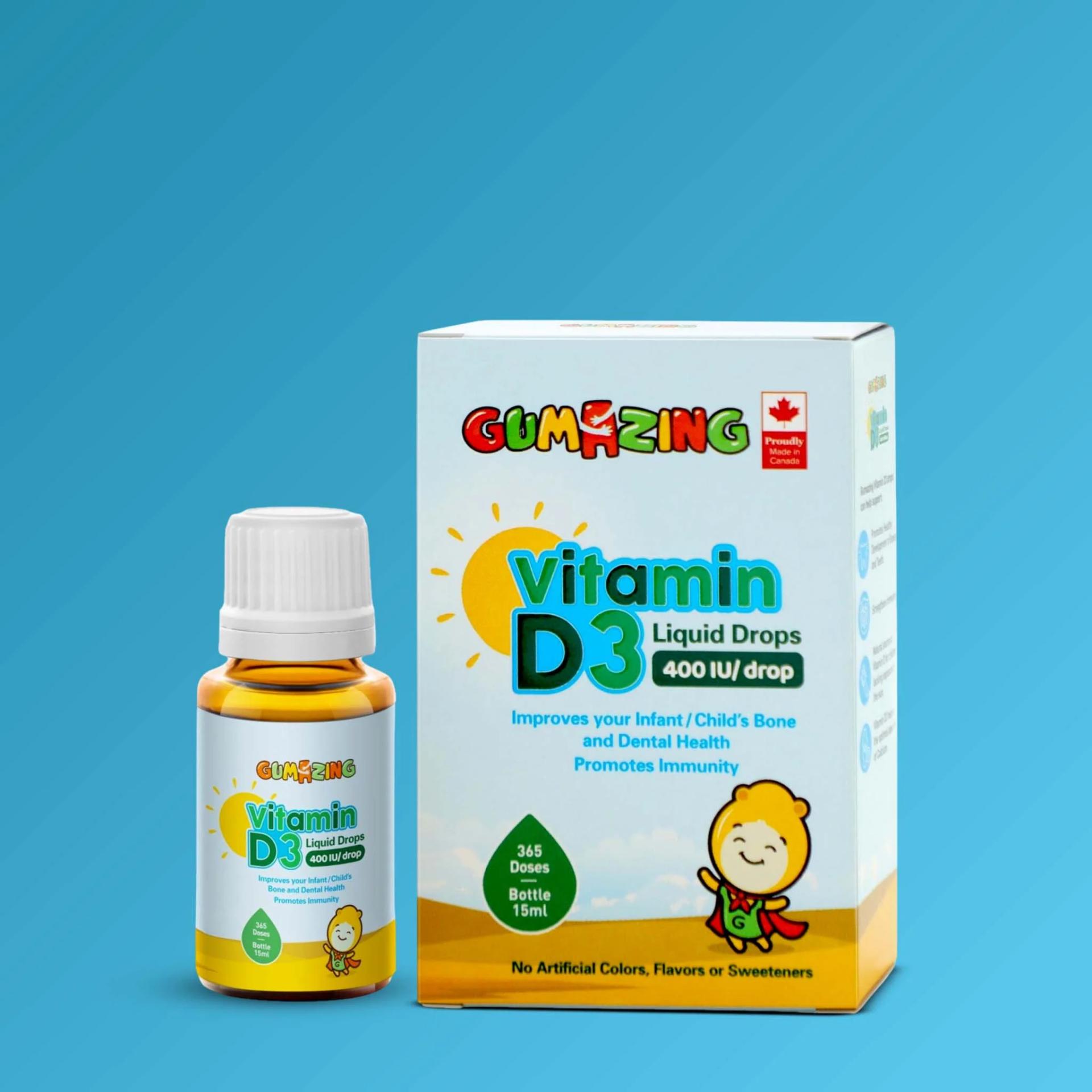

If you’ve ever stood in front of the supplement aisle, staring at countless bottles of vitamins for kids, you know how overwhelming it can be. Among all the options, children’s vitamin D drops have emerged as a must-have for many parents. From building strong bones to supporting the immune system, vitamin D is more than just another supplement — it’s a cornerstone of healthy childhood development.
But how do you know if your child really needs vitamin D drops? How do they compare to other supplements like the best kids multivitamin with omega or kids vitamin C? And most importantly, how do you choose the right one without falling for marketing hype?
That’s exactly what this guide will cover. Whether you’re a first-time parent, a busy caregiver, or simply someone who wants the best for their child’s health, you’ll find practical, science-backed insights here.
Why Vitamin D is Essential for Children
Vitamin D is often called the “sunshine vitamin” because our bodies can make it when exposed to sunlight. But here’s the problem: modern lifestyles — more indoor time, sunscreen use, and limited outdoor play — mean kids are often not getting enough.
Benefits of Vitamin D for Kids
- Bone Strength & Growth: Vitamin D helps the body absorb calcium, preventing weak bones or conditions like rickets.
- Immune Support: A strong immune system relies on adequate vitamin D to fight infections.
- Mood & Energy: Studies suggest vitamin D may play a role in preventing fatigue and improving mood in children.
- Healthy Teeth: Strong teeth need both calcium and vitamin D working together.
According to the American Academy of Pediatrics, children should get 400 IU per day of vitamin D, especially during early development.
Why Drops Over Gummies or Tablets?
You might wonder why children’s vitamin D drops are recommended over other forms like gummies or chewable tablets.
- Easier to Administer: Drops can be added to milk, juice, or even given directly, making them perfect for toddlers and infants.
- Precise Dosing: Parents can ensure the exact IU dosage without guesswork.
- No Sugar or Artificial Additives: Unlike gummies, many vitamin D drops come in clean formulations.
For babies who can’t chew, drops are often the only safe option.
How Vitamin D Drops Compare to Other Supplements
While vitamin D is vital, it’s not the only nutrient kids need. Let’s compare it to other popular supplements.
1. Vitamin D Drops vs. Best Kids Multivitamin with Omega
Multivitamins with omega-3s are excellent for children’s brain development, vision, and overall health. However:
- Multivitamins cover a broad range of nutrients, while vitamin D drops are targeted.
- Omega-3s are often lacking in children’s diets, just like vitamin D.
- Many parents choose to combine both, ensuring kids get their daily essentials.
2. Vitamin D Drops vs. Kids Vitamin C
Vitamin C is well-known for its immune-boosting properties.
- Vitamin D works deeper — influencing immune cell activity — while vitamin C helps reduce the severity of colds.
- Together, they form a powerful defense system for growing children.
key takeaway: Vitamin D drops should be a baseline supplement, while multivitamins with omega and vitamin C can act as complementary support.
Signs Your Child Might Need Vitamin D Drops
Not sure if your child needs them? Here are some common signs of deficiency:
- Frequent colds or infections
- Bone pain or delayed growth
- Constant fatigue or low energy
- Limited outdoor playtime (less sun exposure)
- Darker skin (which naturally produces less vitamin D in sunlight)
- If you notice these, consult your pediatrician about starting vitamin D drops.
Choosing the Best Children’s Vitamin D Drops
With so many brands available, here are factors parents should look at:
- Purity – Look for products free from artificial colors, sweeteners, and preservatives.
- Dosage – Check for 400–600 IU per serving for younger kids.
- Absorption – Vitamin D3 (cholecalciferol) is better absorbed than D2.
- Third-Party Testing – Ensures safety and potency.
- Ease of Use – A dropper that’s precise and parent-friendly is a game-changer.
- Pro tip: Pair vitamin D drops with calcium-rich foods (like dairy or fortified milk) for maximum bone health benefits.
Real-World Example: Why Parents Choose Drops
Take Emily, a mother of two. Her youngest struggled with frequent colds and poor appetite. After consulting her pediatrician, she introduced vitamin D drops into his daily routine. Within months, his energy improved, and even his doctor noticed better growth patterns.
Stories like this are common — and they highlight why many parents see drops as an easy, high-impact step in their child’s health journey.
Actionable Tips for Parents
- Consistency is key: Give drops at the same time daily (e.g., during breakfast).
- Combine smartly: Don’t overload with supplements; combine essentials like vitamin D, omega-3s, and vitamin C under guidance.
- Check labels carefully: Avoid hidden sugars or allergens.
- Get sunlight when possible: A few minutes outdoors can complement supplementation
Frequently Asked Questions (FAQs)
Q1: At what age should I start giving my child vitamin D drops?
Most pediatricians recommend starting from infancy, especially if your baby is breastfed, since breast milk alone may not provide enough vitamin D.
Q2: Can I give my child vitamin D drops along with a multivitamin?
Yes, but check labels to avoid exceeding recommended daily amounts. Many multivitamins already contain some vitamin D.
Q3: How do I know if my child is deficient in vitamin D?
Blood tests can confirm deficiency. However, symptoms like frequent illness, bone pain, or fatigue may be early indicators.
Q4: Are there side effects of too much vitamin D?
Excessive intake can cause nausea, kidney issues, or high calcium levels. Always stick to pediatric guidelines.
Q5: Do vitamin D drops replace outdoor playtime?
No. Sunshine provides multiple benefits beyond vitamin D. Drops should supplement, not replace, outdoor activity.
Conclusion
Children’s health is a marathon, not a sprint. While balanced meals, outdoor activity, and good sleep form the foundation, children’s vitamin D drops can fill a crucial nutritional gap. Alongside the best kids multivitamin with omega and kids vitamin C, they ensure your child grows strong, resilient, and full of energy.
For parents, the choice isn’t about chasing every supplement — it’s about choosing the ones that truly make a difference. And vitamin D drops? They’re right at the top of that list.



























Sign in to leave a comment.