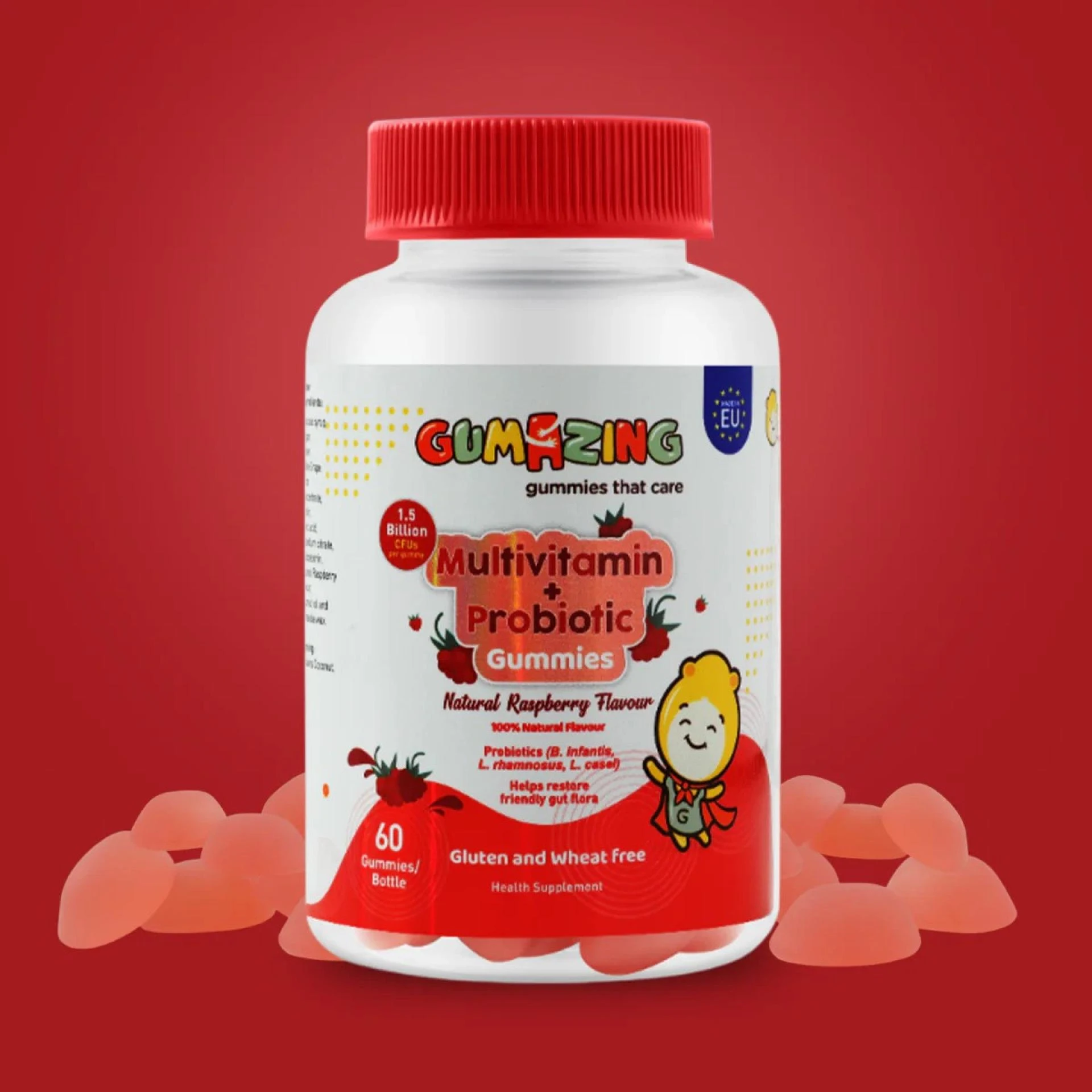

Introduction
“Trust your gut.” It’s advice we often give adults — but when it comes to children, gut health is just as important, if not more. A growing body of research shows that the gut is more than a digestive system — it’s the foundation of immunity, nutrient absorption, and even mood regulation.
That’s where probiotics for gut health come in. From easing tummy troubles to strengthening immunity, probiotics are becoming one of the most valuable supplements in modern parenting. But how do they fit into a child’s nutrition plan alongside calcium supplements with vitamin D, probiotics for kids, kids vitamin C, and the best omega 3 gummies for kids?
Let’s break it down with science-backed insights, real-world examples, and actionable tips for parents.
What Are Probiotics and Why Are They Important?
Probiotics are live microorganisms, mostly beneficial bacteria, that keep the gut microbiome in balance. A healthy gut microbiome supports digestion, prevents harmful bacteria from thriving, and helps the body use nutrients effectively.
Key Benefits of Probiotics for Gut Health in Kids
- Improved Digestion: Reduce constipation, diarrhea, and bloating.
- Stronger Immunity: 70% of immune cells live in the gut.
- Better Nutrient Absorption: Supports calcium, vitamin D, and iron uptake.
- Allergy & Skin Relief: Studies link probiotics to fewer eczema and allergy flare-ups.
- Mood & Focus: Gut bacteria influence the gut-brain axis, improving mood and concentration.
Natural food sources include yogurt, kefir, sauerkraut, miso, and kimchi — though many kids may resist these flavors. That’s why probiotics for kids in supplement form have gained popularity.
Why Gut Health is a Foundation for Children’s Wellness
If a child’s gut is unbalanced (too many harmful bacteria, too few beneficial ones), it can affect:
- Frequent infections (weakened immunity)
- Poor growth or undernutrition (low nutrient absorption)
- Tummy aches and irregular bowel movements
- Fatigue and irritability
- Even behavioral issues linked to gut-brain imbalance
Supporting gut health with probiotics can transform a child’s energy, growth, and resilience.
Probiotics vs Other Essential Kids’ Supplements
While probiotics are important, they’re not the only supplement children may need. Let’s compare them with some common ones.
1. Probiotics for Gut Health vs Calcium Supplements with Vitamin D
- Calcium + vitamin D: Essential for strong bones and teeth.
- Probiotics: Enhance calcium absorption by improving gut function.
- A child taking calcium and vitamin D will benefit more if their gut is healthy.
👉 Best practice: Pair probiotics with calcium supplements with vitamin D for maximum bone-building impact.
2. Probiotics for Gut Health vs Kids Vitamin C
- Vitamin C: Boosts immune defense and wound healing.
- Probiotics: Strengthen immunity at the root by balancing gut bacteria.
- Together, they provide a strong defense system, especially during flu season.
👉 Consider probiotics as “immune builders” and vitamin C as “immune boosters.”
3. Probiotics for Gut Health vs Best Omega 3 Gummies for Kids
- Omega 3 fatty acids (DHA & EPA): Essential for brain development, memory, and vision.
- Probiotics: Improve mood, focus, and nutrient absorption.
- Omega 3s and probiotics complement each other — one nourishes the brain, the other the gut.
👉 Parents often combine best omega 3 gummies for kids with probiotics for a balanced “brain + gut” support plan.
Signs Your Child Might Need Probiotics
- Constant stomachaches or irregular bowel habits
- Frequent colds or slow recovery from illness
- History of antibiotic use (which kills good bacteria)
- Eczema, allergies, or skin irritations
- Fatigue and irritability despite a good diet
Choosing the Right Probiotics for Kids
When buying probiotics for kids, consider:
- Strain Diversity – Look for Lactobacillus and Bifidobacterium strains.
- CFU Count – Kids generally need 1–5 billion CFUs daily.
- Form – Gummies, chewables, or powders for easy intake.
- Clean Label – Avoid added sugar, artificial coloring, or allergens.
- Third-Party Tested – To ensure potency and safety.
Real-World Example
Ethan, a 9-year-old, had frequent stomach upsets and often missed school due to colds. His pediatrician suggested adding a daily probiotic along with calcium supplements with vitamin D and kids vitamin C. Within months, Ethan’s digestion improved, he had fewer sick days, and his overall energy soared. His parents later added best omega 3 gummies for kids to support his focus in school — creating a well-rounded routine.
Actionable Tips for Parents
- Pair probiotics with high-fiber foods (fiber feeds good bacteria).
- Start slowly — introduce probiotics in small doses.
- Be consistent; daily use matters more than occasional intake.
- Combine smartly: probiotics + vitamin D + calcium + omega 3 = complete foundation.
- Always consult your pediatrician when combining multiple supplements.
Frequently Asked Questions (FAQs)
Q1: Are probiotics safe for kids every day?
Yes, most pediatricians recommend daily probiotics for gut balance, especially after antibiotics.
Q2: Should probiotics replace calcium supplements with vitamin D?
No. They work together — probiotics improve calcium absorption, but don’t replace it.
Q3: Can probiotics help with eczema or allergies?
Research suggests certain probiotic strains can reduce allergic reactions and eczema symptoms.
Q4: Do probiotics prevent colds?
They don’t prevent colds entirely, but they strengthen the immune system, reducing frequency and severity.
Q5: Can probiotics be taken with kids vitamin C or omega 3 gummies?
Yes, they complement each other and support different areas of health.
Conclusion
Good health starts in the gut. By introducing probiotics for gut health, parents can give their children stronger immunity, better digestion, and even improved focus and mood. While supplements like calcium with vitamin D, kids vitamin C, and the best omega 3 gummies for kids play vital roles, probiotics work at the root — making the whole system function more effectively.
The smart approach isn’t about choosing one over the other — it’s about building a balanced foundation where gut, bone, immune, and brain health are all supported.
For parents, probiotics are not just a supplement — they’re an investment in long-term wellness.













Sign in to leave a comment.