

Students aren’t just choosing any university based solely on brochures or rankings anymore. They focus on the environment they are going to get and feel influenced by the stories they read on social media platforms. They trust the connection they make with an institution before ever setting foot on campus.
Content engagement marketing for higher education recognises this shift and focuses on building relationships through valuable and authentic content.
It is not limited to posting updates on social media or filling a website simply with information. It's more about creating blogs and short videos that clears their doubts by showcasing the life they will get on campus.
In this blog, we're going to explore how universities and colleges can use content engagement strategies to connect with prospective students, enhance their digital presence and create an ongoing conversation that supports every stage of their journey.
Why Content Engagement Marketing Matters
Today’s fast-paced environment makes students expect more than just information from universities; They seek a connection and want to see what life on campus feels like. What career opportunities can a course open for them and whether an institution reflects their aspirations.
Content engagement marketing gets by these needs by,
Providing credibility
Quality content is valuable and demonstrates expertise in building trust in your institution.
Guiding when making a decision
Various touchpoints help students find answers to critical questions like course fees, career prospects and faculty experience.
Creating emotional connections
Real stories and student experiences make the institution feel relatable.
Influencing meaningful conversions
Engaging content helps encourage students for activities like signing up for newsletters and attending webinars.
Making Strategies for Stronger Engagement
In a competitive education market, institutions need strategies to stand out from others and that makes their content feel personal and engaging-
Using Real Stories
Start by sharing past achievements and student journeys to build authenticity. Prospective students are more likely to believe the voices that they can personally connect to.
Use Diverse Content Formats
Play smart and identify your audience interests. For social media, videos and reels work well, while long-form blogs provide depth for those comparing courses or career paths.
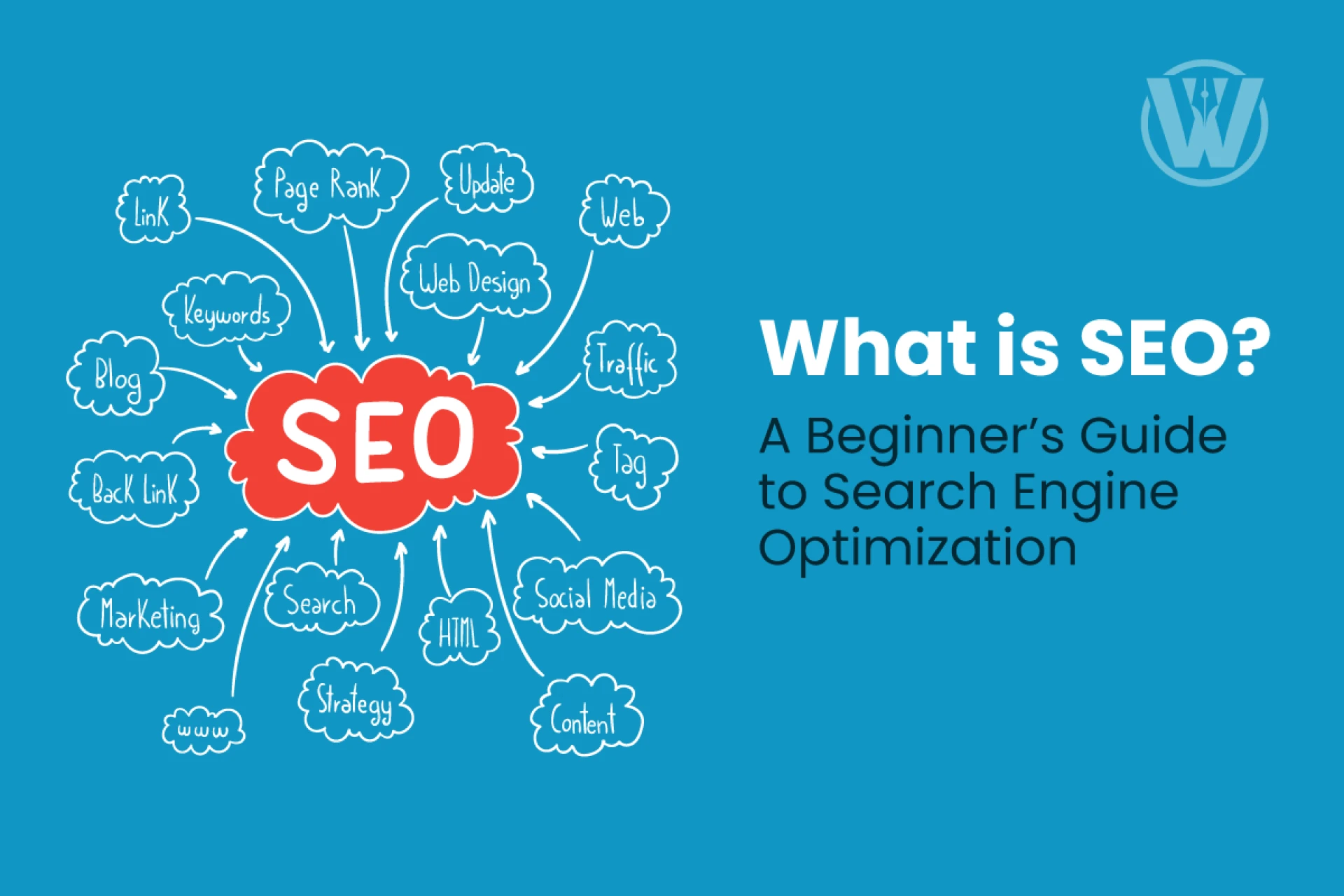
Optimise for Better Visibility
Using certain keywords that align with your content helps your website rank above competitors in search results.
Create Experiences Interactive
Online activities like virtual tours, live sessions, polls and quizzes make the engagement conversational.
Types of Content That Work Best
Video Storytelling
Short videos show campus life, along with faculty interviews or alumni success stories, provide a student with a personal glimpse into the institution.
Articles focusing on Careers
A blog on a topic like “Career Paths after a Degree in Data Science” is sure to add some real value to your website.
Guides and eBooks
A few comprehensive resources can attract serious prospects, for example, “How to Choose the Right University in 2025”
Social media campaigns
Digital campaigns can be effective and can create a sense of connection with the students.
Measuring Success and Improving Strategy
Creating content is only the first step and knowing how well it performs is the next. The Key metrics in this include
- Engagement rates such as likes, shares, comments and downloads
- Website traffic and time spent on pages
- Conversions, including enquiries, campus tour bookings and application starts
- Return visits showing ongoing interest in your content
Regular analysis enables you to refine your strategies and experiment with the new formats that eventually allows you to focus on what has the most effect on the students.
Final Thoughts
Content engagement marketing for a university does not require you to crowd your websites with generic content. Its purpose is to connect with students in meaningful ways, like answering their queries, making them curious and showcasing your institution as the right choice.
When used smartly, stories and engaging formats can be used to transform content into a powerful tool that can be used to engage more prospective students.



























Sign in to leave a comment.