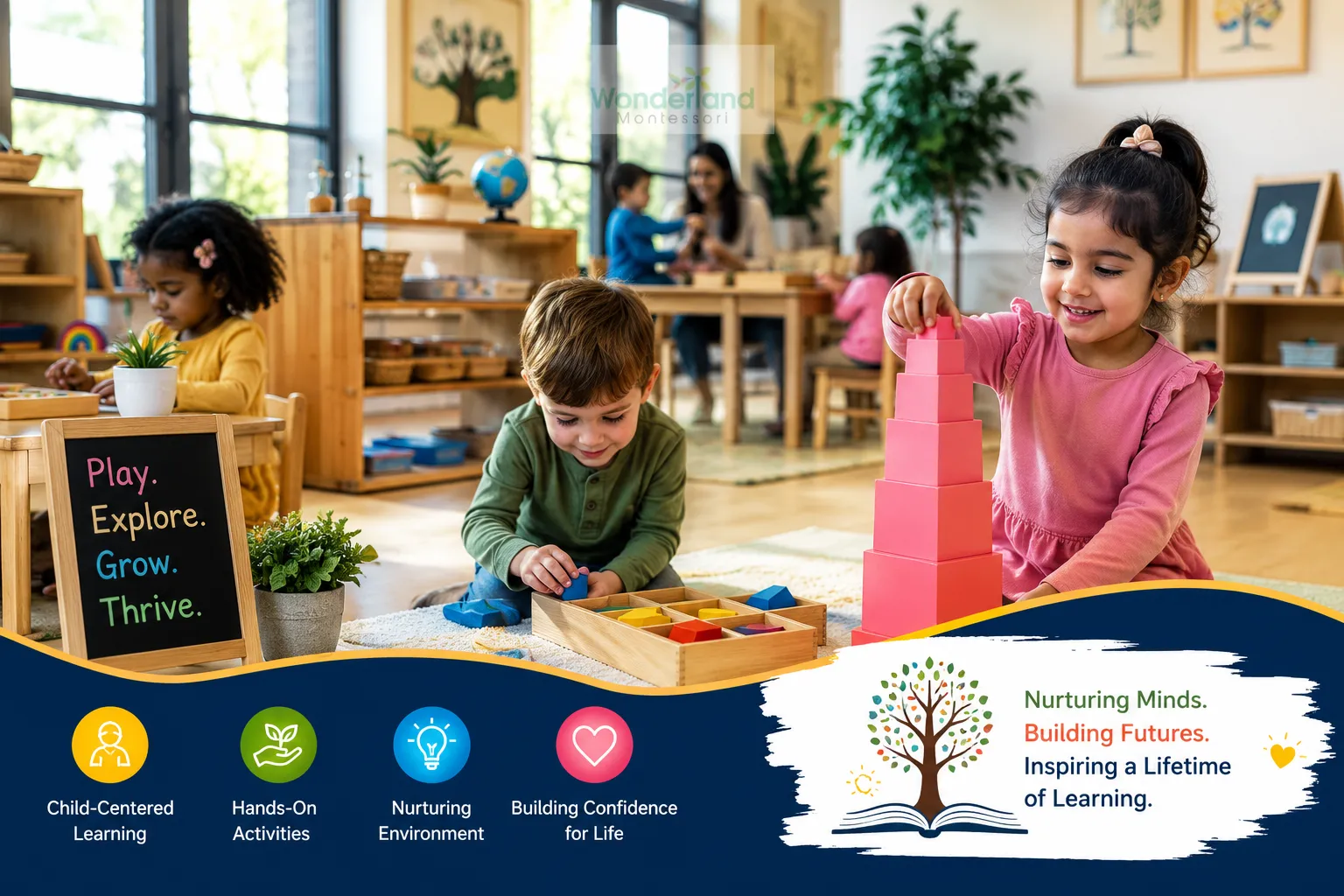

Looking for the right Montessori School in McKinney? Discover practical tips, classroom insights, curriculum details, and what truly matters when choosing the best learning environment for your child.
Choosing the right school for your child can feel a bit like standing in the cereal aisle for the first time as a parent, too many options, too many promises, and honestly, not enough clarity. If you’ve been searching for a Montessori School in McKinney, chances are you’ve already come across glowing websites, adorable classroom photos, and phrases like “child-centered learning.” Sounds wonderful, right? But how do you know which school is actually the right fit?
Well, here’s the thing, not every Montessori School operates the same way. Some stay true to authentic Montessori principles, while others borrow the name without fully embracing the philosophy. And when your child’s early education is on the line, you don’t want to rely on guesswork.
So, let’s dig into what really matters when selecting a school that nurtures curiosity, independence, confidence, and joy in learning.
Why Families Choose a Montessori School in McKinney
McKinney has become a magnet for families who value community, education, and balanced living. Naturally, many parents are turning toward Montessori education because it offers something refreshingly different from traditional classrooms.
Instead of rigid rows of desks and constant instruction, Montessori classrooms encourage children to explore, experiment, and learn at their own pace. Kids aren’t just memorizing facts — they’re building life skills, problem-solving abilities, and self-discipline along the way.
A strong Montessori School in McKinney typically focuses on:
- Hands-on learning experiences
- Mixed-age classrooms
- Independence and responsibility
- Respectful communication
- Individualized learning paths
- Real-world practical skills
And honestly? That approach resonates with many modern parents who want their children to love learning rather than simply survive school.
What to Look for in a Montessori School in McKinney
Alright, now we’re getting to the heart of it. Not all schools are created equal, and flashy brochures don’t always tell the full story.
Authentic Montessori Certification Matters
First things first, ask whether the teachers hold Montessori credentials from recognized organizations. Authentic training ensures educators understand the philosophy deeply instead of just using Montessori materials as decoration.
A properly trained Montessori guide knows when to step in, when to step back, and how to nurture independence without pressure.
That balance? It’s incredibly important.
Observe the Classroom Environment
Walking into a classroom tells you a lot within the first few minutes.
Does the space feel calm and organized?
Are children actively engaged?
Do students move confidently and independently?
In a genuine Montessori environment, you’ll usually notice children choosing activities on their own while teachers quietly guide rather than dominate the room. It may look relaxed at first glance, but there’s purposeful learning happening everywhere.
And yes, a little noise is perfectly normal. Productive classrooms aren’t libraries.
Ask About Student-to-Teacher Ratios
Smaller class sizes often allow for better observation and individualized support. Since Montessori education relies heavily on personalized learning, teachers need enough time to truly understand each child’s strengths and challenges.
You’ll want to ask:
- How many students are in each classroom?
- How many trained educators are present?
- How do teachers track progress?
The answers can reveal whether the school genuinely supports individualized education or simply markets itself that way.
Understanding the Montessori Philosophy
Now, if you’re new to Montessori education, some aspects may seem unconventional at first. No gold stars? No traditional grading system? Mixed-age classrooms?
Yep, that’s all intentional.
The Montessori method believes children learn best when they feel internally motivated rather than externally rewarded. Instead of competing against classmates, students focus on mastering skills at their own pace.
Here’s what makes Montessori unique:
Freedom Within Limits
Children can choose activities independently, but there are still boundaries and expectations. It’s not chaos, far from it. Students learn responsibility because they’re trusted with meaningful choices.
Hands-On Learning
Montessori students don’t just read about concepts; they physically experience them. Whether they’re working with counting beads, geography puzzles, or practical life exercises, learning becomes tangible and memorable.
Respect for Individual Development
Every child develops differently. Montessori classrooms embrace that reality instead of forcing everyone into the exact same academic timeline.
Frankly, that can be a huge relief for both children and parents.
Questions Every Parent Should Ask During a School Tour
School tours can blur together after a while, especially when every administrator sounds polished and prepared. To cut through the marketing talk, ask thoughtful questions that reveal how the school truly operates.
Consider asking:
- How do teachers handle discipline and conflict resolution?
- What does a typical day look like?
- How are academic milestones measured?
- How much outdoor time do students receive?
- How does the school communicate with parents?
- Are classrooms fully Montessori or blended with traditional methods?
- How do children transition into elementary programs later on?
The more specific your questions, the clearer your decision becomes.
Signs You’ve Found the Right Fit
Sometimes, choosing a school comes down to instinct. You walk in, observe the students, speak with the staff, and something simply clicks.
A great school often feels:
- Warm and welcoming
- Calm but engaging
- Organized without feeling rigid
- Focused on children rather than appearances
You may also notice students confidently handling tasks independently, pouring water, cleaning up materials, helping classmates, or solving small problems on their own.
Those little moments matter more than polished marketing slogans ever will.
Common Misconceptions About Montessori Education
Let’s clear up a few myths because there are plenty floating around online.
Montessori Is Too Relaxed
Actually, Montessori classrooms are carefully structured environments. Children have freedom, but it exists within clear expectations and routines.
Kids Can Do Whatever They Want
Not quite. Students choose from purposeful activities prepared by the teacher. Independence is encouraged, but guidance remains consistent.
Montessori Students Struggle in Traditional Schools Later
Research and parent experiences often show the opposite. Many Montessori students adapt exceptionally well because they’ve developed independence, critical thinking, and communication skills early on.
The Importance of Parent-School Partnership
Here’s something people don’t talk about enough: Montessori education works best when families and schools support similar values.
That doesn’t mean your home needs to look like a Pinterest-perfect Montessori setup. Not at all.
But schools appreciate parents who encourage:
- Independence
- Respectful communication
- Problem-solving
- Consistent routines
- Curiosity and exploration
When school and home environments complement one another, children often thrive emotionally and academically.
Conclusion
Finding the right school isn’t about chasing perfection. It’s about discovering a place where your child feels safe, curious, respected, and excited to learn.
A thoughtfully chosen Montessori School can help children build confidence, independence, creativity, and a lifelong love of learning, qualities that extend far beyond academics.
So take your time. Visit classrooms. Ask honest questions. Trust what you observe.
Because when you find the right learning environment, you’ll feel it, and more importantly, your child will too.


























Sign in to leave a comment.