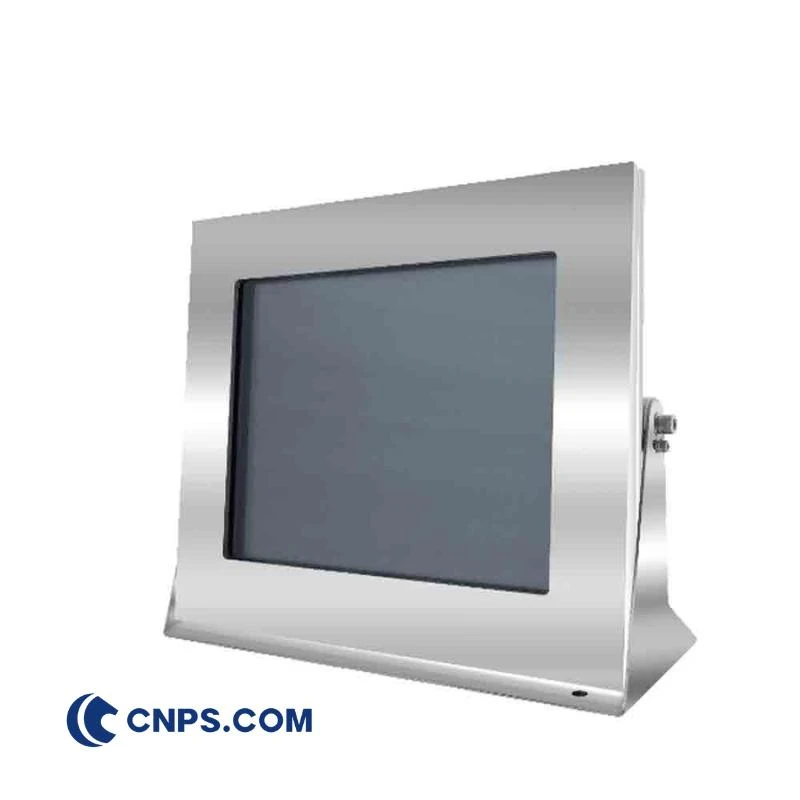

Mud logging has long been an essential part of oil exploration, offering valuable insights into subsurface formations and drilling conditions. Traditionally reliant on manual readings and analogue instruments, mud logging companies are now shifting rapidly toward digital solutions. This digital evolution is transforming the way teams capture, process, and interpret wellsite data—making operations smarter, faster, and safer.
With the integration of computerized mud logging service platforms and sensor-driven systems, geologists and engineers can access real-time subsurface data more efficiently. The result is a more proactive approach to drilling, where potential hazards like gas kicks, formation changes, or mud losses can be identified and mitigated quickly.
What Digital Mud Logging Really Means
At its core, digital mud logging involves the use of advanced sensors and computer systems to track and analyze a broad range of parameters from the drilling site. Tools like mud flow sensors and pit level sensors continuously monitor critical indicators such as flow rates, density, and gas content.
These readings are captured in real time and visualized on interactive dashboards, enabling teams to detect anomalies as they occur. Such digital platforms are not only faster and more accurate than manual data collection—they also reduce human error and improve decision-making under pressure.
Real-Time Data: The Game Changer
One of the biggest advantages of digital mud logging is its real-time capability. Previously, there could be a significant time lag between detecting a formation change and acting on it. Now, data from sensors for drilling mud or hook load sensors is transmitted instantly to onsite and remote monitoring teams.
This immediacy gives drilling operators the edge when it comes to optimizing drilling parameters or averting wellbore instability. In high-risk formations, where time is critical, digital systems can significantly reduce downtime and cost while increasing safety.
Better Collaboration and Remote Monitoring
Digital mud logging isn't just about better tools—it’s also enabling better teamwork. With cloud-based solutions, geolog mud logging teams and offsite engineers can simultaneously access and collaborate on live drilling data. Decisions that once required onsite presence can now be made collaboratively across the globe.
For companies operating in remote or extreme environments, this remote accessibility is invaluable. It allows experts to be involved without needing to be physically present, reducing logistical burdens while maintaining high data integrity.
Enhanced Accuracy with Integrated LWD Systems
The shift toward digital mud logging is further enhanced by integrating with LWD drilling technologies. Combining surface-level digital sensors with LWD sensor equipment and LWD downhole equipment ensures a more complete and consistent view of the wellbore.
Downhole data adds depth and context to surface measurements, improving geological models and reservoir evaluation. This level of integration gives teams a powerful edge in planning, targeting, and adapting their strategies mid-operation.
Future Outlook: Smarter, Leaner, Safer
As mud logging in oil exploration continues to adopt digital tools, the benefits go beyond real-time analysis. Predictive algorithms, machine learning models, and historical data comparison are increasingly being used to forecast well behavior, allowing teams to fine-tune decisions before issues arise.
Digital transformation also introduces cost efficiencies—fewer people needed on-site, reduced manual reporting, and enhanced equipment longevity through early maintenance alerts. These factors collectively push the industry toward a leaner, safer, and more efficient future.
What Exploration Teams Need to Consider
Despite the advantages, digital transformation in mud logging isn’t without its challenges. Data standardization, system integration, and personnel training are all critical factors to get right. Teams need to ensure that their staff are equipped to interpret complex datasets and leverage digital tools effectively.
Moreover, operators must choose platforms that can work seamlessly with existing infrastructure, including API pipes or specialized components like API 15LR GRE tubing or fiberglass casing pipe used in harsh environments.
The Takeaway
Mud logging is no longer a purely manual practice—it’s becoming a digital science. From precision mud logging sensors to cloud-based collaboration and predictive analytics, the digital shift is empowering exploration teams to drill smarter and manage risks more effectively than ever before.
Partner with CNPS for Digital-Ready Mud Logging Tools
CNPS provides cutting-edge technologies that support digital transformation in mud logging—from rugged sensor systems to corrosion-resistant fiberglass pipes for sale. Their integrated solutions enhance real-time monitoring, reduce field uncertainty, and improve drilling outcomes. Discover how CNPS is helping exploration teams operate with precision and confidence. Get in touch with them today to learn more.
About the Author
Lukas Meinhardt is a petroleum engineering consultant with over 12 years of experience in upstream technology development. He specializes in data integration and remote monitoring systems for drilling operations.































Sign in to leave a comment.