
Your building stands strong only when the foundation is safe. One small mistake in the base can lead to serious problems later. That is why engineers use the pile integrity test to check whether foundation piles are solid and free from damage. This method helps you know if the piles placed deep in the ground are strong enough to support the structure above.
Many builders, engineers, and project owners want a quick and clear way to confirm pile quality without digging them out. This testing method gives useful answers in a short time. It helps detect cracks, voids, or weak spots inside piles so problems can be fixed early.
Why Checking Pile Quality Matters
When piles are installed in the ground, most of the structure stays hidden below the surface. You cannot see what is happening inside the concrete after installation.
If a pile has damage, the structure may face problems such as:
- Uneven settlement
- Reduced load support
- Cracks in walls and floors
- Long-term safety risks
Testing helps engineers confirm that each foundation element is in good shape. When problems appear early, repairs cost less and construction stays on track.
How Engineers Check Foundation Piles
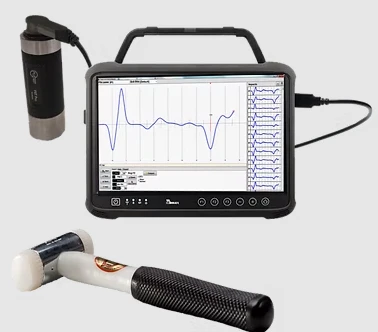
Engineers use a simple method to examine the internal condition of piles. The process involves sending a small impact through the top of the pile and studying how the wave travels through the structure.
Here is a basic step-by-step idea of how it works:
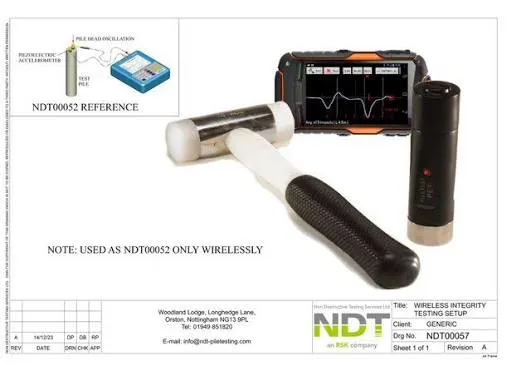
- A sensor is placed on the top of the pile.
- A small hammer lightly taps the pile head.
- The impact creates a wave that travels down the pile.
- The wave reflects back when it meets a change inside the pile.
- A device records the signals and converts them into a graph.
By studying the reflected signals, engineers can tell whether the pile is uniform or if there are defects.
This approach does not damage the structure and can be completed quickly on site.
Understanding the Low Strain Testing Method
One common approach used in construction projects is the low strain pile integrity test. It is called “low strain” because the hammer impact applied to the pile is very small.
The goal is not to load the pile heavily but to send a gentle wave through it.
This technique is popular because:
- It is quick to perform
- It does not harm the pile
- Equipment is portable
- Many piles can be tested in a single day
The recorded signals help engineers see if the wave moves smoothly from top to bottom. If there is a break, soil inclusion, or change in pile diameter, the signal pattern changes.
That change alerts engineers to possible damage.
Signs That a Pile May Have Problems
During testing, engineers study the signal patterns carefully. Certain shapes or reflections may point to issues inside the foundation element.
Common warning signs include:
1. Sudden signal reflections
This may show a crack or reduction in pile width.
2. Early reflections
These often suggest a defect closer to the top section.
3. Weak or unclear signals
This could mean poor concrete quality or soil interference.
4. Irregular wave patterns
These may point to necking or voids inside the structure.
Each signal is reviewed by experienced engineers to confirm whether the pile is acceptable.
When This Test Is Used on Construction Sites

Engineers usually perform these checks after pile installation and before heavy construction continues.
Common situations include:
- Building foundations
- Bridge construction
- High-rise projects
- Industrial structures
- Infrastructure work such as flyovers
Large projects often test many piles to confirm consistent quality across the entire foundation system.
This step adds confidence that the base of the structure will perform as expected.
Benefits of This Testing Method
This type of testing has become common because it offers several practical benefits.
Fast results
Many piles can be checked in one day. Engineers can review results almost immediately.
Non-destructive
The pile remains fully intact. No drilling or cutting is needed.
Cost-effective
Compared with other deep testing methods, this approach requires less time and equipment.
Early defect detection
Problems can be found before construction moves forward, which prevents costly repairs later.
These benefits make the method a regular part of modern foundation quality checks.
Limits You Should Know
Although the method is very useful, it is important to understand its limits.
For example:
- It may not detect very small defects deep in the pile.
- Results can be affected by soil conditions.
- Skilled interpretation is required.
Because of this, engineers sometimes combine it with other testing methods for important projects.
Using multiple checks helps provide a clearer view of foundation quality.
Tips for Accurate Testing Results
If you want reliable results from pile checks, a few simple practices help a lot.
Prepare the pile head properly
The surface should be smooth and clean so sensors work well.
Use proper equipment
Sensors and recording devices must be calibrated.
Test under stable conditions
Strong vibrations nearby can affect readings.
Work with trained engineers
Interpreting signal graphs requires knowledge and experience.
These small steps help produce clear and useful results.
How This Test Helps Your Project
For builders and project owners, this testing method offers peace of mind.
When piles are tested:
- Construction risks drop
- Structural safety improves
- Future repairs become less likely
- Project approval becomes easier
You gain proof that the foundation elements placed underground are performing as expected.
This is especially helpful for large buildings and infrastructure work where safety standards are strict.
Final Thoughts
A strong structure always starts with a strong foundation. The pile integrity test helps you confirm that the hidden support system below your building is sound and reliable. By detecting defects early, this method saves time, prevents costly repairs, and improves construction safety. Many engineering teams also choose trusted testing solutions such as those offered by Piletest to get accurate results and clear data when performing the pile integrity test on site.

























Sign in to leave a comment.