
Preserving Healing Traditions in a Contemporary World
The resurgence of interest in Ayurveda reflects a wider shift toward preventive and holistic health care. In this evolving landscape, the model of a well-structured Kerala Ayurveda Clinic & Panchakarma Centre offers an authentic path back to traditional wellness systems. These centres uphold the original methodologies outlined in classical texts while adapting to the expectations of contemporary patients.
Aayursaukhyaa represents one such example. Rooted in the principles of Kerala-style Ayurveda, it offers therapeutic Panchakarma programs delivered through physician-led, individualized care. The focus is on detoxification, disease management, and rejuvenation, with a structure that prioritizes safety, clinical consistency, and evidence-informed application.
This article examines how centres like Aayursaukhyaa maintain Ayurvedic integrity while integrating with modern health-seeking behavior.
Treatment Philosophy and Clinical Approach
The core of Ayurvedic medicine lies in its emphasis on doshic balance, the interaction of vata, pitta, and kapha and its impact on physiology and disease. A clinic such as Aayursaukhyaa uses this lens to evaluate symptoms, constitution (prakriti), and lifestyle habits before initiating treatment.
Unlike wellness centres offering generalized herbal therapies, a Kerala Ayurveda Clinic & Panchakarma Centre typically follows a three-step structure: assessment, personalized treatment protocol, and post-therapy rehabilitation. Therapies are not marketed as one-size-fits-all solutions; instead, physicians determine the specific modalities, duration, and sequencing of procedures required.
Panchakarma: More Than Detox
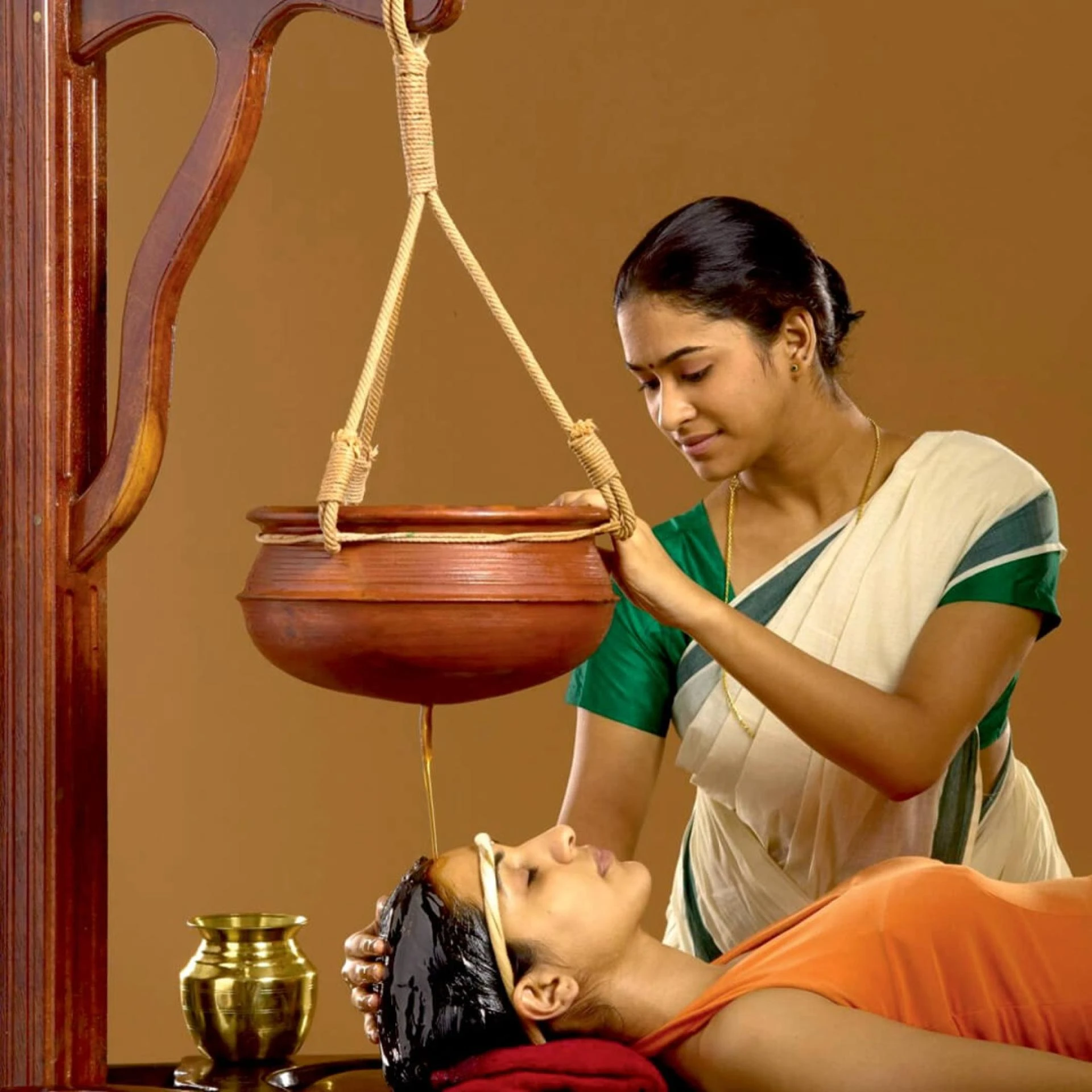
At the heart of the clinical offering is Panchakarma, a five-step internal purification process aimed at eliminating toxins and restoring balance. These include:
- Vamana (therapeutic emesis).
- Virechana (purgation).
- Basti (medicated enema).
- Nasya (nasal therapy).
- Raktamokshana (bloodletting, used under specific conditions).
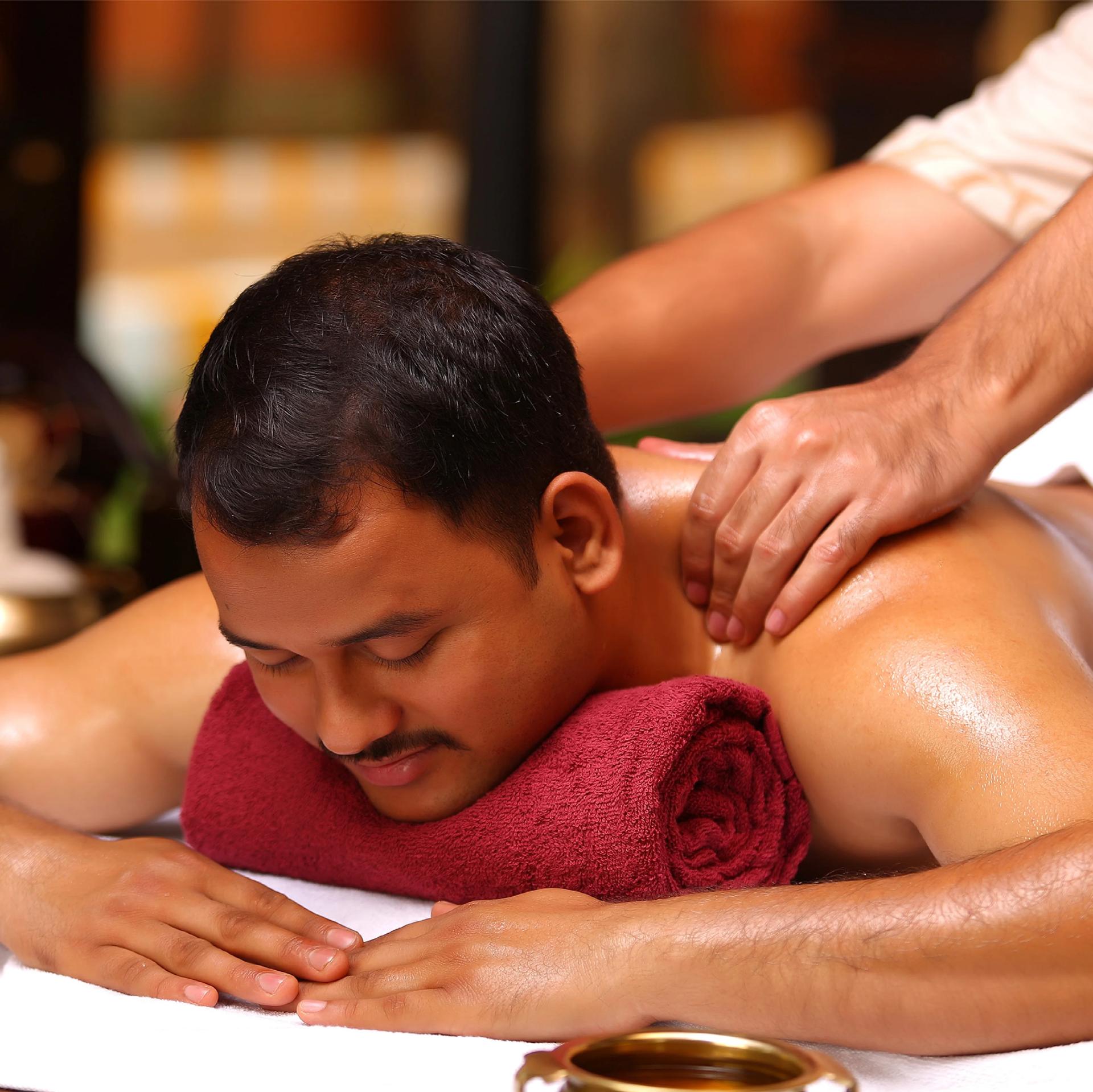
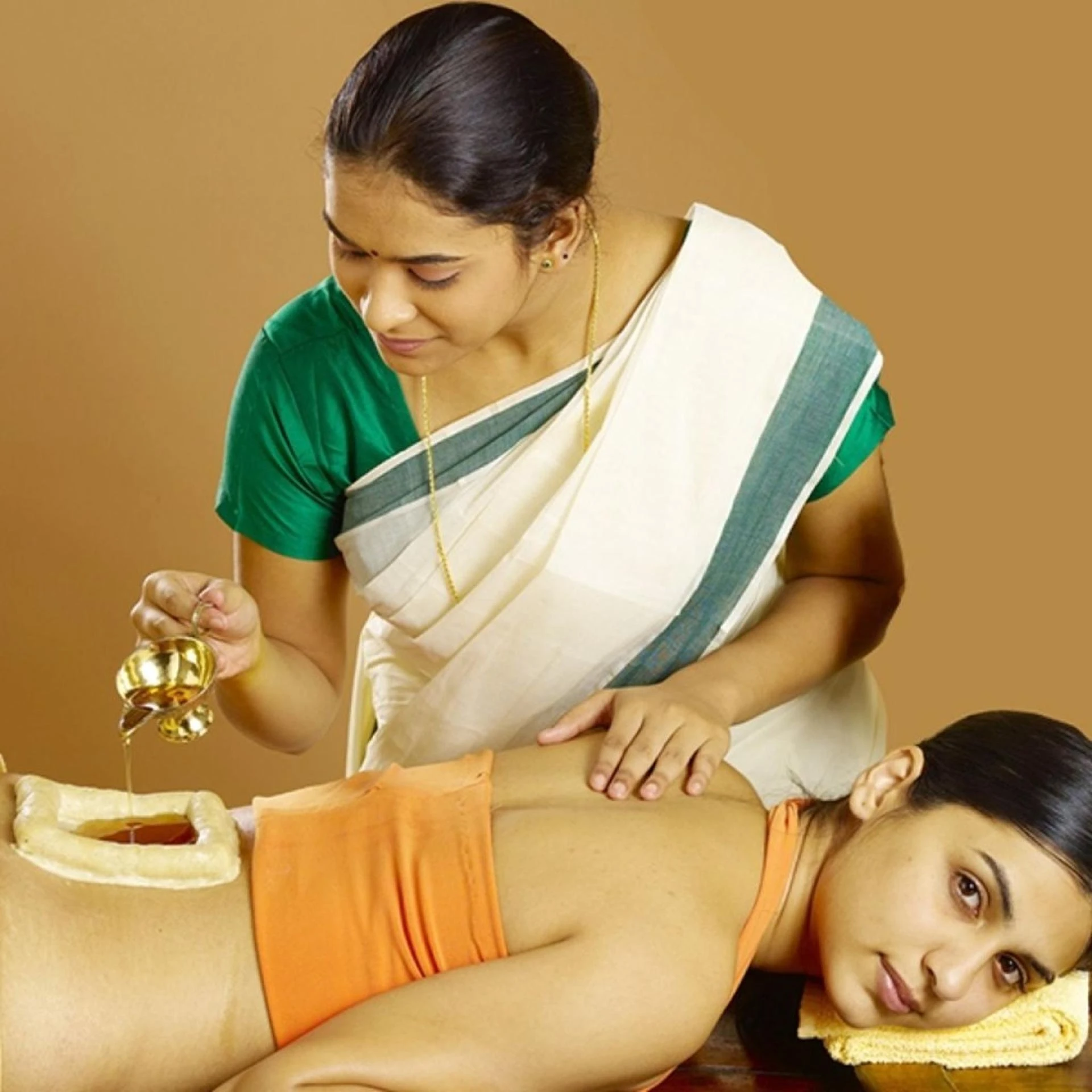
The process begins with preparatory stages such as oleation and sudation, followed by the core procedures and then rehabilitative measures. The depth and intensity of Panchakarma therapies offered at a Kerala Ayurveda Clinic & Panchakarma Centre demand both clinical skill and patient commitment, which makes accurate diagnosis and monitoring essential.
Facilities, Staffing, and Ethics
Aayursaukhyaa is built around the operational integrity of Kerala's classical Ayurvedic framework. Facilities often include traditional Droni therapy tables, medicated steam units, and herbal pharmacies. Treatments are administered by trained Panchakarma therapists under the supervision of BAMS-qualified Ayurvedic doctors.
This clinical format contrasts with commercial spas or alternative therapy centres. Here, treatment is considered therapeutic rather than cosmetic. There is documentation, diagnostic record-keeping, and follow-up aspects that are standard at a well-run Kerala Ayurveda Clinic & Panchakarma Centre, yet often missing elsewhere.
Patient Population and Results
Patients typically seek Ayurvedic care for chronic conditions that have not responded well to conventional interventions. These include autoimmune disorders, skin diseases, digestive issues, and musculoskeletal pain. Others arrive for preventive care, seasonal cleansing, or general rejuvenation.
While outcomes vary based on compliance and condition severity, feedback often points to improved digestion, energy, sleep quality, and symptomatic relief. However, Ayurvedic practitioners are careful to manage expectations, especially for lifestyle-driven or irreversible conditions.
Challenges in Contemporary Practice
Practicing traditional Ayurveda in an urban, digitally connected setting poses multiple challenges. Many patients approach treatment with preconceived notions from the wellness industry. Aligning such expectations with the rigors of Panchakarma, which may include dietary restrictions, rest, and emotional detox requires consistent education and communication.
Furthermore, regulatory oversight, training standardization, and evidence-based integration remain ongoing concerns. Clinics must navigate the space between ancient authority and modern medical accountability.
Bridging Tradition and Modern Wellness Through Ayurveda
Aayursaukhyaa exemplifies the kind of institution capable of sustaining Ayurveda’s core values in the modern age. As a functioning Kerala Ayurveda Clinic & Panchakarma Centre, it combines structured therapeutic processes with diagnostic accuracy, skilled staff, and a commitment to authentic practice.
In a time where preventive health care and chronic disease management are of increasing interest, such centres offer a non-invasive, time-tested, and personalized model of care. While challenges in standardization and evidence integration remain, the foundation of the Kerala Ayurveda approach continues to offer insight into what healthcare might look like when tradition and science are not seen as opposites, but as collaborators
Frequently Asked Questions
1. What distinguishes a Kerala Ayurveda Clinic & Panchakarma Centre from general wellness spas?
The primary difference lies in the medical structure. A Kerala Ayurveda Clinic & Panchakarma Centre follows traditional diagnostic procedures, involves certified Ayurvedic doctors, and offers therapeutic,not cosmetic,interventions.
2. Are Panchakarma therapies appropriate for everyone?
These therapies are personalized. An Ayurvedic doctor assesses the patient’s constitution, condition, and readiness before prescribing any Panchakarma treatment.
3. What conditions are typically treated in such centres?
Common issues include digestive disorders, joint pain, chronic fatigue, skin diseases, and stress-related problems. Preventive care and seasonal cleansing are also offered.
4. Do these centres follow any regulatory framework?
Yes. Qualified practitioners hold BAMS degrees, and centres are often registered with local health authorities. Quality sourcing and documentation practices are encouraged.
5. Is the traditional Kerala model still relevant today?
Yes. The Kerala model is seen as one of the most textually faithful and clinically reliable systems in Ayurveda. Many modern patients value its structured and physician-led approach.























Sign in to leave a comment.