

Starting ABA therapy at a young age can feel like a big step, especially when your child is still a toddler. Parents sometimes wonder whether a two or three-year-old is really ready for structured therapy, or whether the process will be stressful for a child that young. Early ABA for toddlers looks quite different from what most people picture when they think of behavior therapy. It is built around play, natural routines, and the way young children actually learn, not around drills or rigid schedules.
The research on early intervention is consistent: starting ABA therapy during the toddler years, when the brain is developing most rapidly, tends to produce stronger long-term outcomes across communication, behavior, and adaptive skills. That does not mean every child needs to start at age two, but it does explain why developmental pediatricians and autism specialists often recommend beginning as soon as a diagnosis or developmental concern is identified.
What Toddler ABA Programs Actually Target
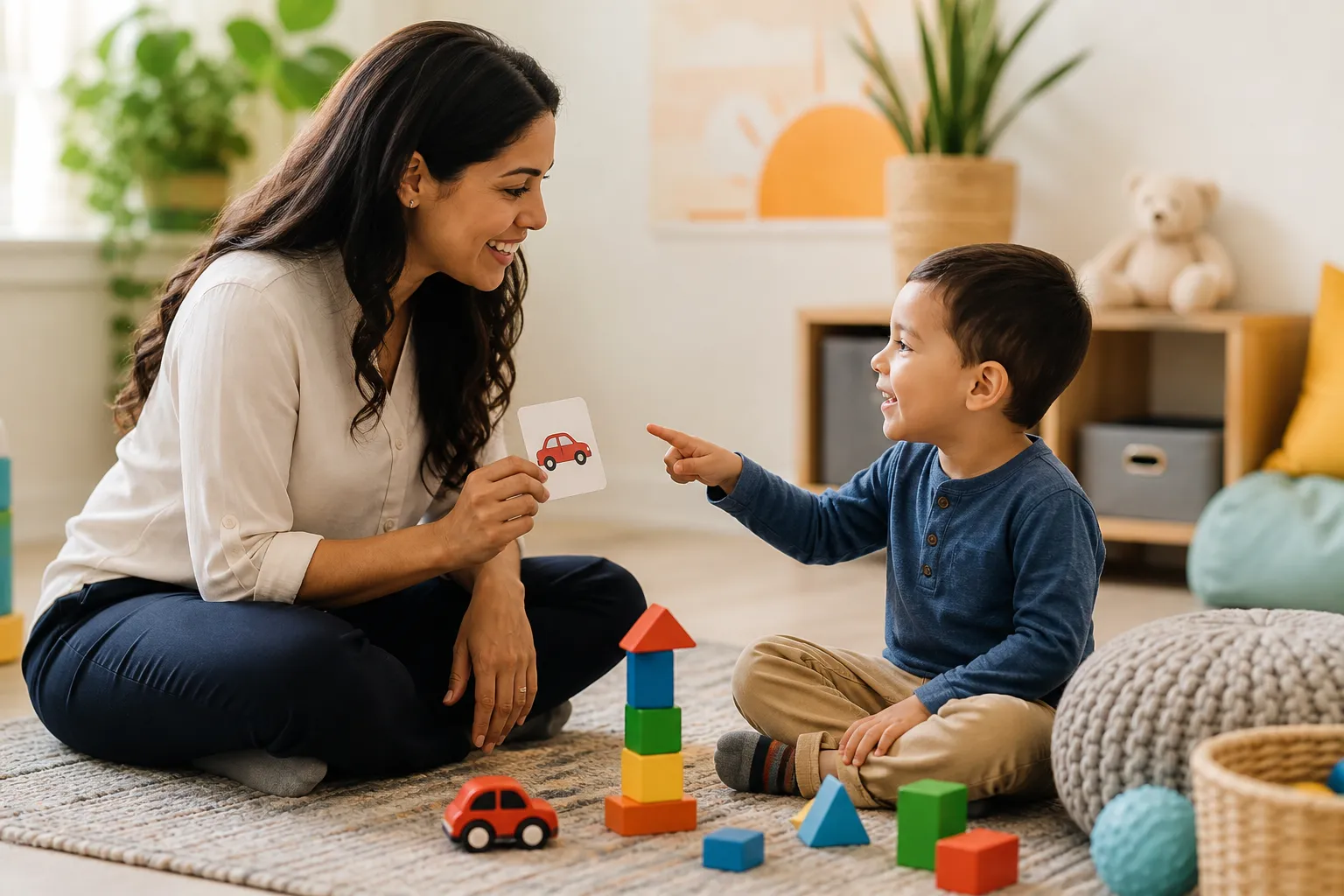
For toddlers, ABA therapy tends to focus on a cluster of foundational skills that set the stage for everything else. Language and communication are usually the most prominent area. That might mean teaching a child to make requests using words, signs, or a communication device. It might mean expanding a child's vocabulary, helping them understand simple directions, or building the back-and-forth quality of conversation, including eye contact, turn-taking, and joint attention.
Joint attention is worth mentioning on its own because it is a skill that underlies so much social and language development. A toddler who is learning to share attention with another person, to look where someone else is pointing, or to reference a caregiver's face for information is developing a capacity that supports learning in almost every other domain. Many early ABA programs prioritize this skill specifically because of how foundational it is.
Imitation is another key target. Young children learn enormous amounts by watching and copying others. Teaching a toddler to imitate actions, sounds, and eventually words accelerates learning across the board. Therapists often use play-based imitation activities because toddlers are more motivated to copy things that are interesting and fun.
Beyond communication, early programs often address play skills directly. Learning to play, including functional play with toys and simple pretend play, is developmentally significant and also creates natural opportunities for social interaction. ABA therapists working with toddlers build play skills deliberately, teaching children how to engage with toys in ways that are appropriate and that open doors for interaction with peers and family members.
How Sessions Are Structured for Young Children
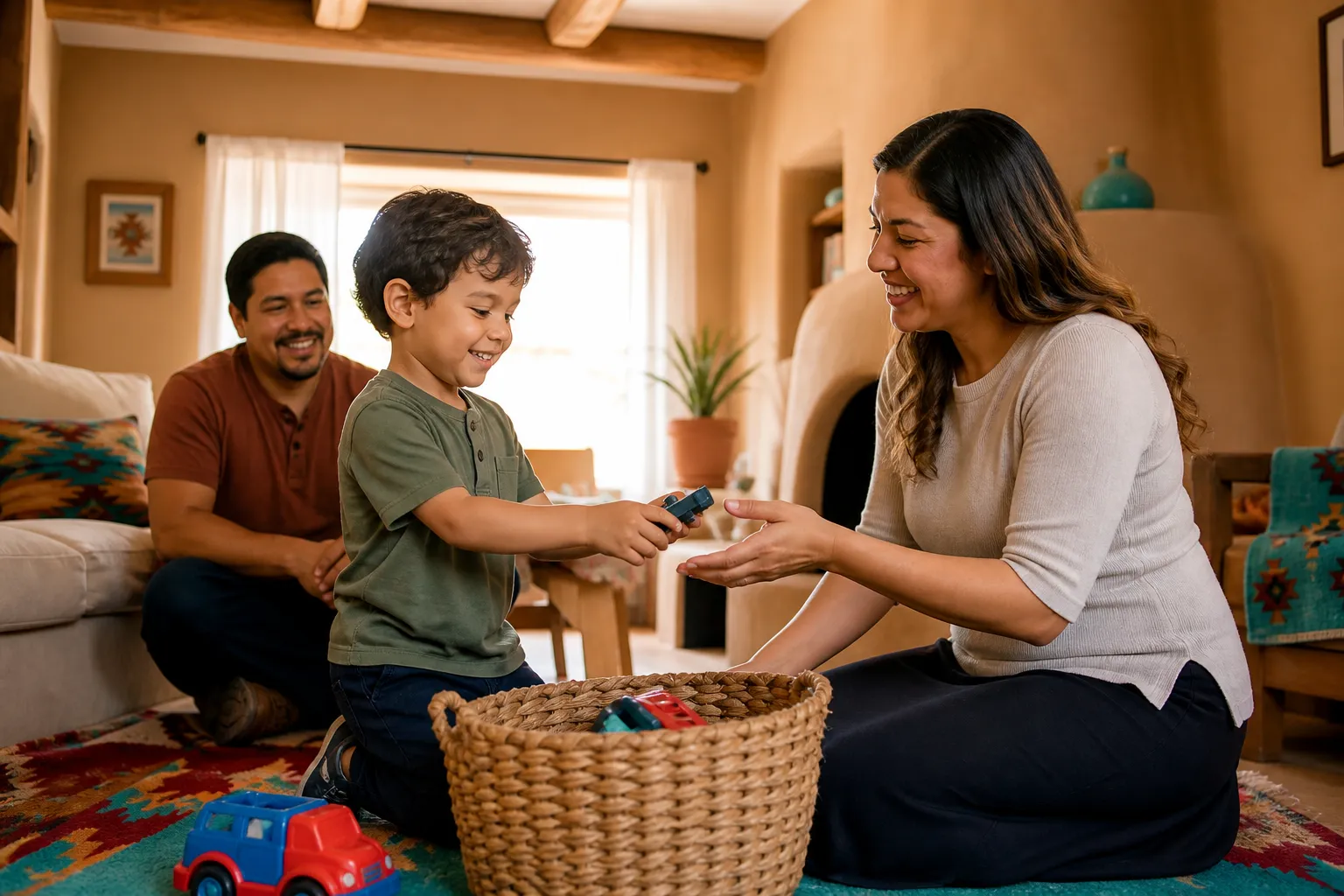
Toddler ABA sessions look much more like supervised play than formal therapy. Families across Maryland who explore in-home aba therapy maryland for their toddlers often find that the therapist spends most of the session on the floor, following the child's lead, using preferred toys and activities as the context for teaching.
This approach is intentional. Naturalistic teaching methods, sometimes called incidental teaching or natural environment training, use the child's own interests and motivation to create learning opportunities. If a child loves trains, the therapist uses trains to practice requesting, labeling, taking turns, and following directions. The child gets to do something they enjoy. The therapist gets hundreds of opportunities to teach and reinforce target skills.
Sessions for toddlers are also typically shorter than sessions for older children. A two-year-old has limited stamina for structured activity, and ABA programs are designed to account for that. As children grow and build tolerance, session length usually increases, but for young toddlers, shorter and more frequent sessions are often more effective than long blocks.
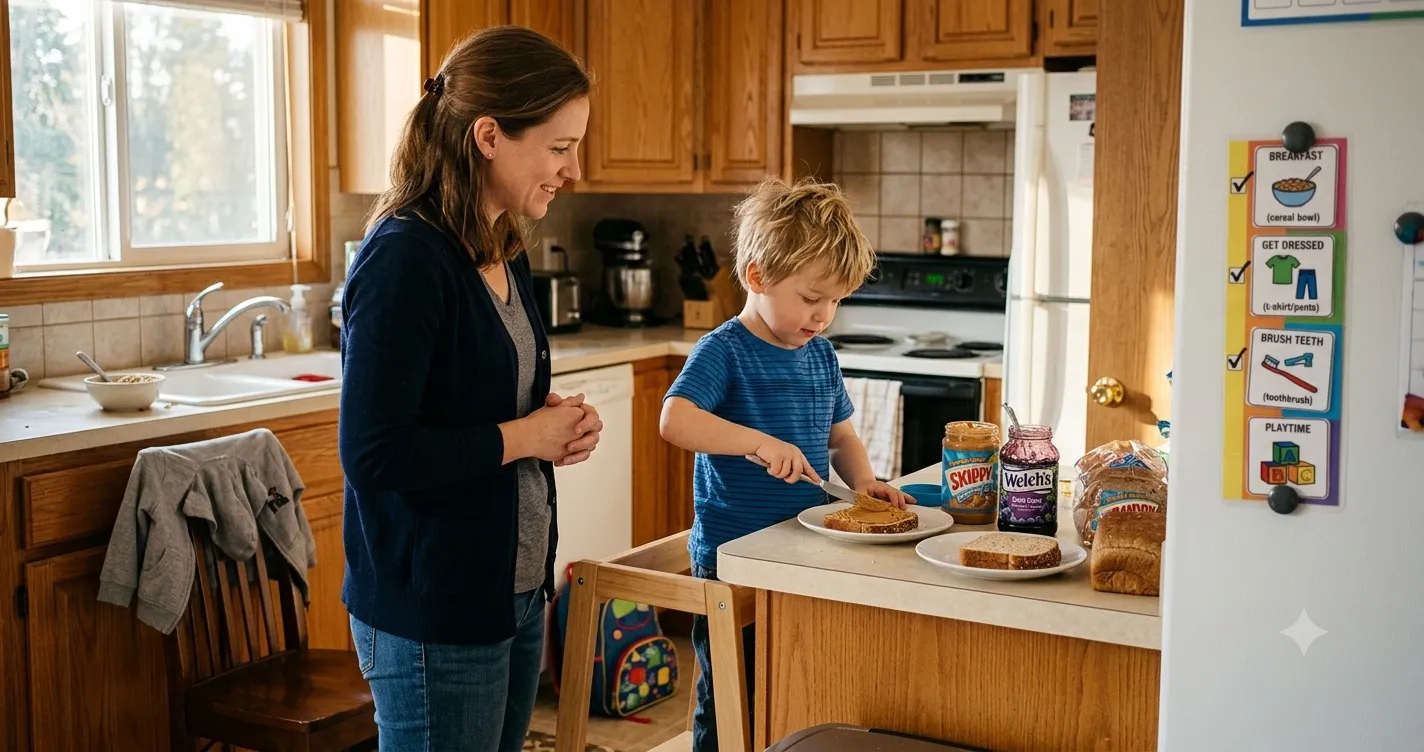
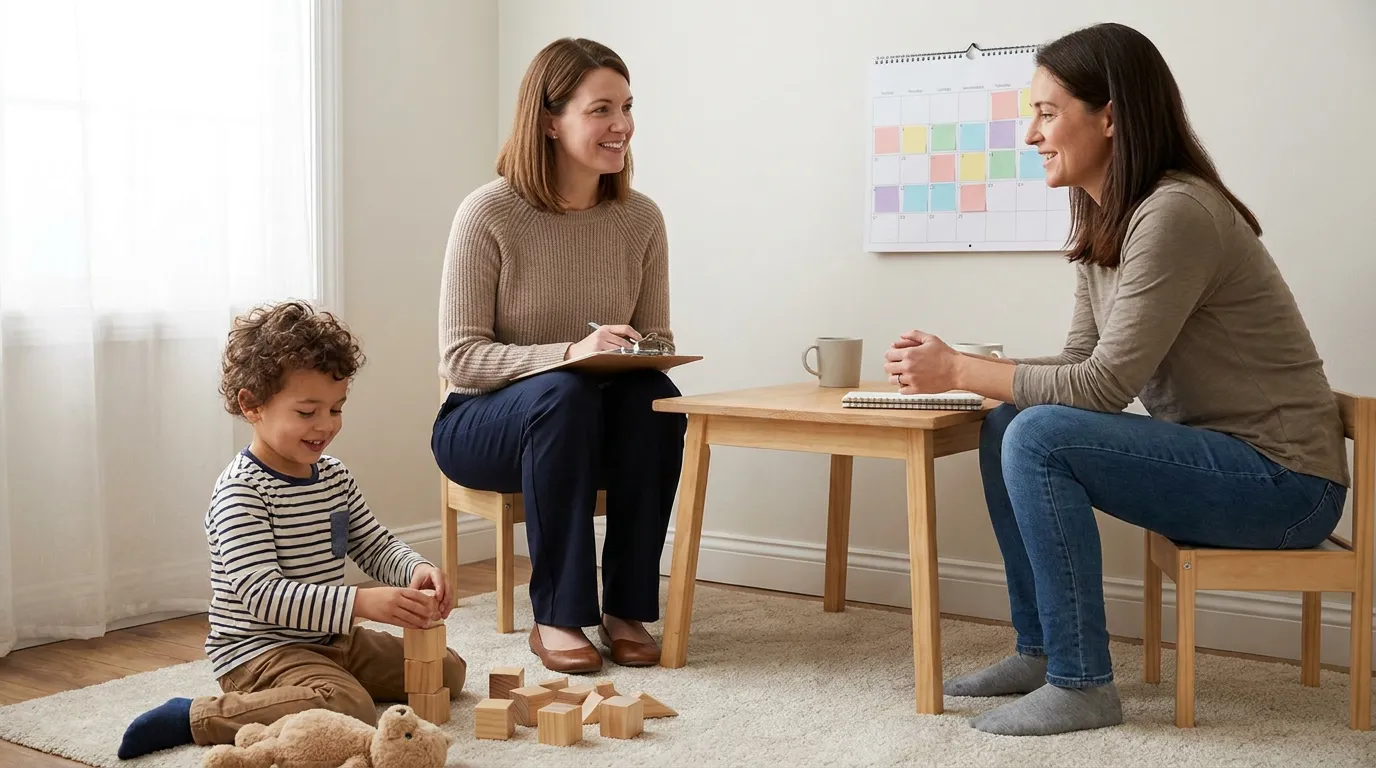
Parents are heavily involved in toddler programs. The therapist works with the parent or caregiver directly during or after sessions to show them how to carry skills into daily routines. Bath time, mealtimes, getting dressed, and car rides all become teaching opportunities when parents know what to look for and how to respond.
The earlier a child starts, the more opportunity they have to build the foundational skills that support learning across their entire childhood. Early ABA for toddlers in Maryland is designed to meet children exactly where they are and build from there.


























Sign in to leave a comment.