

Social development is one of the areas families most frequently hope ABA therapy will address. For children with autism, connecting with peers, navigating group settings, and understanding the unwritten rules of social interaction can be genuinely challenging. Applied behavior analysis offers a structured, evidence-based approach to building the social skills that support meaningful relationships and community participation, and providers in North Carolina are doing this work every day.
Breaking Social Skills Into Teachable Components
One of the core strengths of ABA is its ability to take complex behaviors and break them into smaller, teachable steps. Social skills are no exception. What looks like a simple conversation to a neurotypical adult involves dozens of micro-behaviors: making eye contact, facing the other person, waiting for a pause before speaking, interpreting tone of voice, and adjusting topics based on the listener's interest. For children who have not acquired these skills naturally, each component can be explicitly taught and practiced.
ABA programs in North Carolina typically address social skills through a combination of discrete skill teaching and naturalistic practice. Discrete teaching might involve a therapist and child practicing how to greet someone or how to ask a friend to play. Naturalistic practice embeds those same skills into real interactions, whether with a sibling at home, a neighbor in the yard, or a peer during a playdate. The goal is always for the skill to work in the real world, not just in a session.
Goal selection in this area should be individualized. A child who is non-speaking has different social goals than a child who speaks fluently but struggles with reciprocity. Age-appropriate expectations also matter: a three-year-old's social goals look very different from a ten-year-old's, and a skilled BCBA accounts for developmental context when designing a program.
Moving from Isolated Skills to Real-World Connection
The measure of success in social skill development is not performance in a therapy session. It is whether the child can initiate a game with a neighbor, participate in a birthday party, or sustain a conversation with a classmate. This transfer from structured practice to natural settings requires intentional generalization planning built into the program from the beginning.
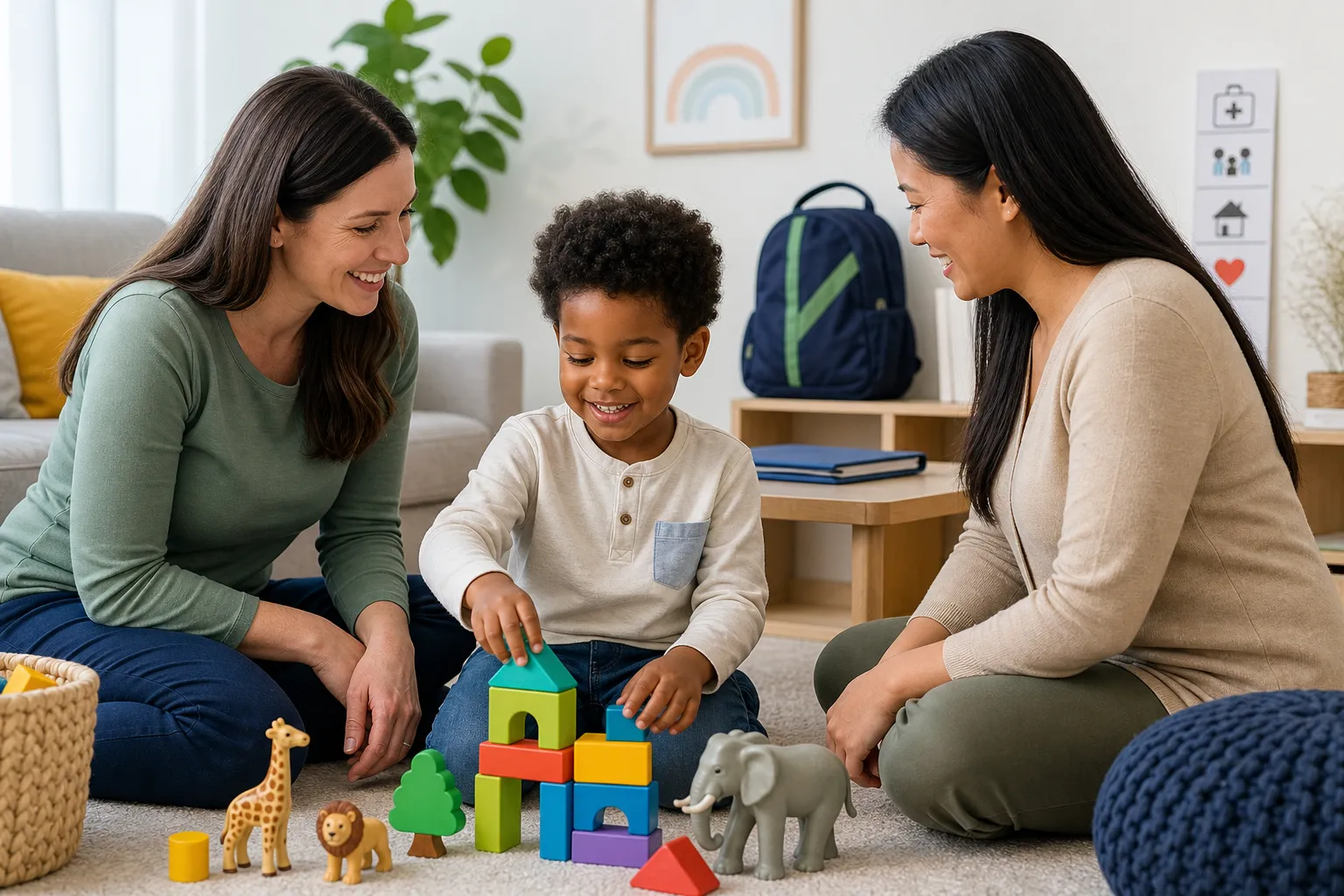
In-home ABA programs are particularly well positioned to support social development because real interactions are already present in the home environment. Siblings, extended family members, and neighborhood children can all become natural practice partners with the right guidance from a BCBA. Rather than practicing social scripts in an artificial setting, the child has opportunities to apply emerging skills in actual relationships that matter to them.
Families who explore aba for children in north carolina will find that strong programs integrate social goals into the broader treatment plan from the start, rather than treating social skills as a separate module added after other priorities are addressed. Communication, play, and social behavior are deeply interconnected, and progress in one area tends to support growth in the others.
Parent Involvement in Social Skill Development
Parents and caregivers play a powerful role in supporting social development between therapy sessions. When a BCBA shares the strategies being used in sessions, caregivers can create opportunities at home that reinforce the same skills. Setting up structured play with a neighborhood child, coaching a child through a sharing moment rather than resolving it for them, and narrating social situations as they unfold are all ways families extend the impact of therapy into everyday life.
Teachers and school staff are important partners in this process as well. When home and school teams are working toward consistent goals, children have more practice opportunities and more people reinforcing their progress. This kind of coordination across environments is a hallmark of quality ABA programming in North Carolina.






























Sign in to leave a comment.