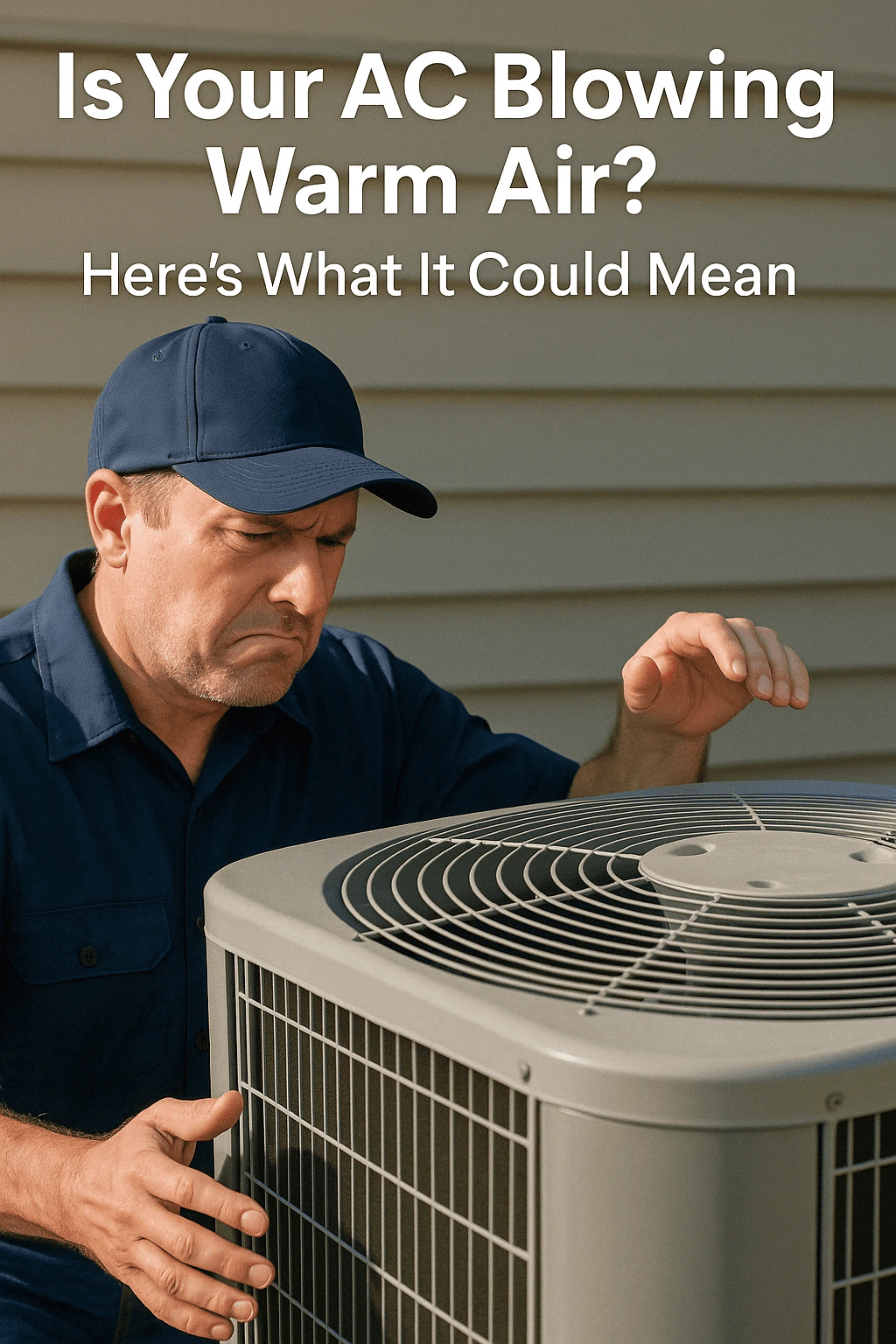

When your air conditioner suddenly stops cooling in the middle of a hot day, emergency ac repair may be the only solution to get your home back to a livable temperature. Warm air from the vents, an unresponsive outdoor unit, or total system silence can turn into a real emergency—especially during extreme summer heat.
“When an air conditioner starts blowing warm air, it’s rarely just one thing,” said a technician from Slidell AC Repair. “We look at the whole system—from refrigerant levels and compressor performance to thermostat accuracy and airflow through the ductwork. That full inspection helps us find the real cause and make sure our customers stay cool all summer long.”
Not all AC problems require emergency service—but some clearly do. If your system suddenly shuts down or starts blowing hot air when the outside temperature is dangerously high, time matters. Homes can heat up quickly, and the risk of overheating—especially for babies, elderly people, and pets—rises with every hour.
The most common emergency scenario involves a failed outdoor unit. If the condenser stops working due to a blown capacitor, tripped breaker, or burnt contactor, your indoor unit may keep blowing air—but it won’t be cooled. In these cases, calling a technician immediately is the fastest way to restore cooling and prevent further damage.
Another urgent issue is refrigerant loss. If there’s a leak in your system, the refrigerant pressure can drop too low to support the cooling cycle. That leads to longer run times, warm air, and in some cases, compressor failure. You may even hear a faint hissing near the unit or see frost on the lines. A fast response can help seal the leak and save your system.
Compressor problems also fall into the emergency category. If the compressor fails, your system won’t be able to circulate refrigerant—shutting down cooling entirely. Clicking noises, overheating, or system short cycling can be warning signs. Because compressors are expensive to replace, early inspection is critical.
Another common emergency involves a frozen evaporator coil. This can be caused by restricted airflow (usually from a clogged air filter), low refrigerant, or even a malfunctioning blower. A frozen coil stops the system from absorbing heat, and once it thaws, it can overflow the condensate drain pan and cause water damage. Emergency service may be needed to prevent indoor flooding or ceiling leaks.
Even thermostat issues can be urgent. If your thermostat fails completely, the system may stop responding. If it malfunctions, it might start the fan but not trigger cooling. In smart thermostats, Wi-Fi disconnections, battery issues, or firmware bugs can cause unexpected system failures that mimic larger problems.
In some cases, the ductwork itself is to blame. A disconnected or collapsed duct can cause one or more rooms to heat up rapidly, while the rest of the house seems fine. If temperatures rise unevenly and airflow seems weak or absent in part of your home, a technician may need to inspect and repair the duct system immediately.
When you call for emergency AC repair, technicians come equipped to diagnose and resolve issues quickly. They carry essential parts—like capacitors, relays, fuses, and refrigerant—so they can often get your system cooling again on the first visit. If a temporary fix is needed before a full repair, they can also stabilize your system until parts arrive.
An emergency service visit will typically include:
- Testing and resetting breakers and capacitors
- Checking refrigerant pressure and scanning for leaks
- Diagnosing compressor and fan motor performance
- Inspecting thermostat function and recalibrating settings
- Examining filters, coils, and drainage to rule out airflow issues
Acting quickly isn’t just about comfort—it’s also about preventing long-term damage. When a cooling system is allowed to run in a compromised state, components like the compressor, motor, and control board can overheat or fail entirely. Delaying the call may lead to more expensive repairs or even full system replacement.
That said, many AC emergencies can be prevented with seasonal maintenance. During a routine tune-up, HVAC technicians clean the coils, replace or inspect filters, test electrical components, and check refrigerant levels. These simple actions can extend the life of your unit and catch early signs of trouble before they turn into a breakdown.
Still, some things can’t be predicted. Power surges, sudden part failure, or extreme outdoor temperatures can trigger system failure without warning. That’s why knowing a trusted emergency repair provider is key. Response time, availability, and professionalism can make all the difference in a high-stress moment.
If your system is 12–15 years old or more and you’ve had several breakdowns, it may be time to consider upgrading. New air conditioners are more efficient, quieter, and far less prone to the types of failures that trigger emergency calls. They also offer smart features that improve temperature control and system health tracking.
Even so, most emergency repairs don’t mean you need a new system. With the right help, many issues can be fixed within hours. Whether it’s a minor electrical failure or a refrigerant top-off, the key is acting quickly before the problem gets worse.






















Sign in to leave a comment.