

Struggling to swallow even a simple bit of food? You might be suffering from achalasia cardia, a rare disorder of the esophagus. For patients living with the condition, having every meal is a daily challenge as it becomes difficult for solids and liquids to pass through the stomach.
Unfortunately, there is no permanent cure for achalasia. The condition can be managed with effective achalasia cardio treatment, where dietary precautions play a crucial part.
In this blog, we have listed the foods that you must include in your diet and the ones that you should avoid to help relieve the symptoms and support your overall treatment journey.
What is Achalasia Cardia?
Achalasia cardia is a chronic disorder of the esophagus (a muscular tube that connects the mouth, specifically the pharynx, to the stomach). It is a condition where the myenteric nerve plexus of the esophageal wall deteriorates, thereby gradually losing its ability to function properly.
As a result, foods and liquids fail to move efficiently into the stomach and instead accumulate in the esophagus, leading to various complications over time.
Key Symptoms of Achalasia Cardia
Patients with achalasia cardia experience the following symptoms that gradually worsen.
- Difficulty swallowing food (dysphagia)
- Regurgitation of undigested food
- Chest pain (atypical finding)
- Heartburn
- Aspiration/aspiration pneumonia
- Unintentional weight loss
Early recognition and addressing of these signs are necessary for improving patients’ comfort and overall quality of life.
Living with Achalasia Cardia: Essential Dietary Precautions
The primary goal of taking dietary precautions for patients with achalasia cardia is to reduce the effort required to swallow food and prevent it from getting stuck in the esophagus.
Here are the kinds of items you can include in your diet.
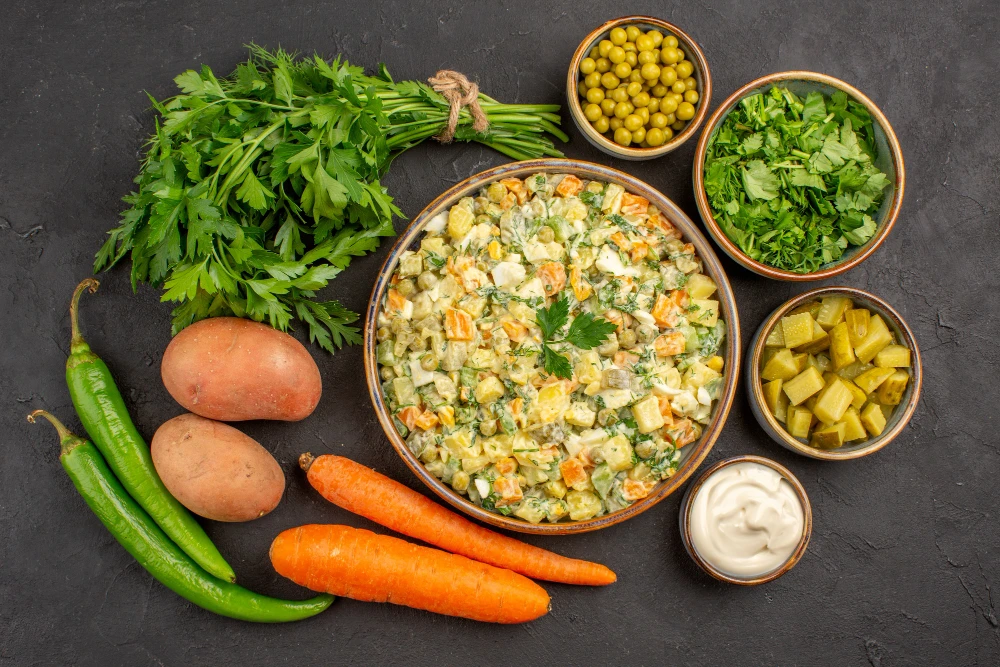
1. Soft-cooked vegetables
Steamed or boiled foods like mashed potatoes, carrots, spinach, and pumpkin are not only easy to swallow and digest but also packed with a lot of nutrients.
2. Smooth grains
Oatmeal, porridge and suji are good options for patients with esophageal disorders. They are often recommended to reduce esophageal irritation and promote faster healing for individuals undergoing achalasia cardia treatment.
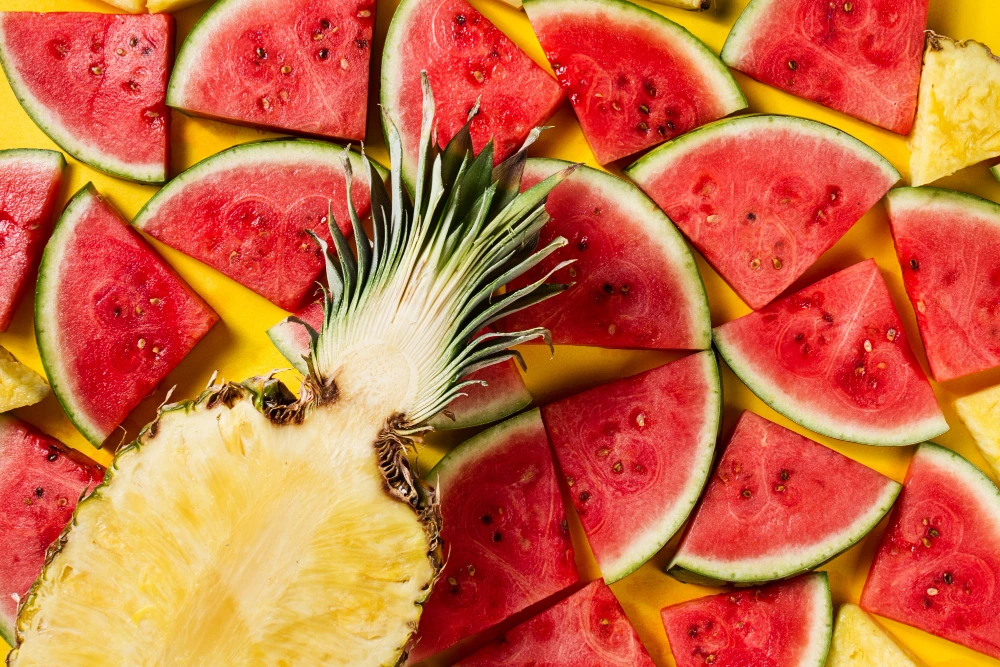
3. Ripened fruits
You can try out options like bananas, peaches, kiwis, watermelons and pineapples to meet nutritional needs without being harsh on the esophageal lining.
4. Soups and purees
Vegetable broths and soups are soothing and easier to swallow than solid foods.

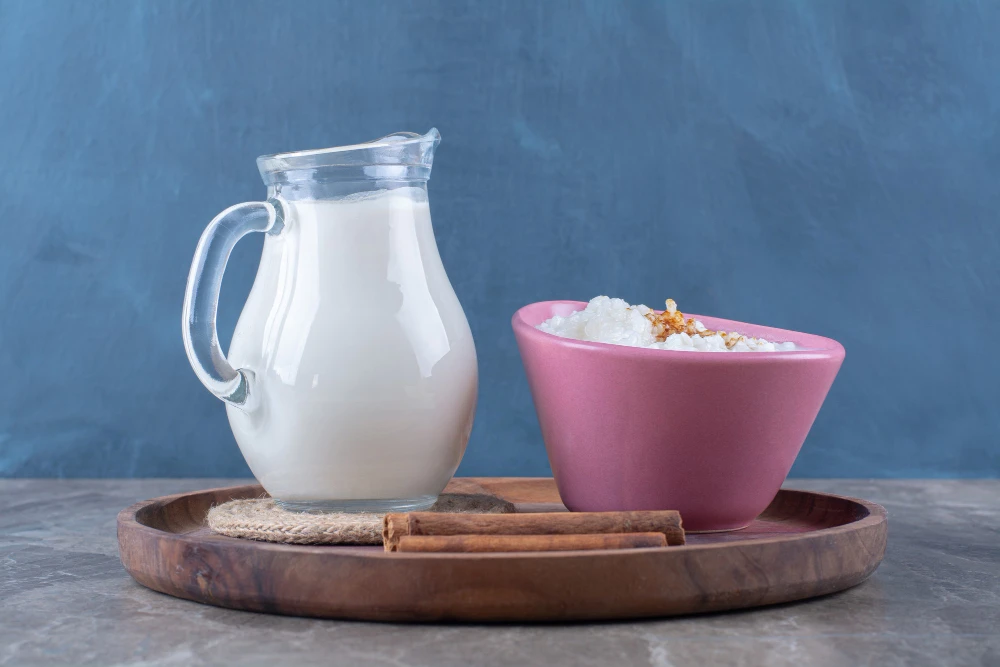
5. Dairy products
Yoghurt, curd and milk have a soft texture and offer good nutrition to patients with achalasia cardia.
Now, we come to the foods that you must avoid, as they can make swallowing more difficult, thereby making the condition worse.
- Dry and hard foods
Hard, dry and crunchy items like chips, crackers, raw vegetables and nuts have a possibility of getting stuck in the esophagus.
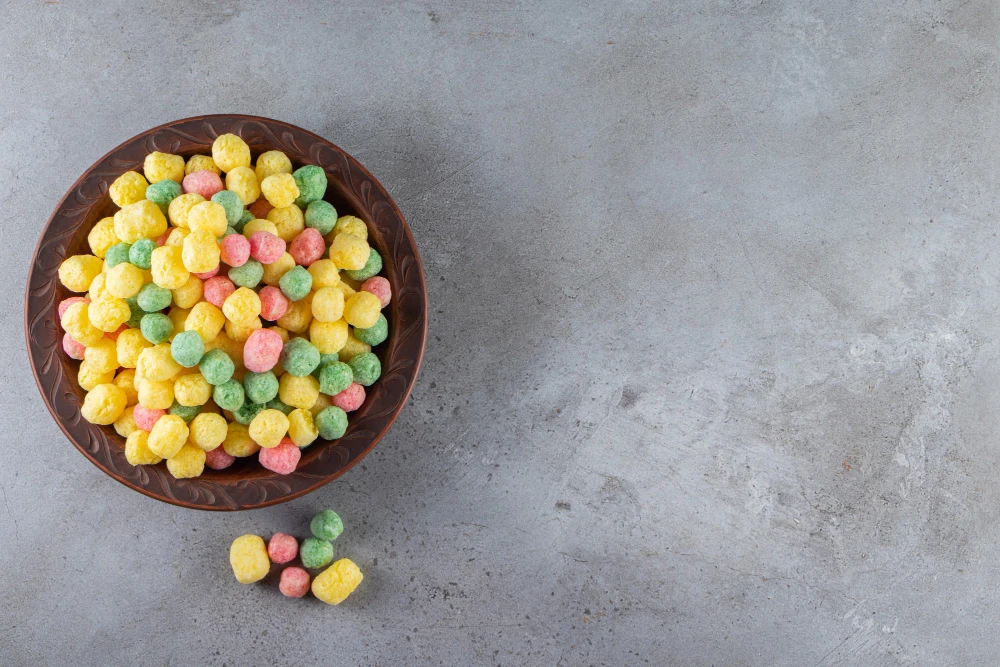
2. Sticky foods
Peanut butter, chewy candies and dried fruits tend to stick to the esophageal lining, leading to discomfort and choking.
3 . Alcohol and carbonated beverages
Alcohol, caffeine and carbonated drinks like soft drinks and even some tea not only contribute to bloating but also cause irritation in the esophageal lining.
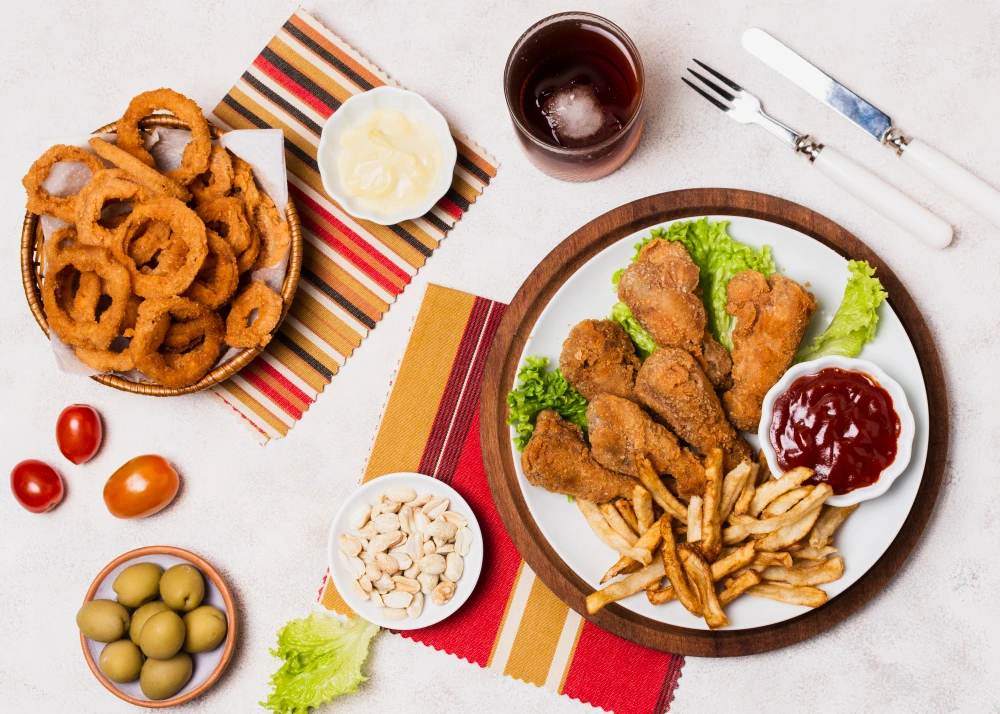
4. Fatty and fried items
Foods high in fats, such as rich gravies, snacks and greasy items, are difficult to digest and give rise to symptoms like acid reflux and regurgitation.
5. Excessively hot or too cold foods
Frequent consumption of too hot or too cold solids and liquids triggers discomfort and pain in patients with achalasia cardia.
Eating Recommendations for Achalasia Cardia Patients
Beyond nutrition, how you eat also matters in managing the symptoms of achalasia cardia. Making small changes in your eating habits can help the food pass into the stomach easily.
- Take small bites and chew thoroughly.
- Eat smaller and more frequent meals.
- Avoid lying down immediately after eating.
- Sit upright when eating.
- Stay hydrated.
- Take the prescribed medicines as instructed.
- Have adequate rest.
Conclusion
Managing achalasia cardia involves multiple approaches like proper medical care, adequate nutrition and patience. So, if you are having problems with swallowing food and liquids, consult an expert healthcare provider for achalasia cardia treatment and expert guidance on dietary choices.


































Sign in to leave a comment.